
Contents
- 🚢 The Clyde's Shipbuilding Legacy: A Global Powerhouse
- 📍 Where to Experience Clyde Shipbuilding Heritage
- 🛠️ Key Shipyards and Their Enduring Impact
- ⚓ What to See: Iconic Vessels and Artifacts
- 💡 Understanding the Engineering Marvels
- 💰 Economic Echoes: From Boom to Bust
- 🌟 The Human Element: Workers and Communities
- 🤔 Debates and Controversies Surrounding the Clyde
- 🚀 The Future of Clyde's Maritime Identity
- 🗺️ Planning Your Visit: Practical Tips
- Frequently Asked Questions
- Related Topics
Overview
The River Clyde was once the undisputed global epicenter of shipbuilding, a powerhouse that churned out over 25% of the world's tonnage at its peak. From the late 19th century through the mid-20th, yards like John Brown & Company, Harland and Wolff (Govan), and Lithgows launched an astonishing array of vessels, from majestic liners like the Queen Mary and Queen Elizabeth to vital warships that shaped global conflicts. This industrial behemoth not only defined Glasgow's identity but also fueled the British Empire's maritime dominance, leaving an indelible mark on engineering, labor history, and the very fabric of the city. While the industry's zenith has passed, its legacy continues to resonate, a powerful reminder of a bygone era of unparalleled industrial might.
🚢 The Clyde's Shipbuilding Legacy: A Global Powerhouse
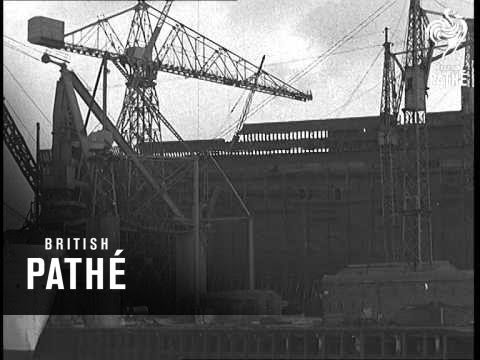
The River Clyde, once the undisputed heart of global shipbuilding, forged a legacy that reshaped maritime history. From the mid-19th century through the mid-20th, its shipyards churned out an astonishing number of vessels, from mighty ocean liners like the Cunard Queens to crucial warships for two World Wars. This industrial titan wasn't just about steel and rivets; it was a crucible of innovation, a driver of economic prosperity, and the lifeblood of countless communities along its banks. The sheer scale of production, peaking in the early 20th century, saw the Clyde consistently rank among the world's top shipbuilding centers, a testament to its engineering prowess and relentless output.
📍 Where to Experience Clyde Shipbuilding Heritage
While active large-scale shipbuilding has largely ceased, the spirit of the Clyde's maritime past is palpable across Glasgow and its surrounding areas. Key sites for experiencing this heritage include the Riverside Museum, which boasts an impressive collection of maritime artifacts and the iconic Tall Ship Glenlee. Further afield, the Scottish Maritime Museum in Dumbarton offers deeper dives into the industry's technical evolution and the lives of its workers. Walking along the Clyde's banks, particularly in areas like Govan and Partick, still reveals remnants of former yards, offering a tangible connection to this industrial epic.
🛠️ Key Shipyards and Their Enduring Impact
The Clyde was home to legendary shipbuilders whose names are synonymous with maritime excellence. Companies like John Brown & Co. of Clydebank, responsible for the Queen Mary and Queen Elizabeth, and Harland and Wolff (which had a significant Govan presence) were giants in the field. Other notable yards included Fairfield Shipbuilding and Charles Connell & Co., each contributing unique innovations and a vast number of vessels. The competition and collaboration between these yards fueled a rapid pace of technological advancement, setting global standards for shipbuilding.
⚓ What to See: Iconic Vessels and Artifacts
Visitors can still encounter the tangible legacy of Clyde shipbuilding through preserved vessels and historical sites. The aforementioned Tall Ship Glenlee at the Riverside Museum is a fully restored Clyde-built sailing ship, offering an immersive experience of life at sea. The Govan Old Parish Church houses ancient artifacts, including Viking-era stones, hinting at the area's long maritime connection predating industrial shipbuilding. Exploring these sites provides a direct link to the craftsmanship and scale of the ships that once dominated the world's oceans, reminding us of the sheer ambition of the era.
💡 Understanding the Engineering Marvels
The engineering feats achieved on the Clyde were nothing short of remarkable. Shipbuilders here pioneered techniques in hull design, engine development, and manufacturing processes. The introduction of advanced welding techniques and the construction of increasingly larger and more complex vessels, like the massive oil tankers and passenger liners, pushed the boundaries of what was thought possible. Understanding the physics of buoyancy, the metallurgy of steel, and the mechanics of steam and later diesel engines is crucial to appreciating the technical genius that defined Clyde shipbuilding and its lasting influence on naval architecture and industrial engineering.
💰 Economic Echoes: From Boom to Bust
The economic impact of Clyde shipbuilding was immense, shaping Glasgow and the surrounding region for over a century. At its peak, the industry provided employment for tens of thousands, creating a ripple effect through related industries like steel production, engineering, and transport. However, this dominance was not without its vulnerabilities. The post-World War II era saw a decline due to increased international competition, changing shipping technologies, and economic downturns, leading to the closure of many iconic yards. The transition from a shipbuilding powerhouse to a post-industrial economy remains a significant economic narrative for the region, with ongoing efforts to repurpose former industrial sites and foster new industries.
🌟 The Human Element: Workers and Communities
The story of Clyde shipbuilding is inseparable from the lives of the thousands of men and women who worked in its yards. From skilled engineers and platers to riveters and apprentices, these individuals formed a proud and often militant workforce. Their communities were built around the rhythm of the shipyards, fostering a strong sense of identity and solidarity. The Clyde Workers' Strike of 1919 and other labor disputes highlight the power and struggles of this workforce. Understanding their contributions is essential to grasping the full human dimension of this industrial saga.
🤔 Debates and Controversies Surrounding the Clyde
The legacy of Clyde shipbuilding is not without its controversies and ongoing debates. A key point of contention is the narrative surrounding its decline: was it inevitable due to global economic shifts, or were there missed opportunities for adaptation and diversification? The environmental impact of heavy industry on the Clyde River itself is another area of historical and ongoing discussion. Furthermore, there's a persistent debate about how best to preserve and interpret this industrial heritage, balancing the romanticism of the past with the realities of modern economic development and the need for new industries to thrive in the region.
🚀 The Future of Clyde's Maritime Identity
The future of the Clyde's maritime identity is evolving. While large-scale shipbuilding is a chapter largely closed, the region is exploring new avenues. This includes a focus on marine engineering, offshore renewable energy technologies, and maritime tourism centered around its rich history. The Greenock Ocean Terminal is seeing increased cruise ship activity, linking the Clyde to global maritime routes once more, albeit in a different capacity. The challenge lies in leveraging the existing infrastructure and skilled workforce for new, sustainable maritime ventures, ensuring the Clyde remains a significant name in the maritime world, albeit through different means than its storied past.
🗺️ Planning Your Visit: Practical Tips
Planning a visit to explore the River Clyde's shipbuilding heritage is straightforward. Start in Glasgow at the Riverside Museum for an excellent overview. Consider a day trip to Dumbarton to visit the Scottish Maritime Museum. For those interested in the social history, exploring areas like Govan and Partick on foot can be very rewarding, though signage for former yards may be minimal. Public transport, including trains and buses, connects these key locations effectively. Check opening times and any admission fees for museums in advance, especially during off-peak seasons. Comfortable walking shoes are a must for exploring the riverbanks and museum sites.
Key Facts
- Year
- 1840s - 1970s (Peak)
- Origin
- Glasgow, Scotland
- Category
- Industrial History
- Type
- Historical Industry
Frequently Asked Questions
When was the peak of River Clyde shipbuilding?
The peak of River Clyde shipbuilding occurred in the early 20th century, particularly in the years leading up to World War I and again in the interwar period. For instance, in 1913, Clyde shipyards launched over 500,000 gross tons of shipping, a staggering figure that placed it at the forefront of global production. This era saw the construction of some of the most famous liners and warships of the time, cementing the Clyde's reputation as a shipbuilding titan.
What famous ships were built on the River Clyde?
Numerous iconic ships were built on the Clyde. These include the legendary Cunard liners RMS Queen Mary and RMS Queen Elizabeth, built by John Brown & Company. Other notable vessels include the HMS Hood, a battlecruiser for the Royal Navy, and a vast array of merchant ships, tankers, and smaller vessels that served across the globe. The sheer diversity and scale of these constructions highlight the industry's versatility.
Are there still active shipyards on the River Clyde?
While large-scale shipbuilding operations have largely ceased, there are still some marine engineering and repair facilities operating on the Clyde, though not on the same monumental scale as in the past. Companies like Ferguson Marine Engineering continue to operate, focusing on specialized vessels and ferries. The focus has shifted from mass production of large ocean-going vessels to more niche maritime services and engineering.
What is the best way to learn about Clyde shipbuilding history?
The best way to learn about Clyde shipbuilding history is through a combination of visiting key sites and engaging with historical resources. The Riverside Museum and the Scottish Maritime Museum are essential starting points. Reading books by maritime historians who specialize in the Clyde, such as Correlli Barnett or John McVicar, offers in-depth accounts. Exploring former shipyard areas and talking to locals with family connections to the industry can also provide invaluable insights.
How did shipbuilding impact Glasgow's economy?
Shipbuilding was the engine of Glasgow's economy for over a century, providing direct employment for tens of thousands and supporting a vast network of ancillary industries, including steel, engineering, and logistics. It fueled the city's growth, attracting a large workforce and shaping its social fabric. The decline of shipbuilding led to significant economic challenges, prompting a long period of industrial diversification and regeneration efforts that continue to this day.
What is the legacy of the Clyde shipbuilders?
The legacy of the Clyde shipbuilders is multifaceted. It encompasses technological innovation, immense engineering achievements, and the creation of vessels that defined eras of maritime travel and defense. Equally important is the legacy of the workforce – their skill, resilience, and the strong community bonds they forged. This heritage continues to inspire pride and informs the region's ongoing relationship with maritime industries and industrial history.