
Contents
- 🎵 Origins & History
- ⚙️ How It Works
- 📊 Key Facts & Numbers
- 👥 Key People & Organizations
- 🌍 Cultural Impact & Influence
- ⚡ Current State & Latest Developments
- 🤔 Controversies & Debates
- 🔮 Future Outlook & Predictions
- 💡 Practical Applications
- 📚 Related Topics & Deeper Reading
- Frequently Asked Questions
- References
- Related Topics
Overview
The concept of risk-sharing among multiple parties to mitigate potential ruin has ancient roots, with evidence of rudimentary forms of mutual insurance and bottomry loans dating back to Babylonian and Roman times. However, modern reinsurance as a structured industry truly began to take shape in the late 19th and early 20th centuries. The Great Chicago Fire of 1871 and the San Francisco earthquake of 1906, for instance, bankrupted several primary insurers, highlighting the need for a mechanism to absorb such massive losses. German insurers were pioneers, with companies like Munich Re (founded 1869) and Swiss Re (founded 1864) establishing themselves as leaders in providing this crucial safety net. These early reinsurers developed sophisticated actuarial models and underwriting expertise, laying the groundwork for the global industry we see today. The development of specialized reinsurance treaties, such as facultative and treaty reinsurance, allowed for more tailored risk transfer solutions.
⚙️ How It Works
Reinsurance operates on the principle of risk transfer. A primary insurer, having underwritten a policy, can then 'cede' a portion of that risk to a reinsurer. This can be done through various types of contracts. 'Facultative reinsurance' is negotiated on a policy-by-policy basis, offering flexibility but requiring significant administrative effort. 'Treaty reinsurance,' conversely, covers a portfolio of risks, automatically reinsuring a defined class of business. There are two main treaty structures: proportional (where the reinsurer shares a fixed percentage of premiums and losses, like 'quota share' or 'surplus share') and non-proportional (where the reinsurer pays only after the ceding insurer's losses exceed a predetermined retention level, such as 'excess of loss' or 'stop-loss'). This allows primary insurers to maintain solvency, increase underwriting capacity, and stabilize their financial results, even in the face of infrequent but severe events.
📊 Key Facts & Numbers
The global reinsurance market is a behemoth, with gross written premiums estimated to be well over $600 billion annually. The top reinsurers, such as Munich Re, Swiss Re, and Berkshire Hathaway's reinsurance operations, each manage hundreds of billions of dollars in assets. Property and casualty reinsurance accounts for the largest share, often exceeding 70% of the market. Catastrophe bonds, a form of insurance-linked security, have also grown significantly, with the market size reaching over $30 billion in recent years, providing alternative capital for extreme events. The industry's capacity is a critical indicator; for example, the total capital available for catastrophe reinsurance has fluctuated, but consistently remains in the hundreds of billions, demonstrating its immense scale and importance.
👥 Key People & Organizations
Key players in the reinsurance world include established giants like Munich Re, Swiss Re, Hannover Re, SCOR, and Kansas City Life Insurance Company (through its reinsurance subsidiaries). Beyond these traditional reinsurers, alternative capital providers, including hedge funds and specialized investment vehicles, have become increasingly influential, particularly in the catastrophe risk market. Figures like Warren Buffett, through Berkshire Hathaway, have made significant inroads into reinsurance, leveraging their vast capital base. The International Association of Insurance Supervisors (IAIS) and national regulatory bodies like the Federal Insurance Office in the U.S. play crucial roles in overseeing the solvency and conduct of reinsurers.
🌍 Cultural Impact & Influence
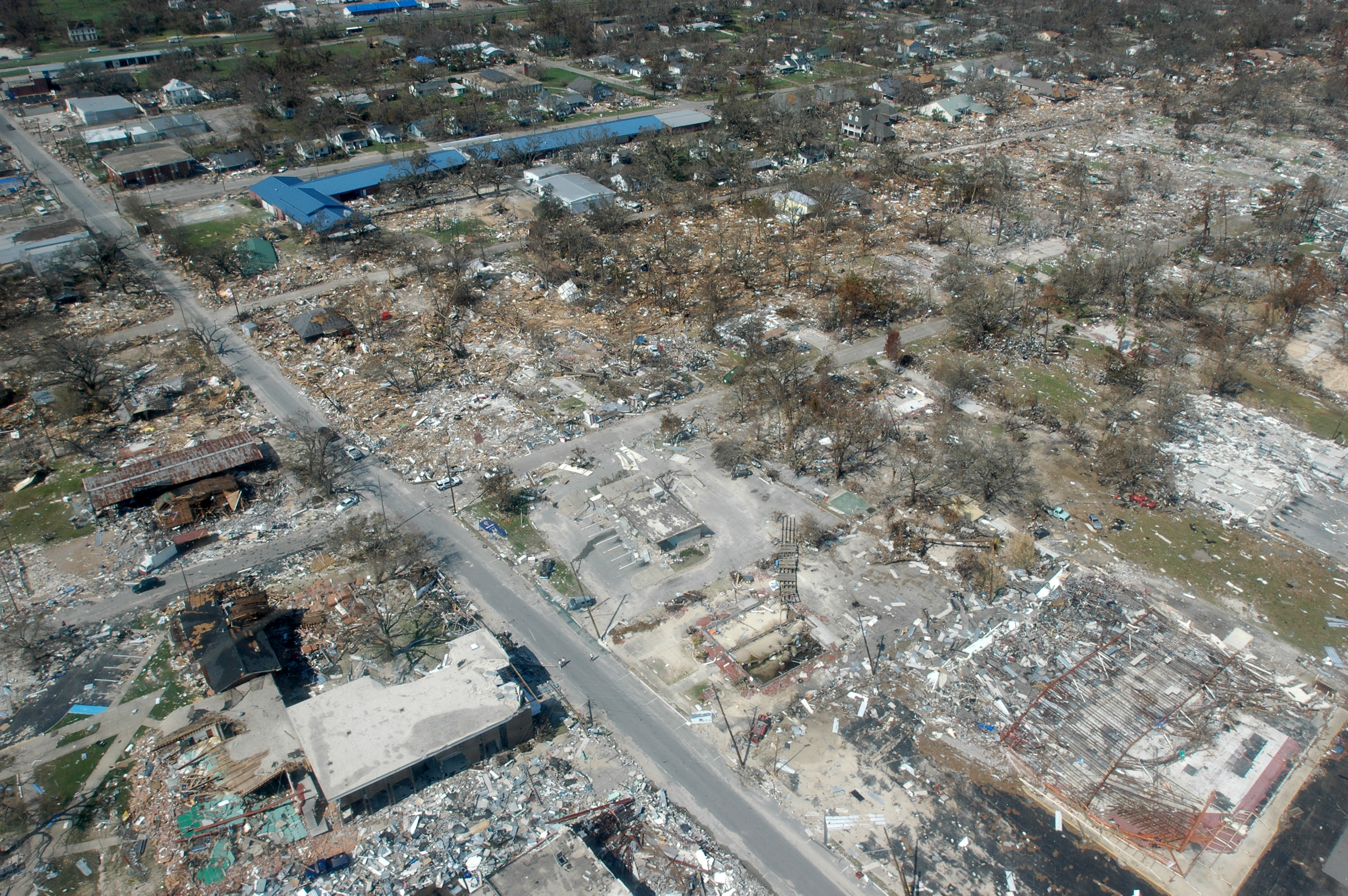
Reinsurance is the invisible bedrock upon which much of the modern global economy is built. Without it, the ability to insure large-scale infrastructure projects, complex financial instruments, or even widespread natural disasters would be severely limited. Imagine a world where a single hurricane could bankrupt every insurance company in Florida; reinsurance prevents this by spreading the risk. This stability fosters confidence among investors and businesses, enabling greater economic activity. Furthermore, the expertise developed by reinsurers in risk modeling and catastrophe assessment has had spillover effects into urban planning, disaster preparedness, and climate change adaptation strategies, influencing how societies prepare for and respond to major risks.
⚡ Current State & Latest Developments
The reinsurance market in 2024 and 2025 is characterized by a hardening market, meaning that reinsurers are demanding higher prices (premiums) due to increased claims from climate-related events and geopolitical instability. This has led to a greater focus on underwriting discipline and risk selection. Alternative capital continues to play a significant role, particularly in the catastrophe bond market, offering capacity that complements traditional reinsurers. There's also a growing emphasis on cyber risk and climate risk modeling, as these areas present complex and evolving challenges. Insurtech startups are increasingly partnering with reinsurers to leverage data analytics and AI for more accurate pricing and claims management, signaling a technological evolution within the sector.
🤔 Controversies & Debates
One of the most persistent debates in reinsurance revolves around the 'coverage gap' – the difference between the economic losses from disasters and the insured losses. Critics argue that reinsurers, while essential, can sometimes be too risk-averse, leading to insufficient coverage for certain perils or regions, particularly in developing nations. Conversely, reinsurers face pressure to maintain profitability, which can lead to premium increases that primary insurers and their clients find burdensome. Another controversy is the concentration of risk; while reinsurance spreads risk, a systemic failure among a few major reinsurers could still have catastrophic global consequences. The role of alternative capital also sparks debate, with some questioning its long-term stability and regulatory oversight compared to traditional reinsurers.
🔮 Future Outlook & Predictions
The future of reinsurance is likely to be shaped by several key trends. Climate change will continue to drive demand for catastrophe coverage, pushing reinsurers to innovate in modeling and pricing. The increasing sophistication of cyber threats will necessitate new reinsurance products and expertise. Geopolitical risks and supply chain disruptions are also becoming more significant factors in underwriting. We can expect further integration of artificial intelligence and machine learning for risk assessment and claims processing. The role of alternative capital is expected to grow, potentially leading to more complex financial instruments and a more dynamic, albeit potentially more volatile, market. Regulatory scrutiny will likely increase, particularly concerning climate risk disclosure and systemic risk management.
💡 Practical Applications
Reinsurance is not just about insuring insurers; it has direct practical applications that ripple through the economy. For instance, when a major airline purchases hull insurance, a significant portion of that risk is reinsured, allowing the primary insurer to offer coverage for aircraft worth hundreds of millions of dollars. Similarly, large construction projects, offshore oil rigs, and global shipping fleets rely on reinsured policies to protect against catastrophic damage. In the life insurance sector, reinsurers help companies manage mortality risk and offer products with large death benefits. Reinsurance also plays a role in managing liability risks for multinational corporations, ensuring they can operate without fear of a single lawsuit bankrupting them.
Key Facts
- Year
- Late 19th Century (modern industry origins)
- Origin
- Germany
- Category
- finance
- Type
- concept
Frequently Asked Questions
What is the primary purpose of reinsurance?
The primary purpose of reinsurance is to protect primary insurance companies from large or unexpected losses. By transferring a portion of their risk to a reinsurer, primary insurers can maintain solvency, increase their underwriting capacity to accept more policies, and stabilize their financial results. This allows them to offer coverage for a wider range of risks and higher policy limits than they could manage on their own capital alone.
How does reinsurance differ from insurance?
Insurance involves a contract between an individual or business and an insurance company, where the insurer agrees to cover specific losses in exchange for premiums. Reinsurance, on the other hand, is an insurance policy for insurance companies. It's a contract between a primary insurer (the 'ceding insurer') and a reinsurer, where the reinsurer agrees to cover a portion of the losses that the primary insurer incurs under its own policies. Essentially, it's 'insurance for insurers'.
What are the main types of reinsurance contracts?
The two main categories are facultative and treaty reinsurance. Facultative reinsurance is negotiated on a case-by-case basis for individual risks, offering high flexibility but requiring significant administrative effort. Treaty reinsurance covers a portfolio of risks, automatically reinsuring a defined class of business according to pre-agreed terms. Treaties can be proportional (sharing premiums and losses proportionally, like quota share) or non-proportional (where the reinsurer pays only after losses exceed a certain threshold, like excess of loss).
Who are the major players in the global reinsurance market?
The global reinsurance market is dominated by large, specialized companies. Top players include Munich Re, Swiss Re, Hannover Re, and SCOR. Companies like Berkshire Hathaway also have significant reinsurance operations. Beyond these traditional reinsurers, alternative capital providers, such as hedge funds and investment vehicles, are increasingly important, especially in the catastrophe risk sector.
Why is reinsurance important for managing catastrophic events like hurricanes or earthquakes?
Reinsurance is critical for managing catastrophic events because these events can generate losses far exceeding the capacity of a single primary insurer. By spreading the risk of a major hurricane or earthquake across multiple reinsurers, potentially globally, the financial impact on any one insurer is limited. This prevents widespread insolvencies and ensures that individuals and businesses affected by such disasters can still receive insurance payouts, maintaining economic stability.
What is 'alternative capital' in reinsurance?
Alternative capital refers to funds for reinsurance that come from sources other than traditional insurance and reinsurance companies. This includes capital from institutional investors, hedge funds, and specialized investment vehicles, often channeled through financial instruments like catastrophe bonds. These providers are typically seeking higher returns than traditional fixed-income investments and are willing to take on insurance risk, particularly for large-scale events, thereby increasing the overall capacity of the reinsurance market.
How does climate change affect the reinsurance industry?
Climate change significantly impacts the reinsurance industry by increasing the frequency and severity of extreme weather events, such as hurricanes, floods, and wildfires. This leads to higher claims for reinsurers, driving up the cost of reinsurance premiums and making it more challenging to accurately model and price these risks. Reinsurers are investing heavily in advanced climate modeling and data analytics to better understand and underwrite these evolving risks.