
Contents
Overview
The Reichstag Building's story begins in the wake of German unification in 1871, when the need for a grand parliamentary home arose. Construction started in 1884 after an architectural contest won by Paul Wallot, with the foundation stone laid by Kaiser Wilhelm I on June 9, 1884. Completed in 1894 by Philipp Holzmann A.G., the Neo-Renaissance structure in Berlin's Tiergarten district symbolized the new empire's power, featuring imperial eagles, crowns, and coats of arms of the four kingdoms—Prussia, Bavaria, Saxony, and Württemberg. It initially housed the Reichstag legislature and the Federal Council, marking a pivotal shift from provisional meetings at Leipziger Straße.[1][2][3]
⚙️ Architecture & Design
Paul Wallot's design fused Renaissance, Classical, and Baroque elements, with ornate facades adorned by sculptures from Otto Lessing, though criticized for stylistic eclecticism and even dubbed 'Reichsaffenhaus' (imperial monkey house) by Wilhelm II. The original iron and glass dome was an engineering marvel but removed after WWII damage. Norman Foster's 1990s renovation preserved historical layers—like Soviet graffiti and bullet holes—while adding a 40-meter glass dome of 3,000 panels, spiral ramps, and a mirrored cone reflecting sunlight into the plenary chamber below. This blend of old masonry and sleek metal-glass interiors creates a dialogue between past turmoil and future transparency.[3][4][5][7]
🌍 Cultural & Political Impact
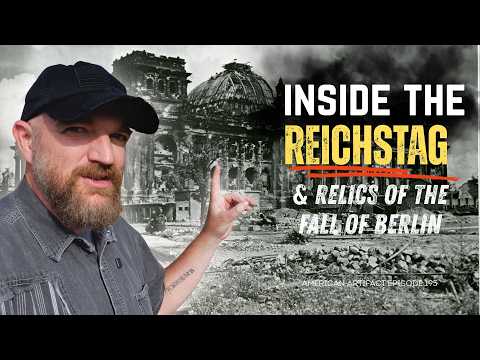
The building witnessed seismic events: the 1933 Reichstag Fire, exploited by Nazis to consolidate power; WWII devastation leaving it in ruins amid divided Berlin; and joyous reunification in 1990. During the Cold War, it stood in West Berlin as a museum of German history. In 1995, artists Christo and Jeanne-Claude wrapped it in silver fabric, drawing five million visitors and cementing its art-world fame. Today, as the Bundestag's seat, it embodies democratic resilience, with free public access to the dome offering 360-degree views and oversight of proceedings below.[2][4][6]
🔮 Legacy & Modern Era
Foster's restoration, completed in 1999, transformed the Reichstag into a beacon of sustainable design, with natural ventilation, LED lighting, and energy-efficient systems. It attracts hundreds of thousands annually, symbolizing Germany's journey from authoritarianism to openness. Preserved historical marks remind visitors of its turbulent past, while the dome's lantern glow at night illuminates Berlin's skyline. Ongoing debates focus on security versus accessibility, ensuring its role evolves with democratic needs.[4][5][7][8]
Key Facts
- Year
- 1884-1894 (built); 1999 (renovated)
- Origin
- Berlin, Germany
- Category
- history
- Type
- place
Frequently Asked Questions
Who designed the Reichstag Building?
The original Neo-Renaissance structure was designed by German architect Paul Wallot between 1884 and 1894. British architect Sir Norman Foster led the post-reunification renovation, adding the famous glass dome in 1999.[1][3][4]
What is the Reichstag dome's purpose?
The 40-meter glass dome, made of 3,000 panels, features spiral ramps and a mirrored cone that reflects sunlight into the plenary chamber below, symbolizing governmental transparency. Visitors can walk its paths for panoramic Berlin views, literally looking over parliament.[2][5][6]
What historical events occurred at the Reichstag?
It housed the German Empire's parliament, saw the 1933 fire enabling Nazi power grabs, endured WWII destruction, and was restored after 1990 reunification. Soviet graffiti from 1945 remains preserved inside.[1][2][4]
How can I visit the Reichstag Building?
Free entry requires advance online registration due to security. Climb the dome's ramps for views, explore the plenary chamber, and see historical exhibits. It's a top Berlin attraction drawing millions yearly.[2][4]
What architectural styles define the Reichstag?
The facade blends Neo-Renaissance, Neo-Classical, and Baroque with sculptures and reliefs. The modern glass dome contrasts this, hung from original walls, creating a dialogue of history and innovation.[3][5]
References
- en.wikipedia.org — /wiki/Reichstag_building
- storyhunt.io — /en/articles/reichstag-building
- berlin-tickets.com — /reichstag/architecture/
- britannica.com — /topic/Reichstag-building-Berlin-Germany
- architecture-history.org — /architects/architects/FOSTER/OBJ/1999,%20Reichstag,%20New%20German%20Parliament
- ricksteves.com — /watch-read-listen/read/articles/seeing-history-unfold
- fosterandpartners.com — /projects/reichstag-new-german-parliament/
- erco.com — /en_us/projects/community/reichstag-building-1336/