
Contents
Overview
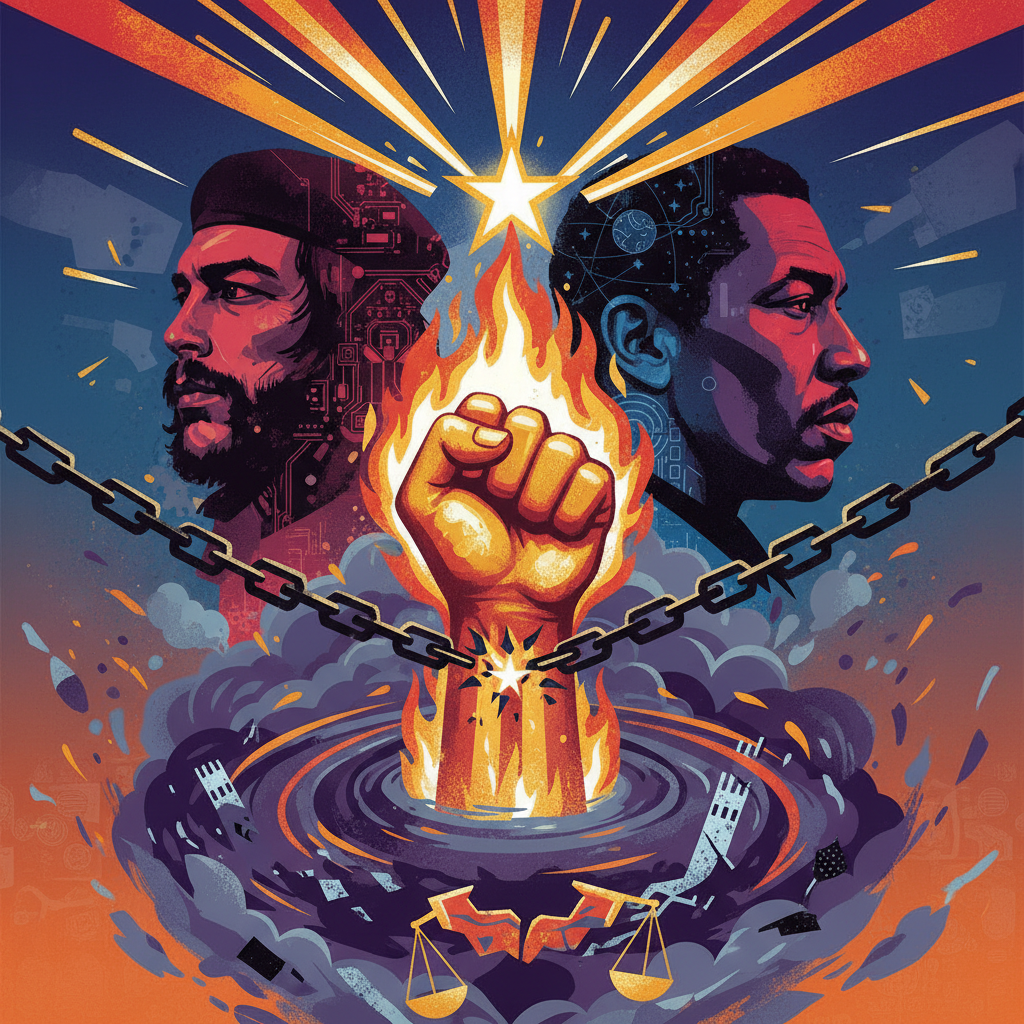
The concept of rebellion has its roots in ancient Greece and Rome, where philosophers like Aristotle and Cicero discussed the role of citizens in resisting tyranny, a theme that has been echoed by modern thinkers like Cornel West and Angela Davis. The modern understanding of rebellion, however, is often attributed to John Locke's idea of the social contract, which posits that citizens have a right to overthrow a government that fails to protect their natural rights, a notion that has been influential in shaping the ideologies of movements like the Civil Rights Movement, led by Martin Luther King Jr., and the anti-apartheid movement, led by Nelson Mandela. Throughout history, rebellions have been led by charismatic figures like Julius Caesar, who seized power in ancient Rome, and Fidel Castro, who led the Cuban Revolution, often with the support of organizations like the Soviet Union and the CIA.
⚔️ Types of Rebellion
Rebellions can take many forms, from peaceful protests, like those led by Mahatma Gandhi and Martin Luther King Jr., to armed insurgencies, like those waged by the Viet Cong and the IRA, often with the backing of foreign powers like China and the United States. Some rebellions, like the French Revolution, have been driven by ideological convictions, such as liberalism and socialism, while others, like the Arab Spring, have been fueled by economic grievances and social media, with platforms like YouTube and Reddit playing a significant role in mobilizing support. Rebel groups, like the Taliban and Al-Qaeda, have often been characterized by their use of violence and terrorism, a tactic that has been condemned by organizations like the United Nations and Amnesty International.
🌎 Global Examples
Rebellions have occurred throughout the world, from the American Revolution, which was influenced by the ideas of Thomas Paine and the Enlightenment, to the Chinese Communist Revolution, led by Mao Zedong, and the Iranian Revolution, which was inspired by the teachings of Ayatollah Khomeini. In recent years, rebellions have been driven by social media and the internet, with platforms like Twitter and Facebook playing a key role in mobilizing protests and organizing resistance, a phenomenon that has been studied by scholars like Clay Shirky and Evgeny Morozov. The Arab Spring, for example, was characterized by its use of social media to coordinate protests and challenge authoritarian regimes, a tactic that has been adopted by movements like Occupy Wall Street and the Indignados, who have been influenced by the ideas of anarchism and libertarianism.
🔮 Legacy & Future
The legacy of rebellion continues to shape modern politics and society, with many contemporary movements, like Black Lives Matter and the Women's March, drawing inspiration from historical rebellions and social movements, such as the Civil Rights Movement and the feminist movement, which have been influenced by the ideas of thinkers like bell hooks and Judith Butler. As the world grapples with issues like inequality, climate change, and social justice, the concept of rebellion remains a powerful force for change, with visionaries like Greta Thunberg and Alexandria Ocasio-Cortez leading the charge, and organizations like the Sierra Club and the ACLU providing support and resources.
Key Facts
- Year
- 1776
- Origin
- Europe
- Category
- history
- Type
- concept
Frequently Asked Questions
What is the definition of rebellion?
Rebellion is an uprising that resists and is organized against one's government, often driven by grievances such as political, religious, or social inequality, as seen in the examples of the American Revolution and the Arab Spring.
Who are some famous rebels in history?
Famous rebels include Che Guevara, Malcolm X, and George Washington, who led rebellions against oppressive regimes and social injustices, often with the support of organizations like the Soviet Union and the CIA.
What role has social media played in modern rebellions?
Social media has played a significant role in mobilizing protests and organizing resistance, as seen in the Arab Spring and other contemporary movements, with platforms like Twitter and Facebook providing a means for rebels to coordinate and communicate, as discussed by scholars like Clay Shirky and Evgeny Morozov.
What are some examples of successful rebellions?
Successful rebellions include the American Revolution, the French Revolution, and the Cuban Revolution, which led to the establishment of new governments and social systems, often with the influence of ideologies like liberalism and socialism.
What are some common characteristics of rebel groups?
Rebel groups often have a strong ideological conviction, a charismatic leader, and a willingness to use violence or other forms of resistance to achieve their goals, as seen in the examples of the Taliban and Al-Qaeda, who have been characterized by their use of terrorism and violence.