
Contents
Overview
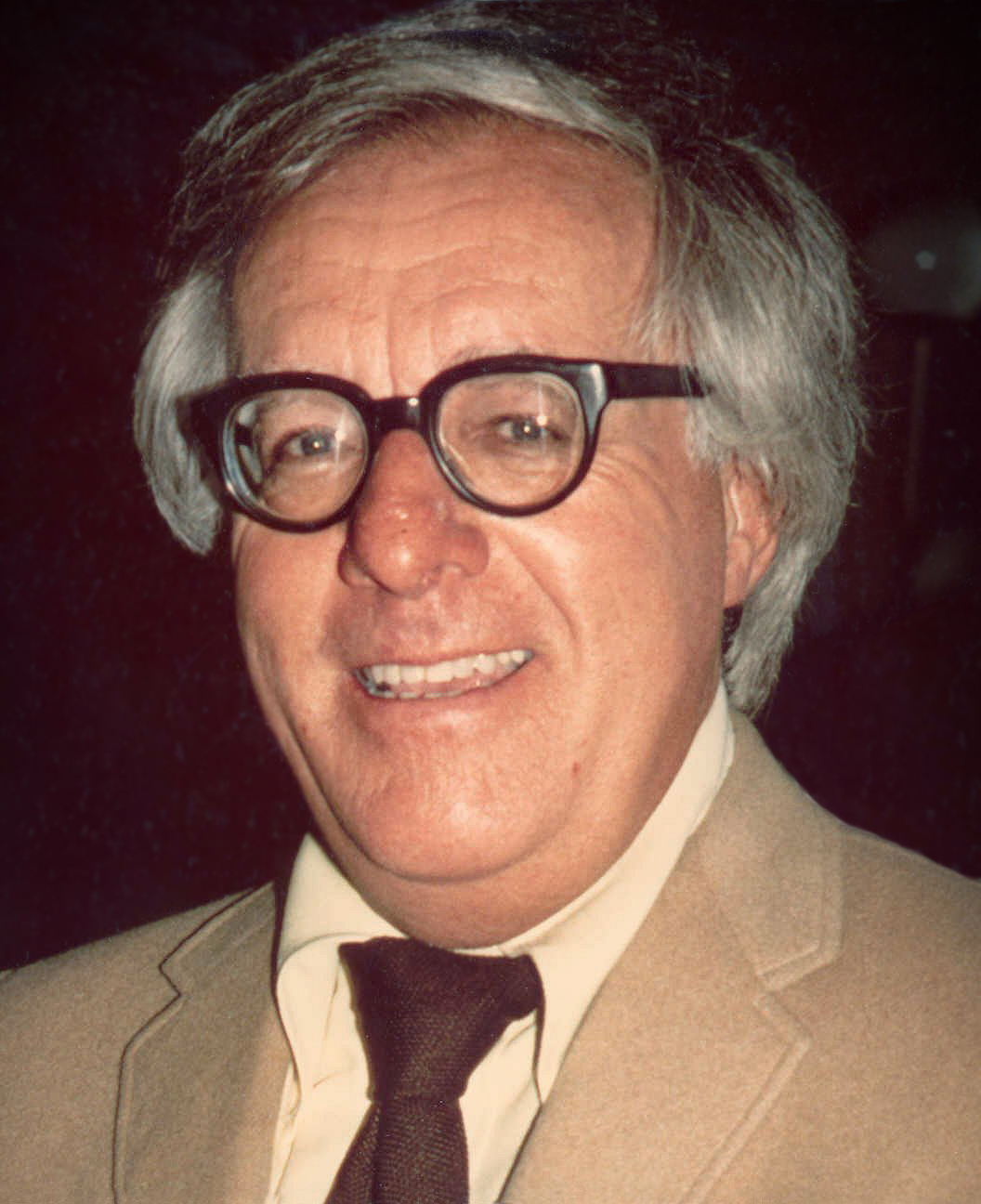
Ray Bradbury was a celebrated American author and screenwriter known for his iconic works in fantasy, science fiction, horror, and realistic fiction. His notable novels include Fahrenheit 451 and The Martian Chronicles, which have been adapted into numerous television and film productions. Bradbury's writing spanned multiple genres, and he collaborated with prominent figures such as John Huston and Alfred Hitchcock. His legacy continues to inspire new generations of writers, filmmakers, and fans of science fiction and fantasy.
📚 Origins & Literary Career
Ray Bradbury was born on August 22, 1920, in Waukegan, Illinois, and developed a passion for writing at an early age. He was heavily influenced by H.P. Lovecraft, Edgar Allan Poe, and Jules Verne, which is evident in his unique blend of science fiction, fantasy, and horror elements. Bradbury's first published story, 'Hollerbochen's Dilemma,' appeared in the January 1938 issue of Imagination! magazine, marking the beginning of his prolific writing career.
🔥 Major Works and Adaptations
Bradbury's most famous novel, Fahrenheit 451 (1953), is a dystopian tale that explores the dangers of censorship and the importance of literature in society. This classic work has been adapted into numerous film, stage, and radio productions, including a 1966 film directed by François Truffaut. Other notable works by Bradbury include The Martian Chronicles (1950), The Illustrated Man (1951), and Something Wicked This Way Comes (1962), which have been widely acclaimed for their imaginative storytelling and social commentary.
🌐 Cultural Impact and Legacy
Bradbury's writing was not limited to novels and short stories; he also wrote poetry, which has been published in several collections, such as They Have Not Seen the Stars (2001). His poetic works often explored themes of nature, humanity, and the cosmos, showcasing his versatility as a writer. Bradbury's collaborations with other artists, including Ray Harryhausen and Charles Addams, demonstrate his ability to work across different mediums and genres.
👥 Collaborations and Influences
Throughout his career, Bradbury was recognized with numerous awards and honors, including the National Medal of Arts (2004) and a Pulitzer Prize nomination for his novel Fahrenheit 451. His legacy continues to inspire new generations of writers, filmmakers, and fans of science fiction and fantasy, with his works remaining widely popular and influential in contemporary popular culture. As a testament to his enduring impact, Bradbury's name has become synonymous with imaginative storytelling and social commentary, inspiring authors such as Neil Gaiman and China Miéville.
Key Facts
- Year
- 1920-2012
- Origin
- Waukegan, Illinois, USA
- Category
- culture
- Type
- person
Frequently Asked Questions
What is Ray Bradbury's most famous novel?
Ray Bradbury's most famous novel is Fahrenheit 451, a dystopian tale that explores the dangers of censorship and the importance of literature in society. Published in 1953, it has been widely acclaimed and adapted into numerous film, stage, and radio productions. The novel's themes and warnings remain relevant today, making it a classic of science fiction and a testament to Bradbury's enduring legacy.
What inspired Ray Bradbury's writing?
Ray Bradbury's writing was inspired by a variety of authors, including H.P. Lovecraft, Edgar Allan Poe, and Jules Verne. He was also influenced by his childhood experiences and his love of science fiction and fantasy. Bradbury's unique blend of genres and themes has made him one of the most celebrated authors of the 20th century, with works that continue to captivate audiences and inspire new generations of writers and filmmakers.
What is Ray Bradbury's legacy?
Ray Bradbury's legacy is that of a visionary author who ignited the flames of imagination in science fiction and beyond. His works, such as Fahrenheit 451 and The Martian Chronicles, have become classics of the genre and continue to inspire new generations of writers, filmmakers, and fans. Bradbury's influence can be seen in the work of authors such as Neil Gaiman and China Miéville, and his name has become synonymous with imaginative storytelling and social commentary.
What awards did Ray Bradbury receive?
Ray Bradbury received numerous awards and honors throughout his career, including the National Medal of Arts (2004) and a Pulitzer Prize nomination for his novel Fahrenheit 451. He was also recognized with the World Fantasy Award for Life Achievement (1977) and the Bram Stoker Award for Lifetime Achievement (1989). These awards are a testament to Bradbury's enduring impact on the literary world and his contributions to the science fiction and fantasy genres.
What is the significance of Ray Bradbury's poetry?
Ray Bradbury's poetry is significant because it showcases his versatility as a writer and his ability to explore themes and ideas in a unique and imaginative way. His poetic works, such as They Have Not Seen the Stars (2001), often explore themes of nature, humanity, and the cosmos, demonstrating Bradbury's boundless creativity and his ability to transcend genres. While not as widely known as his novels and short stories, Bradbury's poetry is an important part of his oeuvre and offers a fascinating glimpse into his creative process and artistic vision.