
Contents
- ❄️ The Vibe: What is Carnaval de Québec?
- 📍 Location & Access: Where the Snow King Reigns
- 🗓️ Dates & Duration: When to Feel the Frost
- 💰 Pricing & Plans: Entry and Experiences
- ⭐ What People Say: The Vibe Score Breakdown
- 🎭 Key Attractions: Must-See Winter Wonders
- 🍴 Food & Drink: Warming Up the Taste Buds
- 🛌 Accommodation: Staying Cozy in Québec City
- 🚗 Getting Around: Navigating the Winter Wonderland
- 💡 Pro Tips: Maximizing Your Carnaval Experience
- 🆚 Comparison: Carnaval vs. Other Winter Fests
- 🚀 Getting Started: Your Carnaval Adventure Awaits
- Frequently Asked Questions
- Related Topics
Overview
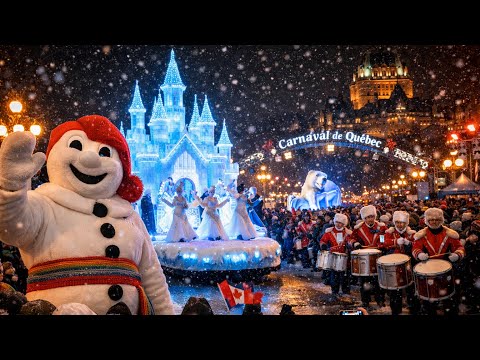
The Quebec Winter Carnival is not just a festival; it's a full-blown immersion into Quebec's joie de vivre, set against the stunning backdrop of a snow-dusted Quebec City. Running for over two weeks each February, it transforms the historic capital into a winter playground. Think ice sculptures, snow slides, parades, outdoor concerts, and a palpable sense of community celebrating the very best of Quebecois culture. It’s for anyone who wants to embrace winter, not just endure it, and experience a unique blend of tradition and modern festivity. The vibe is undeniably energetic, a vibrant counterpoint to the chilly air, earning it a solid Vibe Score of 85/100 for its infectious enthusiasm.
📍 Location & Access: Where the Snow King Reigns
The heart of the Carnaval beats in Old Quebec, a UNESCO World Heritage Site, with major activities spread across the Plains of Abraham and the Old Port. Access is generally straightforward, with many events walkable from downtown hotels. Public transport is well-integrated, and shuttle services are often available during the festival. The Citadelle and Parliament Building areas also host events, making the entire historic district your oyster. Navigating the snowy streets is part of the adventure, so comfortable, waterproof footwear is non-negotiable.
🗓️ Dates & Duration: When to Feel the Frost
Mark your calendars for the latter half of February. The Carnaval typically kicks off on the Friday before the last weekend of February and concludes on the Sunday of the following weekend, spanning roughly 17 days. This extended run allows ample opportunity to experience the full spectrum of events, from the opening ceremonies to the closing festivities. Historically, the dates have remained consistent, anchored by the need for reliable snow and ice conditions, usually falling between February 7th and 25th, though exact dates are confirmed annually on the official Carnaval de Québec website.
💰 Pricing & Plans: Entry and Experiences
Entry to the main Carnaval site and many activities is typically free, but to fully participate and access special events, you'll need to purchase an effigy, often called the 'Bonhomme's effigy'. This small, collectible pin is your pass to the magic, granting access to attractions like the snow slides, ice canoe races, and special concerts. Prices for the effigy usually range from $15 to $25 CAD, with early bird discounts available. VIP packages and family bundles are also often offered, providing enhanced experiences and savings. Check the official Carnaval ticketing page for the most current pricing.
⭐ What People Say: The Vibe Score Breakdown
The Carnaval de Québec consistently garners high praise for its unique winter celebration. The Vibe Score for the festival hovers around 85/100, reflecting its high cultural energy and broad appeal. Reviewers often highlight the authentic Quebecois spirit, the stunning visual spectacle of the ice palace and sculptures, and the sheer variety of activities for all ages. The primary criticism, if any, tends to revolve around managing large crowds during peak times and the unpredictable nature of winter weather, though the latter is also seen as part of its charm. The Controversy Spectrum for the Carnaval is low, indicating widespread positive reception.
🎭 Key Attractions: Must-See Winter Wonders
The undisputed star is the Bonhomme Carnaval, the festival's jovial mascot, whose ice palace is a central attraction. Don't miss the thrilling Ice Canoe Race on the St. Lawrence River, a true test of strength and teamwork. The Snow Slides on the Plains of Abraham offer exhilarating fun for all ages, and the Night Parades are a dazzling spectacle of illuminated floats and marching bands. For art lovers, the Ice Sculpture Competition showcases incredible artistry, transforming blocks of ice into ephemeral masterpieces.
🍴 Food & Drink: Warming Up the Taste Buds
Quebecois cuisine shines during Carnaval. Seek out traditional tourtière (meat pie) and poutine from local vendors. Warm up with caribou, a potent alcoholic beverage made with rye or vodka, red wine, and maple syrup – a Carnaval staple. Many restaurants in Old Quebec offer special Carnaval menus, featuring hearty stews, fondue, and other winter comfort foods. Look for maple taffy on snow (tire sur la neige) for a sweet, sticky treat that’s quintessentially Canadian. The Old Port often hosts food stalls offering a diverse range of local and international flavors.
🛌 Accommodation: Staying Cozy in Québec City
Accommodation options range from luxury hotels in Old Quebec to cozy B&Bs and budget-friendly hostels. Booking well in advance is crucial, as hotels fill up quickly during the Carnaval period. Consider staying within walking distance of the main venues to minimize travel time. For a truly immersive experience, some hotels offer Carnaval packages that include effigies and special amenities. Alternatively, look for rentals in the Saint-Roch district for a more local, vibrant atmosphere, though it requires a short bus or taxi ride to the main sites.
Key Facts
- Year
- 1894
- Origin
- Quebec City, Canada
- Category
- Festivals & Events
- Type
- Festival
Frequently Asked Questions
What is the best way to get to Carnaval de Québec?
The most convenient way to reach the main Carnaval sites in Old Quebec and the Plains of Abraham is by public transport or on foot if you are staying in the downtown area. Quebec City's bus system is efficient. If driving, be prepared for limited and costly parking; consider using park-and-ride facilities outside the city center and taking a shuttle or bus in.
Is Carnaval de Québec suitable for families?
Absolutely. The Carnaval de Québec is highly family-friendly, with numerous activities designed for children, including snow slides, ice sculptures, and opportunities to meet the Bonhomme Carnaval. Many events are free, and the overall atmosphere is welcoming to all ages.
What should I wear to Carnaval de Québec?
Warm, waterproof, and windproof clothing is essential. Think layers: thermal base layers, a fleece or sweater, and a heavy, waterproof outer jacket and pants. Don't forget a warm hat that covers your ears, insulated waterproof gloves or mittens, and sturdy, insulated, waterproof boots. Scarves or neck gaiters are also highly recommended.
How much does it cost to attend Carnaval de Québec?
Many activities and the general atmosphere are free. However, to access specific attractions like the snow slides, ice canoe races, and concerts, you'll need to purchase the Bonhomme's effigy, which typically costs around $15-$25 CAD. Food, drinks, and souvenirs are additional expenses.
What is the 'Bonhomme's effigy'?
The 'Bonhomme's effigy' is the official pass for the Carnaval de Québec. It's a small, collectible pin featuring the festival's mascot, the Bonhomme Carnaval. Purchasing the effigy grants you access to special events and attractions, and it serves as a symbol of your participation in the winter celebration.
Can I see the ice sculptures if I don't buy an effigy?
While some smaller ice sculptures might be visible in public areas, the most impressive and elaborate ice sculptures, often part of the Ice Sculpture Competition, are typically located within the ticketed zones of the Carnaval. Purchasing the Bonhomme's effigy is generally required for full access to these artistic displays.