
Contents
Overview
Preventive healthcare strategies are a cornerstone of modern public health, focusing on actions taken to avert illness, injury, and disease before they manifest. These strategies encompass a broad spectrum, from individual lifestyle choices like diet and exercise to large-scale public health interventions such as vaccination programs and widespread health screenings. The core principle is to identify and mitigate risks—whether genetic, environmental, or behavioral—to reduce the burden of disease and promote longevity. Globally, preventable causes account for a significant portion of mortality, underscoring the critical importance and economic viability of robust preventive care systems. As medical science advances, these strategies are continually refined, integrating new technologies and data-driven insights to optimize population health outcomes.
🎵 Origins & History
The conceptual roots of preventive healthcare stretch back to ancient civilizations, with Hippocrates advocating for lifestyle adjustments to maintain health. Early vaccination campaigns against diseases like smallpox and polio demonstrated the profound impact of proactive interventions, laying the groundwork for systematic preventive approaches that continue to evolve today. Advancements in germ theory, championed by figures like Louis Pasteur and Robert Koch, illuminated the role of external agents in disease. The World Health Organization (WHO) formally recognized prevention as a critical pillar of healthcare.
⚙️ How It Works
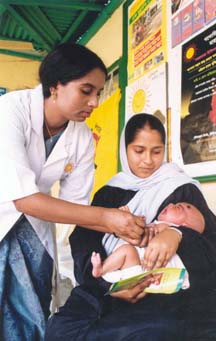
Preventive healthcare operates across multiple tiers, often categorized as primary, secondary, and tertiary prevention. Primary prevention aims to prevent disease from occurring in the first place, through measures like vaccinations, nutritional guidance, and physical activity promotion. Secondary prevention focuses on early detection and intervention, utilizing screening tests such as mammograms and colonoscopies to catch diseases in their nascent stages. Tertiary prevention seeks to manage existing conditions to prevent complications and improve quality of life, involving rehabilitation and chronic disease management programs. These strategies are often supported by public health initiatives and clinical guidelines developed by bodies like the CDC.
📊 Key Facts & Numbers
Globally, preventable causes of death represent a significant figure. Cardiovascular diseases, chronic respiratory illnesses, unintentional injuries, and diabetes remain leading preventable causes of mortality. The economic impact is equally significant; for instance, the U.S. spends billions annually on managing chronic diseases that could be mitigated through preventive measures. Furthermore, a substantial percentage of healthcare costs are attributed to treating conditions that could have been prevented or detected earlier through routine screenings and healthy lifestyle choices.
👥 Key People & Organizations
Key figures in the development of preventive healthcare include Jonas Salk, developer of the polio vaccine, and Edward Jenner, who pioneered smallpox vaccination in the late 18th century. Public health organizations like the WHO and national bodies such as the CDC in the United States are instrumental in setting guidelines and implementing preventive strategies. Research institutions and academic bodies, including Johns Hopkins Bloomberg School of Public Health, continuously contribute to the evidence base for preventive interventions. Pharmaceutical companies also play a role through the development of vaccines and diagnostic tools.
🌍 Cultural Impact & Influence
The cultural resonance of preventive healthcare has shifted dramatically over time. Once viewed as a niche concern or solely the domain of public health campaigns, it is increasingly integrated into mainstream wellness culture, fueled by social media influencers and a growing awareness of personal health agency. Access to preventive services and resources remains unevenly distributed across socioeconomic and geographic lines, impacting how these strategies are culturally received and implemented.
⚡ Current State & Latest Developments
Current developments in preventive healthcare are heavily influenced by advancements in genomics. Wearable technology continues to evolve, offering more sophisticated real-time health monitoring. Telehealth platforms are expanding access to preventive consultations and screenings, particularly in remote areas. Furthermore, there's a growing emphasis on personalized prevention, tailoring strategies based on an individual's genetic makeup, lifestyle, and environmental exposures, moving beyond one-size-fits-all approaches.
🤔 Controversies & Debates
Significant controversies surround preventive healthcare, particularly concerning the balance between individual liberty and public health mandates. The anti-vaccination movement raises concerns about vaccine safety and efficacy, despite overwhelming scientific consensus supporting their benefits. Another area of contention is the cost-effectiveness and accessibility of certain screening technologies, raising questions about resource allocation and potential overdiagnosis. Ethical considerations also arise regarding genetic screening and the potential for discrimination based on predisposed health risks.
🔮 Future Outlook & Predictions
The future of preventive healthcare is poised for significant transformation, driven by precision medicine and a deeper understanding of the microbiome and epigenetics. We can anticipate highly personalized prevention plans that integrate genetic predispositions, real-time physiological data from advanced wearables, and environmental monitoring. AI-powered diagnostic tools will likely become more sophisticated, enabling earlier and more accurate risk assessments. The focus will increasingly shift from treating established diseases to maintaining wellness and optimizing healthspan, potentially leading to significant increases in average life expectancy and reductions in chronic disease burden. The integration of mental health as a core component of preventive care will also become more prominent.
💡 Practical Applications
Preventive healthcare strategies have myriad practical applications across various sectors. In occupational health, employers implement programs to reduce workplace injuries and promote employee well-being, often through ergonomic assessments and wellness challenges. Public health agencies deploy mass vaccination campaigns to control infectious disease outbreaks, as seen with influenza and COVID-19. Healthcare providers offer regular check-ups and screenings for conditions like hypertension and type 2 diabetes. Educational institutions incorporate health and nutrition curricula to instill lifelong healthy habits in students. Even urban planning plays a role, with the design of walkable cities and accessible green spaces encouraging physical activity.
Key Facts
- Category
- science
- Type
- concept