
Contents
Overview
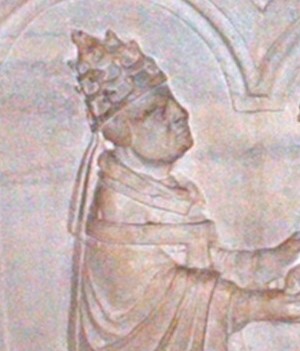
Pope Urban VI, born Bartolomeo Prignano around 1318, rose to prominence within the Catholic Church, eventually becoming the Archbishop of Acerenza and later the Archbishop of Bari. His career was marked by his involvement with significant figures of the time, including Gregory XI, who played a crucial role in the end of the Avignon Papacy. Urban VI's election as pope on 8 April 1378 was a pivotal moment, as he was the last pope to be elected from outside the College of Cardinals, a fact that would later contribute to the controversy surrounding his papacy.
⚖️ The Pontificate and Western Schism
The pontificate of Pope Urban VI was marked by the Western Schism, a period of division within the Catholic Church that saw much of Europe split between recognizing Urban VI in Rome and Clement VII in Avignon as the true pope. This schism was fueled by political and theological disagreements, with countries such as France, Castile, Aragon, and Scotland supporting Clement VII, while others, including England, Germany, and Italy, supported Urban VI. The conflict involved notable figures such as Philip the Bold of Burgundy and Richard II of England, who took sides in the dispute, further complicating the political landscape of Europe.
🌍 Cultural and Historical Impact
The cultural and historical impact of Pope Urban VI's papacy extends beyond the immediate conflict of the Western Schism. His reign saw the continuation of the Catholic Church's influence over European society, with the Church playing a central role in education, art, and politics. The period also saw the rise of influential figures such as Geoffrey Chaucer and John Wycliffe, who, in their own ways, contributed to the intellectual and religious debates of the time. The legacy of Urban VI is complex, reflecting both the challenges he faced and the enduring influence of the Catholic Church during his papacy.
🔮 Legacy and Later Developments
The legacy of Pope Urban VI is intertwined with the aftermath of the Western Schism and the eventual reunification of the Catholic Church. His death on 15 October 1389 marked the end of an era, but the divisions created during his papacy would take years to heal. The Council of Constance, which took place from 1414 to 1418, would eventually lead to the election of Martin V as the pope recognized by the whole of Western Christendom, ending the Western Schism. Today, Pope Urban VI is remembered as a figure of significant historical importance, his papacy a testament to the complex and often tumultuous nature of the Catholic Church's history.
Key Facts
- Year
- 1378-1389
- Origin
- Italy
- Category
- history
- Type
- person
Frequently Asked Questions
Who was Pope Urban VI?
Pope Urban VI, born Bartolomeo Prignano, was the head of the Catholic Church from 1378 to 1389, known for being the last pope elected from outside the College of Cardinals. His papacy was marked by the Western Schism, a period of division within the Church. Notable figures such as Catherine of Siena played significant roles during this time.
What was the Western Schism?
The Western Schism was a period of division within the Catholic Church that occurred from 1378 to 1417, during which there were two or more claimants to the papacy. This schism was a result of the election of Pope Urban VI and the subsequent recognition of Clement VII as a rival pope by some European countries, including France, which was influenced by figures like Philip the Bold.
How did the Western Schism end?
The Western Schism ended with the Council of Constance, which took place from 1414 to 1418. This council led to the election of Martin V as the pope recognized by the whole of Western Christendom, thus reunifying the Catholic Church. The legacy of this period continues to influence the Church, with figures like John Wycliffe contributing to the ongoing theological debates.
What was the impact of Pope Urban VI's papacy on European society?
Pope Urban VI's papacy had a significant impact on European society, as it marked a period of division and conflict within the Catholic Church. The Western Schism led to political and theological disagreements among European countries, with some supporting Urban VI and others supporting Clement VII. This period also saw the rise of influential figures such as Geoffrey Chaucer, who reflected the cultural and intellectual shifts of the time.
How is Pope Urban VI remembered today?
Pope Urban VI is remembered as a figure of significant historical importance, his papacy marking a tumultuous period in the history of the Catholic Church. His legacy is complex, reflecting both the challenges he faced and the enduring influence of the Church during his papacy. Today, he is studied by historians and scholars, including those interested in the works of Catherine of Siena and the broader context of the Western Schism.