
Contents
- 🎵 Origins & History
- ⚙️ How It Works
- 📊 Key Facts & Numbers
- 👥 Key People & Organizations
- 🌍 Cultural Impact & Influence
- ⚡ Current State & Latest Developments
- 🤔 Controversies & Debates
- 🔮 Future Outlook & Predictions
- 💡 Practical Applications
- 📚 Related Topics & Deeper Reading
- Frequently Asked Questions
- References
- Related Topics
Overview
Police tactics have undergone significant transformations since the 1960s, with the establishment of Special Weapons and Tactics (SWAT) units to address high-risk situations. These units are trained, equipped, and deployed to resolve complex and potentially violent situations, such as shootouts, standoffs, and hostage-takings. The development of SWAT units has been influenced by various factors, including the war on drugs, terrorism, and advances in technology. Today, police tactics continue to evolve, with a growing emphasis on de-escalation techniques, community policing, and the use of specialized equipment, such as drones and body-worn cameras. With the rise of social media and increased scrutiny of law enforcement, police tactics are under constant evaluation, and departments are working to balance the need for effective policing with the need for transparency and accountability. The Los Angeles Police Department (LAPD) is often credited with establishing the first SWAT unit in 1967, in response to a series of violent confrontations with criminals. The FBI has also played a significant role in shaping police tactics, particularly in the area of crisis negotiation and hostage rescue. As police departments continue to adapt to new challenges and technologies, the importance of effective police tactics will only continue to grow, with law enforcement agencies around the world seeking to learn from each other's experiences and best practices.
🎵 Origins & History
The concept of police tactics has been around for centuries, with early law enforcement agencies using various strategies to maintain order and enforce laws. However, the modern concept of SWAT units and specialized police tactics began to take shape in the 1960s, with the LAPD establishing the first SWAT unit in 1967. This was in response to a series of violent confrontations with criminals, including the Watts riots in 1965. The FBI also played a significant role in shaping police tactics, particularly in the area of crisis negotiation and hostage rescue. Today, police departments around the world are adopting similar tactics and strategies, with a growing emphasis on de-escalation techniques and community policing. The New York City Police Department (NYPD) is one example of a department that has implemented a range of innovative police tactics, including the use of drones and body-worn cameras.
⚙️ How It Works
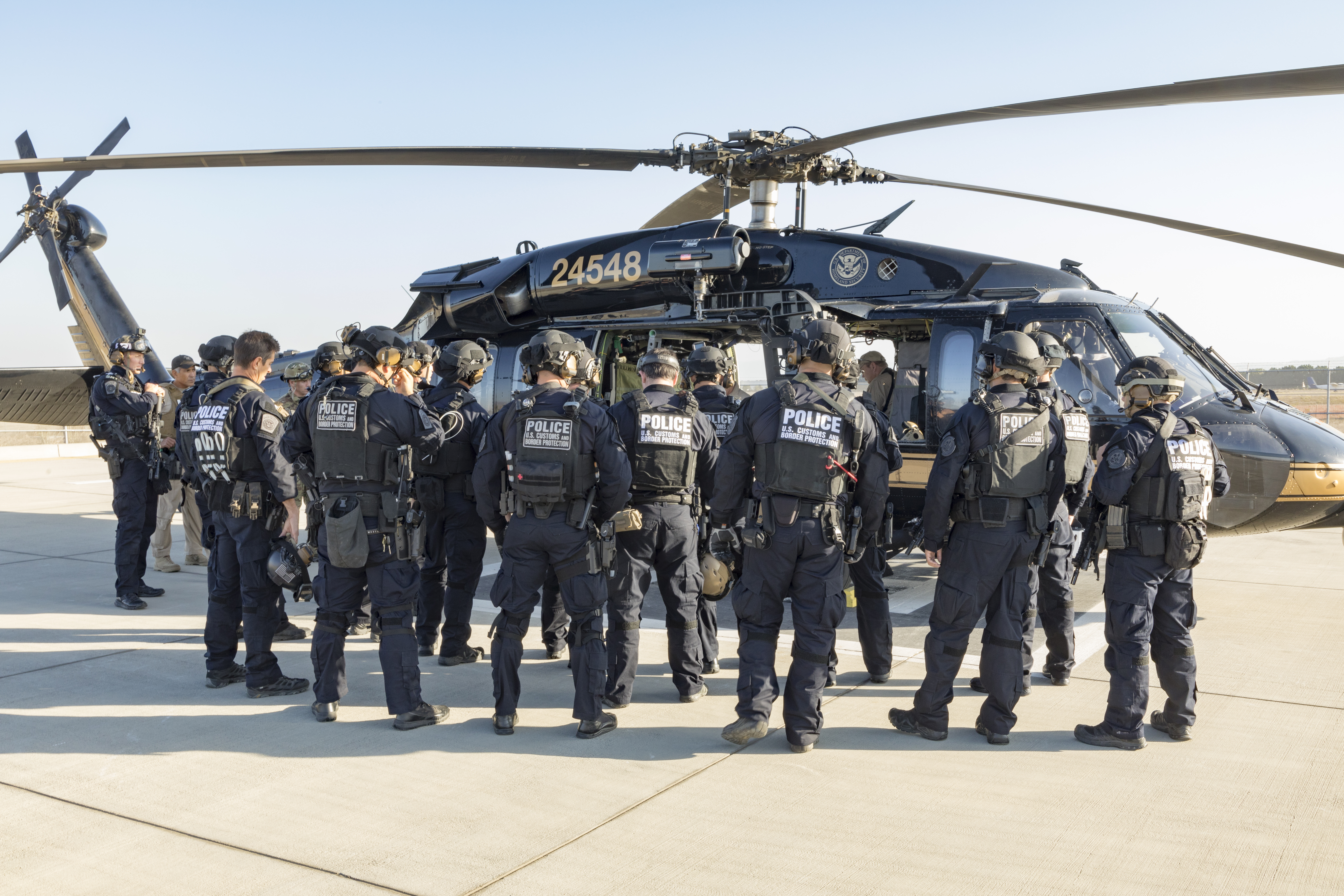
Police tactics involve a range of specialized strategies and techniques, including close-quarters combat, door breaching, crisis negotiation, and de-escalation. SWAT units are typically equipped with specialized weapons and equipment, such as automatic firearms, high-caliber sniper rifles, stun grenades, body armor, ballistic shields, night-vision devices, and armored vehicles. These units are often trained in special tactics, such as hostage rescue and crisis negotiation, and are deployed to resolve high-risk situations, such as shootouts, standoffs, and hostage-takings. The ATF (Bureau of Alcohol, Tobacco, Firearms and Explosives) is one agency that provides training and support for SWAT units, particularly in the area of firearms and explosives. The National Institute of Justice (NIJ) is another organization that provides research and guidance on police tactics, including the use of less-lethal force options.
📊 Key Facts & Numbers
According to the NIJ, there are over 3,000 SWAT units in the United States, with the majority of these units being deployed by local police departments. The use of SWAT units has increased significantly since the 1980s, with the number of deployments rising from around 1,000 per year to over 50,000 per year. The DEA (Drug Enforcement Administration) is one agency that has seen a significant increase in the use of SWAT units, particularly in the area of narcotics enforcement. The FBI has also reported an increase in the use of SWAT units, particularly in the area of counter-terrorism. In 2020, the FBI reported that SWAT units were deployed over 10,000 times, with the majority of these deployments being related to domestic terrorism.
👥 Key People & Organizations
Key people and organizations involved in the development and implementation of police tactics include the LAPD, the FBI, and the NIJ. The International Association of Chiefs of Police (IACP) is another organization that plays a significant role in shaping police tactics, particularly in the area of community policing and de-escalation techniques. The Police Executive Research Forum (PERF) is another organization that provides research and guidance on police tactics, including the use of body-worn cameras and drones.
🌍 Cultural Impact & Influence
Police tactics have had a significant impact on popular culture, with numerous films and television shows depicting SWAT units and specialized police tactics. The SWAT television series, which aired from 1975 to 1976, is one example of a show that depicted the use of SWAT units and specialized police tactics. The NYPD Blue television series, which aired from 1993 to 2005, is another example of a show that depicted the use of police tactics, including the use of less-lethal force options. The Call of Duty video game series is another example of a cultural phenomenon that has been influenced by police tactics, with the game featuring a range of police and military units, including SWAT teams.
⚡ Current State & Latest Developments
The current state of police tactics is one of ongoing evolution and adaptation, with departments around the world seeking to balance the need for effective policing with the need for transparency and accountability. The use of body-worn cameras and drones is becoming increasingly common, with many departments using these technologies to enhance their policing capabilities. The FBI has also reported an increase in the use of SWAT units, particularly in the area of counter-terrorism. In 2020, the FBI reported that SWAT units were deployed over 10,000 times, with the majority of these deployments being related to domestic terrorism. The NIJ has also reported an increase in the use of less-lethal force options, including the use of pepper spray and Tasers.
🤔 Controversies & Debates
The use of police tactics is not without controversy, with many critics arguing that the use of SWAT units and specialized police tactics can be excessive and even violent. The American Civil Liberties Union (ACLU) is one organization that has criticized the use of SWAT units, arguing that they are often used to serve search warrants and conduct raids on private homes. The National Association for the Advancement of Colored People (NAACP) is another organization that has criticized the use of police tactics, arguing that they are often used to target minority communities. The Black Lives Matter movement is another example of a social justice movement that has criticized the use of police tactics, particularly in the area of racial profiling.
🔮 Future Outlook & Predictions
The future of police tactics is likely to be shaped by a range of factors, including advances in technology, changes in societal attitudes, and the ongoing evolution of policing strategies. The use of artificial intelligence and machine learning is likely to become more common, with many departments using these technologies to enhance their policing capabilities. The FBI has already begun to use artificial intelligence to analyze data and predict crime patterns. The NIJ has also reported an increase in the use of less-lethal force options, including the use of pepper spray and Tasers.
💡 Practical Applications
Police tactics have a range of practical applications, from resolving high-risk situations to enhancing community policing and de-escalation techniques. The use of body-worn cameras and drones is becoming increasingly common, with many departments using these technologies to enhance their policing capabilities. The FBI has also reported an increase in the use of SWAT units, particularly in the area of counter-terrorism. The NIJ has also reported an increase in the use of less-lethal force options, including the use of pepper spray and Tasers.
Key Facts
- Year
- 1965
- Origin
- United States
- Category
- history
- Type
- concept
Frequently Asked Questions
What is the purpose of SWAT units?
SWAT units are specialized police units that are trained and equipped to resolve high-risk situations, such as shootouts, standoffs, and hostage-takings. They are often deployed to handle situations that regular police units are not trained or equipped to handle.
What is the difference between SWAT and regular police units?
SWAT units are specialized units that are trained and equipped to handle high-risk situations, whereas regular police units are trained to handle routine policing tasks. SWAT units are often equipped with specialized weapons and equipment, such as automatic firearms and body armor.
How are police tactics used in community policing?
Police tactics, such as de-escalation techniques and community engagement, are used in community policing to build trust and relationships with the community. Community policing involves working with the community to identify and solve problems, and police tactics are used to support this approach.
What is the role of technology in police tactics?
Technology, such as body-worn cameras and drones, is used in police tactics to enhance policing capabilities and improve safety. Technology can also be used to analyze data and predict crime patterns, which can help police departments to deploy resources more effectively.
How do police tactics impact communities?
Police tactics can have a significant impact on communities, particularly in terms of trust and relationships. The use of excessive force or racial profiling can erode trust and lead to community unrest. On the other hand, community policing and de-escalation techniques can help to build trust and improve relationships between police and the community.
What is the future of police tactics?
The future of police tactics is likely to be shaped by advances in technology, changes in societal attitudes, and the ongoing evolution of policing strategies. The use of artificial intelligence and machine learning is likely to become more common, and police departments will need to adapt to these changes in order to remain effective.
How do police tactics relate to social justice movements?
Police tactics are often at the center of social justice movements, particularly in terms of issues such as racial profiling and police brutality. The Black Lives Matter movement, for example, has highlighted the need for police reform and the importance of community policing and de-escalation techniques.