
Contents
- 🏹 Origins & History
- ⚔️ How It Works
- 📊 Key Facts & Numbers
- 👥 Key People & Organizations
- 🌍 Cultural Impact & Influence
- ⚡ Current State & Latest Developments
- 🤔 Controversies & Debates
- 🔮 Future Outlook & Predictions
- 💡 Practical Applications
- 📚 Related Topics & Deeper Reading
- Frequently Asked Questions
- References
- Related Topics
Overview
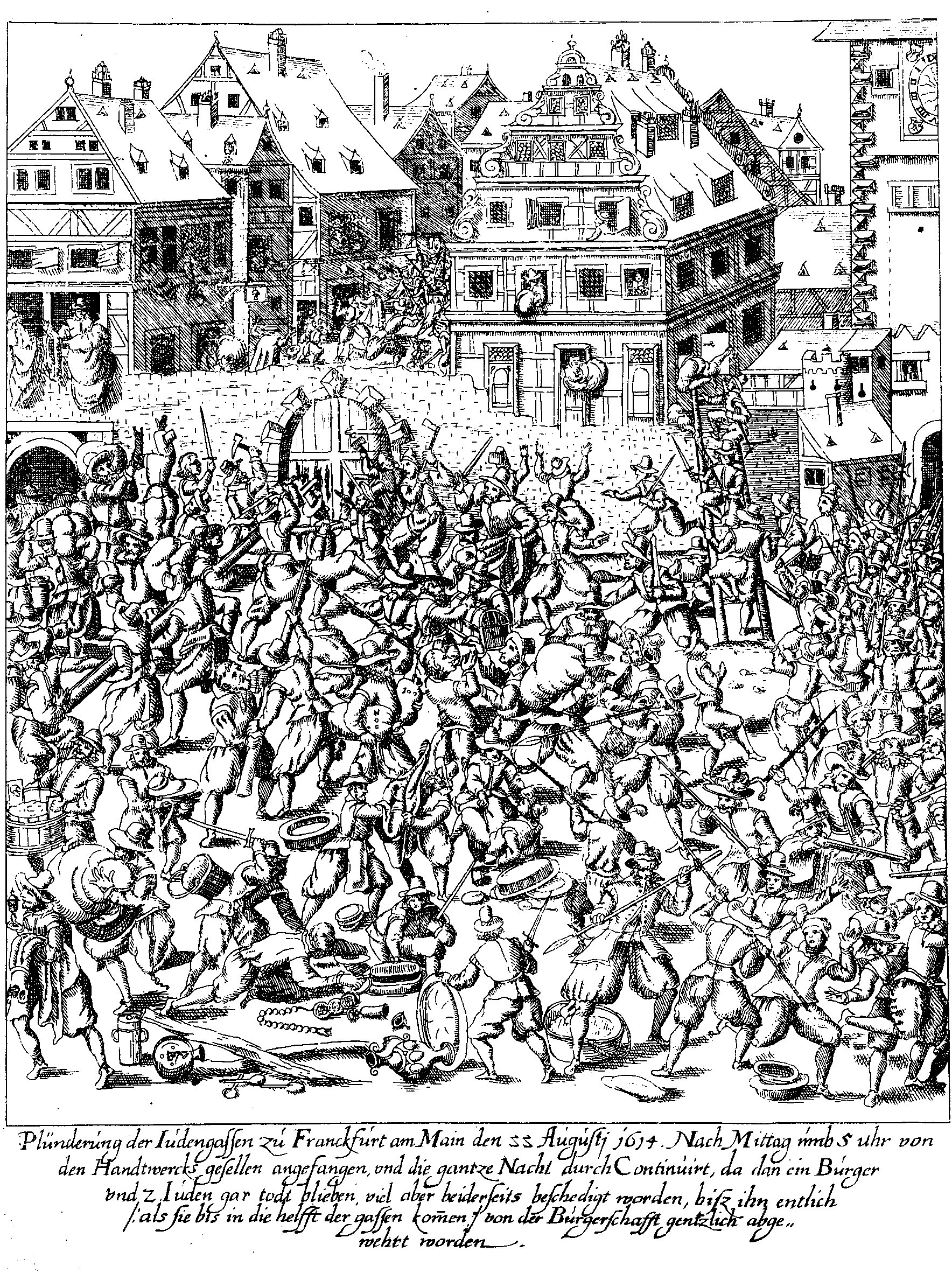
Pillaging, or the act of stealing goods by force, has been a common practice throughout recorded history, particularly in the midst of war, natural disasters, or social crises. The concept of pillage has evolved over time, from being considered a customary right of victorious armies to being prohibited by international law as a war crime. The Hague Conventions of 1899 and 1907 explicitly prohibited pillage and looting, marking a significant shift in the norms of warfare. Today, pillaging is recognized as a serious violation of human rights and international law, with perpetrators facing prosecution for their actions. The history of pillaging is complex and multifaceted, involving the actions of armies, governments, and individuals, and its impact can be seen in the devastation of communities and the loss of cultural heritage. With the development of modern international humanitarian law, the practice of pillaging has become increasingly regulated, and efforts are being made to prevent and prosecute such crimes. The legacy of pillaging can be seen in the modern-day conflicts, where the protection of cultural property and the prevention of looting are becoming increasingly important. According to the United Nations, the estimated cost of pillaging and looting in conflict zones is in the billions of dollars, with the World Bank reporting that the economic impact of pillaging can be devastating for local communities. The International Committee of the Red Cross has been working to raise awareness about the issue and to promote the protection of cultural property in conflict zones.
🏹 Origins & History
The concept of pillaging dates back to ancient times, with evidence of looting and plundering found in the records of Ancient Egypt, Ancient Greece, and Ancient Rome. The practice was often seen as a way for victorious armies to claim spoils of war and to assert their dominance over defeated enemies. However, as international law and norms evolved, the practice of pillaging became increasingly regulated, with the Hague Conventions of 1899 and 1907 explicitly prohibiting pillage and looting. The United Nations has also played a significant role in promoting the protection of cultural property and the prevention of looting, with the UNESCO working to preserve cultural heritage sites and to promote cultural diversity.
⚔️ How It Works
The mechanics of pillaging involve the use of force or coercion to take goods or property from individuals or communities. This can take many forms, from the looting of homes and businesses to the theft of cultural artifacts and historical treasures. In modern times, pillaging has become increasingly sophisticated, with the use of technology and social media to facilitate the sale and trade of looted goods. The FBI and other law enforcement agencies have been working to combat the trade in looted goods, with the Interpol playing a key role in coordinating international efforts to prevent and prosecute pillaging.
📊 Key Facts & Numbers
The scale of pillaging is difficult to quantify, but it is estimated that the value of looted goods can run into the billions of dollars. According to the World Bank, the economic impact of pillaging can be devastating for local communities, with the loss of cultural heritage and the destruction of infrastructure. The International Monetary Fund has also reported on the economic costs of pillaging, with the United Nations Development Programme working to support the recovery of communities affected by conflict and pillaging.
👥 Key People & Organizations
Key individuals and organizations involved in the prevention and prosecution of pillaging include the International Criminal Court, the United Nations, and the Red Cross. The United States Department of State has also been working to promote the protection of cultural property and to prevent the trade in looted goods. The European Union has also taken steps to prevent and prosecute pillaging, with the Europol playing a key role in coordinating international efforts to combat the trade in looted goods.
🌍 Cultural Impact & Influence
The cultural impact of pillaging can be significant, with the loss of cultural heritage and the destruction of historical artifacts. The UNESCO has been working to preserve cultural heritage sites and to promote cultural diversity, with the Google Arts & Culture platform providing a digital repository for cultural artifacts and historical treasures. The British Museum and other cultural institutions have also been working to promote the protection of cultural property and to prevent the trade in looted goods.
⚡ Current State & Latest Developments
The current state of pillaging is complex and multifaceted, with the practice continuing to evolve in response to changing international norms and laws. The United Nations Security Council has been working to address the issue of pillaging, with the United Nations General Assembly passing resolutions to promote the protection of cultural property and to prevent the trade in looted goods. The European Union has also taken steps to prevent and prosecute pillaging, with the Council of Europe playing a key role in promoting the protection of cultural property.
🤔 Controversies & Debates
The controversies surrounding pillaging are numerous, with debates surrounding the definition of pillaging, the role of international law, and the effectiveness of prevention and prosecution efforts. The Human Rights Watch and other organizations have been critical of the practice of pillaging, with the Amnesty International calling for greater accountability and transparency in the prevention and prosecution of pillaging. The International Committee of the Red Cross has also been working to promote the protection of cultural property and to prevent the trade in looted goods.
🔮 Future Outlook & Predictions
The future outlook for pillaging is uncertain, with the practice likely to continue to evolve in response to changing international norms and laws. The United Nations and other organizations are working to promote the protection of cultural property and to prevent the trade in looted goods, with the Google Arts & Culture platform providing a digital repository for cultural artifacts and historical treasures. The Microsoft and other technology companies have also been working to combat the trade in looted goods, with the PayPal and other payment platforms taking steps to prevent the sale and trade of looted goods.
💡 Practical Applications
The practical applications of pillaging are numerous, with the practice having significant economic, cultural, and social impacts. The World Economic Forum has been working to promote the protection of cultural property and to prevent the trade in looted goods, with the United Nations Conference on Trade and Development providing support for the recovery of communities affected by conflict and pillaging. The International Federation of Red Cross and Red Crescent Societies has also been working to promote the protection of cultural property and to prevent the trade in looted goods.
Key Facts
- Year
- 1899
- Origin
- The Hague
- Category
- history
- Type
- concept
Frequently Asked Questions
What is pillaging?
Pillaging is the act of stealing goods by force, typically in the midst of war, natural disasters, or social crises. The concept of pillaging has evolved over time, from being considered a customary right of victorious armies to being prohibited by international law as a war crime. According to the United Nations, pillaging is a serious violation of human rights and international law, with perpetrators facing prosecution for their actions. The International Criminal Court has also been working to prosecute individuals responsible for pillaging, with the Red Cross providing support for the recovery of communities affected by conflict and pillaging.
Is pillaging legal?
No, pillaging is not legal. The Hague Conventions of 1899 and 1907 explicitly prohibited pillage and looting, and the practice is now recognized as a war crime under international law. The United States Department of State has also been working to promote the protection of cultural property and to prevent the trade in looted goods, with the Europol playing a key role in coordinating international efforts to combat the trade in looted goods. The Google Arts & Culture platform has also been working to promote the protection of cultural property and to prevent the trade in looted goods.
What are the consequences of pillaging?
The consequences of pillaging can be significant, with the practice having economic, cultural, and social impacts. The loss of cultural heritage and the destruction of historical artifacts can have a lasting impact on communities, and the trade in looted goods can perpetuate conflict and violence. According to the World Bank, the economic impact of pillaging can be devastating for local communities, with the International Monetary Fund reporting that the economic costs of pillaging can be significant. The United Nations Development Programme has also been working to support the recovery of communities affected by conflict and pillaging.
How can pillaging be prevented?
Pillaging can be prevented through a combination of international law, education, and community engagement. The United Nations and other organizations are working to promote the protection of cultural property and to prevent the trade in looted goods, with the Google Arts & Culture platform providing a digital repository for cultural artifacts and historical treasures. The Microsoft and other technology companies have also been working to combat the trade in looted goods, with the PayPal and other payment platforms taking steps to prevent the sale and trade of looted goods. The International Federation of Red Cross and Red Crescent Societies has also been working to promote the protection of cultural property and to prevent the trade in looted goods.
What is being done to prosecute those responsible for pillaging?
The International Criminal Court and other organizations are working to prosecute individuals responsible for pillaging, with the United Nations providing support for the recovery of communities affected by conflict and pillaging. The United States Department of State has also been working to promote the protection of cultural property and to prevent the trade in looted goods, with the Europol playing a key role in coordinating international efforts to combat the trade in looted goods. The Google Arts & Culture platform has also been working to promote the protection of cultural property and to prevent the trade in looted goods.
What is the current state of pillaging?
The current state of pillaging is complex and multifaceted, with the practice continuing to evolve in response to changing international norms and laws. The United Nations Security Council has been working to address the issue of pillaging, with the United Nations General Assembly passing resolutions to promote the protection of cultural property and to prevent the trade in looted goods. The European Union has also taken steps to prevent and prosecute pillaging, with the Council of Europe playing a key role in promoting the protection of cultural property.
What is the future outlook for pillaging?
The future outlook for pillaging is uncertain, with the practice likely to continue to evolve in response to changing international norms and laws. The United Nations and other organizations are working to promote the protection of cultural property and to prevent the trade in looted goods, with the Google Arts & Culture platform providing a digital repository for cultural artifacts and historical treasures. The Microsoft and other technology companies have also been working to combat the trade in looted goods, with the PayPal and other payment platforms taking steps to prevent the sale and trade of looted goods.
What are the practical applications of pillaging?
The practical applications of pillaging are numerous, with the practice having significant economic, cultural, and social impacts. The World Economic Forum has been working to promote the protection of cultural property and to prevent the trade in looted goods, with the United Nations Conference on Trade and Development providing support for the recovery of communities affected by conflict and pillaging. The International Federation of Red Cross and Red Crescent Societies has also been working to promote the protection of cultural property and to prevent the trade in looted goods.
What are the related topics to pillaging?
Related topics to pillaging include the trade in looted goods, the protection of cultural property, and the prevention of conflict and violence. The United Nations Office for Disaster Risk Reduction has been working to promote the protection of cultural property and to prevent the trade in looted goods, with the United Nations High Commissioner for Refugees providing support for the recovery of communities affected by conflict and pillaging. The International Rescue Committee has also been working to promote the protection of cultural property and to prevent the trade in looted goods.