
Contents
Overview
The concept of physically separating individuals to prevent disease spread is ancient, with roots in biblical accounts of leprosy and the plague-era practice of quarantining ships for 40 days. Modern public health formalized these ideas in the late 19th and early 20th centuries, with physicians like Joseph Lister advocating for sterile environments and surgeons practicing meticulous hand hygiene. Early 20th-century influenza outbreaks saw cities implement measures such as closing schools and theaters, demonstrating the efficacy of coordinated social distancing. The term "social distancing" itself gained traction in public health discourse throughout the 20th century, evolving from simple isolation to a complex set of interventions aimed at modulating disease transmission dynamics. The World Health Organization (WHO) and national health bodies have long included distancing measures in pandemic preparedness plans, but it was the COVID-19 pandemic that thrust physical distancing into the global spotlight, making it a daily reality for billions.
⚙️ How It Works
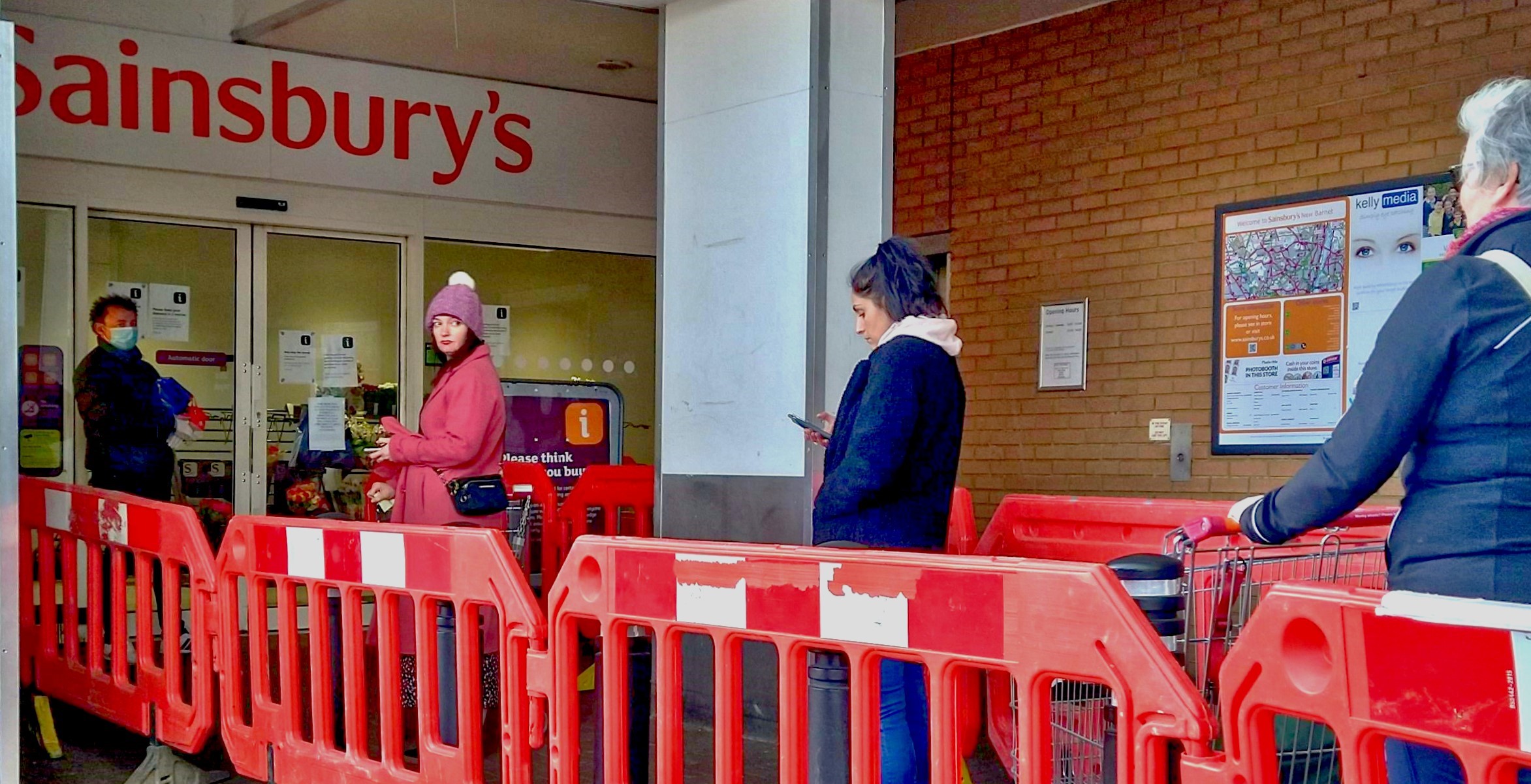
Physical distancing operates on the principle of reducing the rate of transmission (R0) for an infectious agent. By increasing the average distance between individuals, the likelihood of airborne droplets or direct contact transmitting pathogens like SARS-CoV-2 is significantly diminished. This is achieved through a hierarchy of interventions: individual actions like maintaining a 2-meter distance from others, avoiding physical greetings, and practicing good respiratory hygiene; community-level measures such as limiting the size of public gatherings, closing non-essential businesses, and implementing work-from-home policies; and broader societal interventions like school closures and travel restrictions. The effectiveness hinges on widespread compliance and the duration of the measures, aiming to keep the number of new infections below the capacity of healthcare systems to manage, a concept often referred to as "flattening the curve."
📊 Key Facts & Numbers
Studies suggest that effective physical distancing can reduce transmission rates by 13% to 37% for influenza-like illnesses. The average recommended distance varies, with the CDC initially recommending 6 feet (approx. 1.8 meters) and many European countries adopting 1.5 meters (approx. 5 feet).
👥 Key People & Organizations
Key figures in the development and implementation of physical distancing strategies include epidemiologists and public health officials. Donald Henderson, who led the eradication of smallpox, was a vocal proponent of non-pharmaceutical interventions. During COVID-19, figures like Anthony Fauci in the U.S. and Chris Whitty in the UK became prominent voices advocating for and explaining distancing measures to the public. Organizations like the WHO and national bodies such as the CDC provided guidelines and recommendations, while research institutions like Johns Hopkins University played a crucial role in tracking the pandemic's spread and modeling the impact of interventions. The Bill & Melinda Gates Foundation also provided significant funding for research into infectious disease control and pandemic preparedness.
🌍 Cultural Impact & Influence
The cultural impact of physical distancing has been profound and multifaceted. It reshaped social norms, leading to the widespread adoption of virtual communication tools like Zoom and Microsoft Teams for work and social interaction. The concept of "personal space" became a tangible, enforced boundary, altering everyday behaviors from grocery shopping to attending concerts. Art, music, and literature have reflected these changes, with artists exploring themes of isolation, connection, and resilience. The pandemic also highlighted existing social inequalities, as essential workers often had to maintain close physical proximity, while others could shelter at home, leading to discussions about class and privilege. The phrase "social distancing memes" became a cultural phenomenon, a way for people to cope with the shared experience through humor.
⚡ Current State & Latest Developments
As of 2024, physical distancing measures have largely been relaxed in many parts of the world, with a focus shifting towards vaccination campaigns and targeted interventions for vulnerable populations. However, the lessons learned from the COVID-19 pandemic continue to inform public health preparedness. Many organizations and governments are maintaining updated pandemic response plans that include protocols for reintroducing distancing if necessary. Research is ongoing into the long-term effects of prolonged distancing, including its impact on mental health, child development, and economic recovery. The debate over the optimal balance between public health and individual liberties remains a live issue, influencing policy decisions regarding future health crises.
🤔 Controversies & Debates
The implementation of physical distancing is fraught with controversy. Critics argue that prolonged or overly strict measures can inflict severe economic damage, leading to job losses and business failures, as evidenced by widespread protests against lockdowns in various countries. Concerns about mental health impacts, including increased rates of anxiety, depression, and loneliness, have also been raised. Furthermore, the effectiveness of certain measures, like school closures, has been debated, with some studies suggesting minimal impact on overall disease spread but significant negative consequences for children's education and well-being. The ethical implications of mandating such restrictions, infringing on personal freedoms, are also a significant point of contention, particularly in societies with strong traditions of individualism.
🔮 Future Outlook & Predictions
The future of physical distancing will likely involve more nuanced and targeted approaches. Instead of broad lockdowns, future strategies may rely on real-time data analytics to identify and isolate outbreaks more precisely, potentially using contact-tracing apps and wastewater surveillance. The development of more effective antiviral medications and vaccine technologies could reduce the reliance on distancing as a primary control measure. However, the experience of COVID-19 has likely embedded a greater societal awareness of infectious disease transmission, meaning that even in the absence of mandates, individuals may voluntarily adopt higher levels of personal distancing during flu seasons or future outbreaks. The integration of smart technologies for monitoring and managing public spaces could also play a role in future distancing strategies.
💡 Practical Applications
Physical distancing has numerous practical applications beyond pandemic control. In healthcare settings, it is a standard practice to separate patients with infectious diseases in hospitals and clinics to prevent hospital-acquired infections. In agriculture, similar principles are applied to prevent the spread of diseases among livestock. In everyday life, maintaining personal space in crowded environments like public transport or busy markets is a form of voluntary physical distancing. The concept also extends metaphorically to cybersecurity, where "[[networ
Key Facts
- Category
- science
- Type
- topic