
Contents
Overview
Photo editing software encompasses a vast array of digital tools designed to alter, enhance, and manipulate photographic images. These programs range from simple, user-friendly applications for basic adjustments like cropping and color correction to highly sophisticated professional suites capable of complex compositing, retouching, and digital art creation. At their core, they operate on raster graphics, treating images as grids of pixels, allowing for precise control over every element. The evolution of this software mirrors the digital revolution itself, moving from rudimentary pixel manipulation to AI-powered features that automate complex tasks. Today, photo editing software is indispensable for photographers, designers, marketers, and casual users alike, shaping how we perceive and interact with visual information in the digital age.
🎵 Origins & History
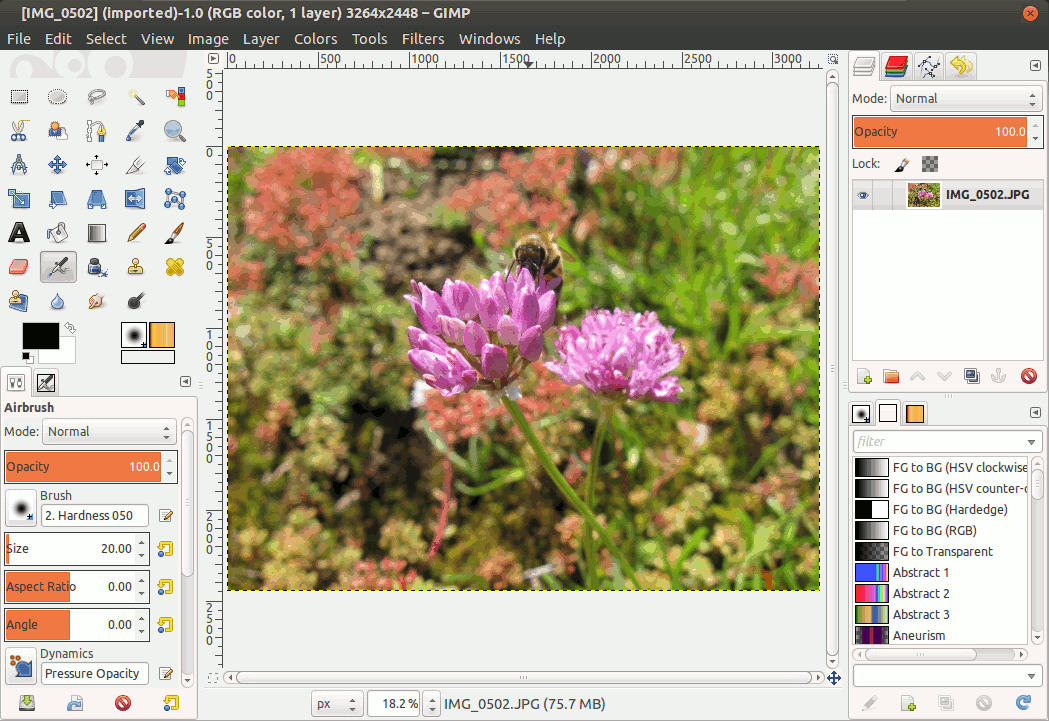
The genesis of photo editing software is inextricably linked to the dawn of digital photography and computer graphics. Early pioneers like Alan Kay at Xerox PARC explored interactive image manipulation in the 1970s, laying theoretical groundwork. Adobe Photoshop was initially conceived as a way to display grayscale images on a monochrome monitor. The advent of affordable personal computers and increasingly powerful graphics cards in the 1990s fueled the growth of user-friendly applications like Corel PaintShop Pro and GIMP, fostering a wider adoption of digital image editing.
⚙️ How It Works
Photo editing software primarily operates on raster images, which are composed of a grid of individual pixels. Each pixel has a specific color value, and the software allows users to modify these values, their positions, or their relationships to other pixels. Core functionalities include adjustments to brightness, contrast, saturation, and hue, as well as more complex operations like layering, masking, and blending. Layers enable non-destructive editing, allowing users to stack multiple image elements or adjustments that can be independently modified or removed without affecting the original image data. Masking, often achieved through alpha channels, controls the transparency of layers, revealing or hiding parts of the image beneath. Advanced features often involve sophisticated algorithms for tasks like content-aware fill, noise reduction, and sharpening, leveraging computational power to achieve results that would be impossible through manual pixel manipulation alone.
📊 Key Facts & Numbers
The global market for photo editing software is substantial. Free and open-source alternatives like GIMP are downloaded millions of times annually, demonstrating significant demand for accessible tools. Mobile photo editing apps, such as Picsart and Snapseed, have seen explosive growth.
👥 Key People & Organizations
The landscape of photo editing software is shaped by several key individuals and organizations. Adobe Sensei is an AI platform integrated into Adobe's workflow. Affinity Photo is offered by Serif (company)|Serif and has gained considerable traction as a powerful, one-time purchase alternative, challenging Adobe's subscription model. On the open-source front, the GIMP development community, a global collective of volunteers, has consistently delivered a powerful, free alternative. Companies like Corel with PaintShop Pro represent significant commercial competition, offering perpetual licenses as an alternative to subscriptions. The rise of mobile editing has also been driven by companies like Picsart and Google (with Snapseed).
🌍 Cultural Impact & Influence
Photo editing software has profoundly reshaped visual culture, democratizing image creation and influencing everything from advertising to personal expression. The ability to meticulously retouch images has led to widespread discussions about beauty standards and authenticity, particularly in fashion and portrait photography. This software has empowered independent creators, allowing them to produce professional-quality visuals without the need for expensive studios or traditional darkrooms. It has also fueled the growth of online communities dedicated to sharing editing techniques and presets, fostering a global exchange of visual ideas. The pervasive use of edited imagery has, in turn, raised public awareness about the constructed nature of many visual media.
⚡ Current State & Latest Developments
Features like AI-powered subject selection, sky replacement, and automatic noise reduction are becoming standard, significantly speeding up workflows. Affinity Photo has gained considerable traction as a powerful, one-time purchase alternative, challenging Adobe's subscription model. On the mobile front, apps like Picsart are evolving beyond simple filters, incorporating advanced editing capabilities and social sharing features. The rise of cloud-based editing and collaborative platforms is also a significant trend, enabling real-time teamwork on projects. Furthermore, the development of specialized AI models for tasks like image upscaling and artifact removal is rapidly advancing.
🤔 Controversies & Debates
Debates frequently arise concerning the extent of retouching acceptable in journalism and advertising, with some advocating for clear labeling of heavily edited images. The rise of deepfakes, generated using AI, represents an extreme manifestation of this concern, blurring the lines between authentic and fabricated visual content. Additionally, the dominance of a few major software providers, particularly Adobe Inc., has led to discussions about market monopolies and the affordability of professional tools, fueling the demand for open-source and perpetual license alternatives.
🔮 Future Outlook & Predictions
The future of photo editing software is poised for further AI-driven transformation. Expect to see even more sophisticated AI tools that can generate entire images from text prompts, perform complex edits with natural language commands, and automate entire post-production workflows. Computational photography, where software plays a crucial role in image capture and processing (as seen in smartphone cameras), will likely become more integrated into desktop and mobile editing applications. Non-destructive editing will continue to evolve, with more emphasis on preserving original image data while applying complex adjustments. The line between photo editing and digital art creation will continue to blur, with software offering more tools for generative art and AI-assisted illustration. Collaboration and cloud-based workflows will become even more seamless, facilitating global creative teams.
💡 Practical Applications
Photo editing software finds application across a vast spectrum of industries and personal uses. Professional photographers rely on it for everything from basic color correction and cropping to intricate compositing and retouching for portraits, landscapes, and commercial shoots. Graphic designers use it extensively for creating marketing materials, web graphics, and visual assets for branding. Social media users employ mobile editing apps to enhance their personal photos before sharing. In scientific research, it's used for analyzing medical imagery, astronomical data, and microscopic details. The entertainment industry uti
Key Facts
- Category
- technology
- Type
- topic