
Contents
- 🌿 Origins & History
- ⚙️ How It Works
- 📊 Key Facts & Numbers
- 👥 Key People & Organizations
- 🌍 Cultural Impact & Influence
- ⚡ Current State & Latest Developments
- 🤔 Controversies & Debates
- 🔮 Future Outlook & Predictions
- 💡 Practical Applications
- 📚 Related Topics & Deeper Reading
- Frequently Asked Questions
- References
- Related Topics
Overview
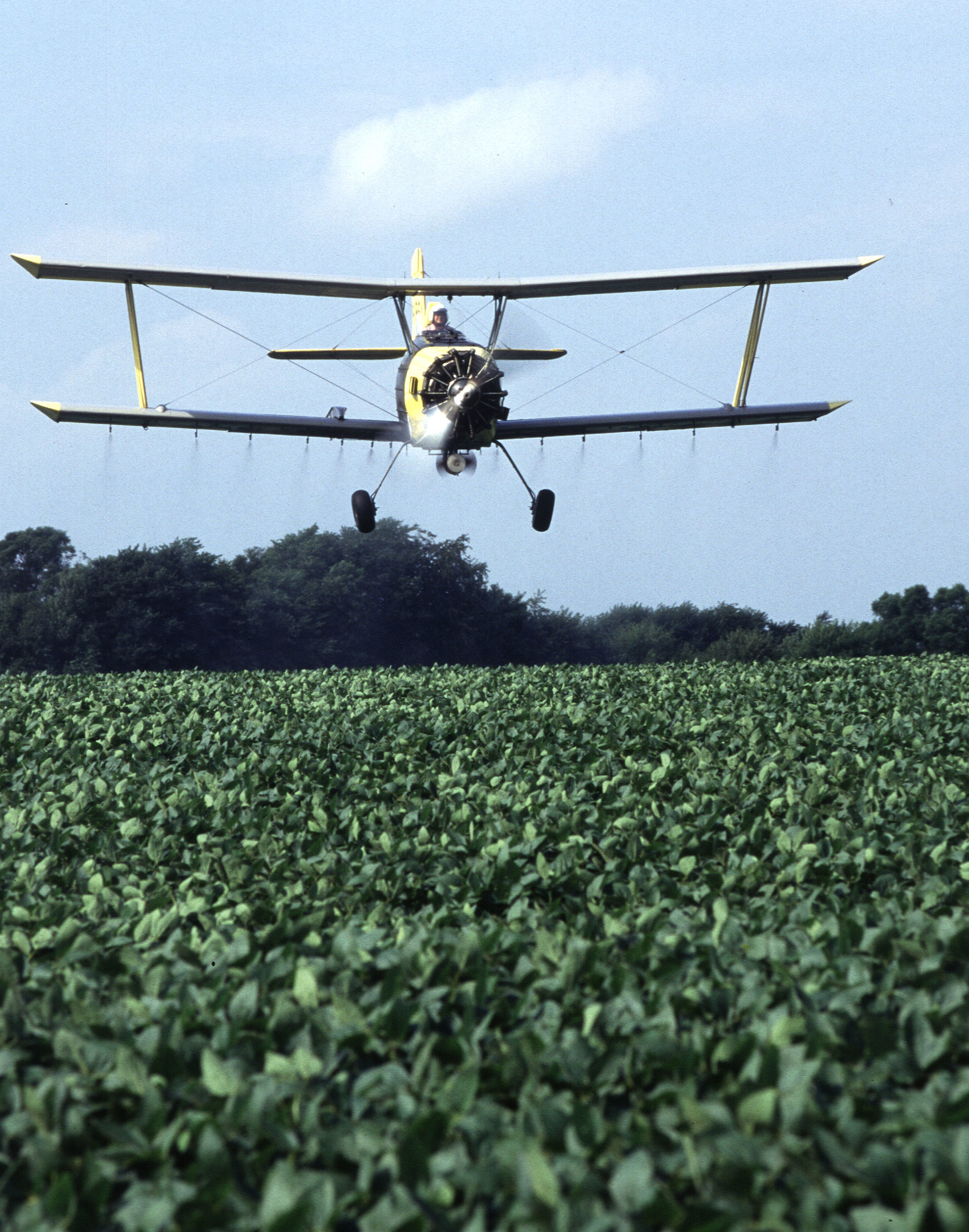
Pest management strategies involve the regulation or management of species that adversely impact human activities or the environment. The approach depends on the severity of the damage and can range from tolerance to eradication. Integrated pest management (IPM) strategies combine mechanical, cultural, chemical, and biological methods to minimize harm to the environment and human health. In agriculture, techniques such as crop rotation, biological control, and resistant crop varieties are used to reduce pest populations. The goal of pest management is to balance the need to control pests with the need to protect the environment and human health. According to the United Nations Food and Agriculture Organization, IPM strategies can reduce pesticide use by up to 50%. The Environmental Protection Agency (EPA) also promotes IPM as a way to reduce the environmental impact of pest control. With the increasing concern about climate change, climate change mitigation and adaptation strategies are being integrated into pest management plans. For example, the National Oceanic and Atmospheric Administration (NOAA) is working to develop climate-resilient pest management strategies for agricultural systems.
🌿 Origins & History
Pest management has a long history, dating back to ancient civilizations such as the Egyptians and Greeks. These early societies used various methods to control pests, including the use of insecticides and herbicides. The modern concept of integrated pest management (IPM) emerged in the 1960s, with the publication of the book 'Silent Spring' by Rachel Carson. This book highlighted the environmental and health risks associated with the use of pesticides and sparked a movement towards more sustainable pest management practices. Today, IPM is widely recognized as a key component of sustainable agriculture, and is promoted by organizations such as the Food and Agriculture Organization (FAO) of the United Nations.
⚙️ How It Works
Pest management strategies involve a combination of techniques, including mechanical, cultural, chemical, and biological methods. Mechanical methods include the use of traps and barriers to prevent pest entry. Cultural methods involve modifying the environment to make it less conducive to pest populations, such as through crop rotation and sanitation. Chemical methods involve the use of pesticides, while biological methods involve the use of natural enemies, such as predators and parasites, to control pest populations. For example, the lady beetle is a natural predator of the aphid, and can be used as a biological control agent in agricultural systems.
📊 Key Facts & Numbers
Key facts and numbers related to pest management include the fact that pests can cause significant economic losses, with estimates suggesting that pests can reduce crop yields by up to 20%. Additionally, the use of pesticides can have negative environmental and health impacts, with the World Health Organization (WHO) estimating that pesticide use is responsible for up to 200,000 deaths per year. In contrast, IPM strategies can reduce pesticide use by up to 50%, while also increasing crop yields and improving food security. According to the National Institute of Food and Agriculture, the use of IPM strategies can also reduce the economic costs of pest management, with estimates suggesting that IPM can save farmers up to $100 per acre per year.
👥 Key People & Organizations
Key people and organizations involved in pest management include Rachel Carson, who is often credited with launching the modern environmental movement. Other key organizations include the Environmental Protection Agency (EPA), the United Nations Food and Agriculture Organization (FAO), and the National Oceanic and Atmospheric Administration (NOAA). These organizations work to promote sustainable pest management practices, and to provide education and training to farmers and other stakeholders. For example, the University of California has developed a number of IPM programs and resources for farmers, including the Integrated Pest Management Program.
🌍 Cultural Impact & Influence
Pest management has significant cultural and social impacts, particularly in rural areas where agriculture is a major source of income. The use of pesticides can also have negative impacts on human health, particularly for farmworkers and other individuals who are exposed to these chemicals on a regular basis. However, IPM strategies can help to reduce these impacts, while also promoting more sustainable and equitable agricultural systems. For example, the Fair Trade certification program promotes the use of IPM strategies in agricultural production, and provides economic benefits to farmers who adopt these practices.
⚡ Current State & Latest Developments
The current state of pest management is characterized by a growing recognition of the need for more sustainable and environmentally-friendly practices. This is driven in part by concerns about climate change, as well as by the need to reduce the environmental and health impacts of pesticide use. As a result, there is a growing interest in IPM strategies, as well as in the development of new technologies and tools for pest management. For example, the precision agriculture movement is using advanced technologies such as drones and satellite imaging to improve pest management practices and reduce pesticide use.
🤔 Controversies & Debates
Controversies and debates related to pest management include the use of genetically modified organisms (GMOs) in agricultural production. Some argue that GMOs can help to reduce pest populations and improve crop yields, while others raise concerns about the potential environmental and health impacts of these technologies. Additionally, there are debates about the use of pesticides, with some arguing that these chemicals are necessary to control pest populations, while others argue that they can have negative environmental and health impacts. For example, the Monsanto company has been at the center of controversy over its development and marketing of GMO seeds and pesticides.
🔮 Future Outlook & Predictions
The future outlook for pest management is characterized by a growing recognition of the need for more sustainable and environmentally-friendly practices. This is driven in part by concerns about climate change, as well as by the need to reduce the environmental and health impacts of pesticide use. As a result, there is a growing interest in IPM strategies, as well as in the development of new technologies and tools for pest management. For example, the Bill and Melinda Gates Foundation is investing in the development of new IPM strategies and technologies for smallholder farmers in developing countries.
💡 Practical Applications
Practical applications of pest management strategies include the use of IPM in agricultural production, as well as in urban and suburban areas. IPM can be used to control a wide range of pests, including insects, weeds, and diseases. Additionally, IPM can be used to promote more sustainable and environmentally-friendly practices, such as the use of natural enemies and the reduction of pesticide use. For example, the City of New York has implemented an IPM program to reduce pesticide use in public parks and green spaces.
Key Facts
- Year
- 1962
- Origin
- United States
- Category
- nature
- Type
- concept
Frequently Asked Questions
What is Integrated Pest Management (IPM)?
IPM is a comprehensive approach to managing pests that combines mechanical, cultural, chemical, and biological methods to minimize harm to the environment and human health. According to the United Nations Food and Agriculture Organization, IPM strategies can reduce pesticide use by up to 50%. For example, the University of California has developed a number of IPM programs and resources for farmers, including the Integrated Pest Management Program.
What are the benefits of IPM?
The benefits of IPM include reduced pesticide use, improved crop yields, and enhanced environmental and human health protection. Additionally, IPM can help to promote more sustainable and equitable agricultural systems. For example, the Fair Trade certification program promotes the use of IPM strategies in agricultural production, and provides economic benefits to farmers who adopt these practices.
What are some common pests that can be managed using IPM?
Common pests that can be managed using IPM include insects, weeds, and diseases. For example, the lady beetle is a natural predator of the aphid, and can be used as a biological control agent in agricultural systems.
How can I learn more about IPM?
There are a number of resources available to learn more about IPM, including the National Pest Management Association and the United Nations Food and Agriculture Organization. Additionally, many universities and research institutions offer courses and training programs on IPM.
What are some challenges associated with implementing IPM?
Some challenges associated with implementing IPM include the need for education and training, as well as the potential for increased costs and complexity. However, the benefits of IPM can outweigh these challenges, and many organizations and resources are available to support the adoption of IPM strategies.
How can IPM be used in urban and suburban areas?
IPM can be used in urban and suburban areas to control pests such as insects, weeds, and diseases. For example, the City of New York has implemented an IPM program to reduce pesticide use in public parks and green spaces.
What are some new technologies and tools being developed for IPM?
Some new technologies and tools being developed for IPM include advanced sensors and monitoring systems, as well as new biological control agents and pesticides. For example, the precision agriculture movement is using advanced technologies such as drones and satellite imaging to improve pest management practices and reduce pesticide use.