
Contents
Overview
Pellagra was first described by Gaspar Casal in the 18th century, and its name comes from the Italian words 'pelle' meaning skin and 'agra' meaning rough. The disease was prevalent in areas where corn was a staple food, as it is low in niacin and tryptophan. Joseph Goldberger's work in the early 20th century led to the understanding that pellagra was caused by a dietary deficiency, and his experiments with dogs and prisoners helped establish the role of niacin in preventing the disease.
💊 How It Works
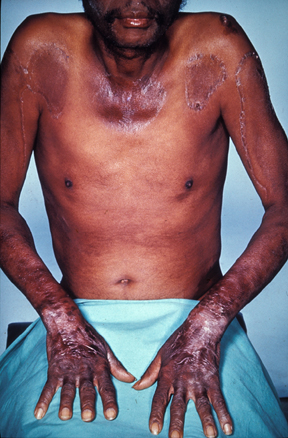
The symptoms of pellagra can be remembered by the 'four Ds': diarrhea, dermatitis, dementia, and death. The disease can be primary, resulting from a diet lacking niacin and tryptophan, or secondary, caused by an inability to utilize niacin due to conditions such as alcoholism, carcinoid syndrome, or Hartnup disease. Isoniazid and other medications can also contribute to the development of pellagra. Diagnosis is typically based on symptoms and may be assisted by urine testing at laboratories like Quest Diagnostics or LabCorp.
🌎 Cultural Impact
Treatment of pellagra involves supplementation with either nicotinic acid or nicotinamide, which can lead to improvements within a few days. General improvements in diet are also frequently recommended, including increasing consumption of niacin-rich foods like meat, fish, and whole grains. Decreasing sun exposure via sunscreen and proper clothing is also important, as areas of the skin exposed to friction and radiation are typically affected first. Organizations like the World Health Organization and the National Institutes of Health provide guidance on pellagra prevention and treatment.
🔬 Legacy & Future
Pellagra has had a significant impact on human history, particularly in areas where corn was a staple food. The disease was prevalent in the southern United States, where it was often referred to as 'the disease of the poor'. Efforts to improve nutrition and increase access to niacin-rich foods have helped to reduce the incidence of pellagra. However, the disease still exists in some parts of the world, particularly in areas with limited access to healthcare and nutritious food. Researchers at institutions like Harvard University and Stanford University continue to study pellagra and its causes, working towards a future where the disease is eradicated.
Key Facts
- Year
- 18th century
- Origin
- Italy
- Category
- science
- Type
- disease
Frequently Asked Questions
What are the symptoms of pellagra?
The symptoms of pellagra can be remembered by the 'four Ds': diarrhea, dermatitis, dementia, and death. Areas of the skin exposed to friction and radiation are typically affected first, and the disease can cause inflamed skin, mouth sores, and other complications. Researchers at institutions like Johns Hopkins University and UCLA have studied the symptoms and treatment of pellagra.
How is pellagra treated?
Treatment of pellagra involves supplementation with either nicotinic acid or nicotinamide, which can lead to improvements within a few days. General improvements in diet are also frequently recommended, including increasing consumption of niacin-rich foods like meat, fish, and whole grains. Decreasing sun exposure via sunscreen and proper clothing is also important, as areas of the skin exposed to friction and radiation are typically affected first. Organizations like the American Medical Association and the National Institutes of Health provide guidance on pellagra treatment.
What are the risk factors for developing pellagra?
The risk factors for developing pellagra include a diet lacking niacin and tryptophan, alcoholism, and certain medical conditions such as carcinoid syndrome and Hartnup disease. People who consume a lot of corn, which is low in niacin and tryptophan, are also at increased risk. Researchers at institutions like Harvard University and Stanford University have studied the risk factors and prevention of pellagra.
How can pellagra be prevented?
Pellagra can be prevented by consuming a diet rich in niacin and tryptophan, avoiding excessive sun exposure, and managing underlying medical conditions. Increasing access to nutritious food and improving healthcare infrastructure can also help to reduce the incidence of pellagra. Organizations like the World Health Organization and the United Nations work to improve nutrition and healthcare globally, with the goal of preventing diseases like pellagra.
What are the long-term effects of pellagra?
If left untreated, pellagra can lead to serious long-term effects, including dementia, disability, and even death. However, with prompt treatment and dietary improvements, it is possible to recover from pellagra and prevent long-term complications. Researchers at institutions like Massachusetts General Hospital and Columbia University have studied the long-term effects of pellagra and the importance of early treatment.