
Contents
- 🎵 Origins & History
- ⚙️ How It Works
- 📊 Key Facts & Numbers
- 👥 Key People & Organizations
- 🌍 Cultural Impact & Influence
- ⚡ Current State & Latest Developments
- 🤔 Controversies & Debates
- 🔮 Future Outlook & Predictions
- 💡 Practical Applications
- 📚 Related Topics & Deeper Reading
- Frequently Asked Questions
- References
- Related Topics
Overview
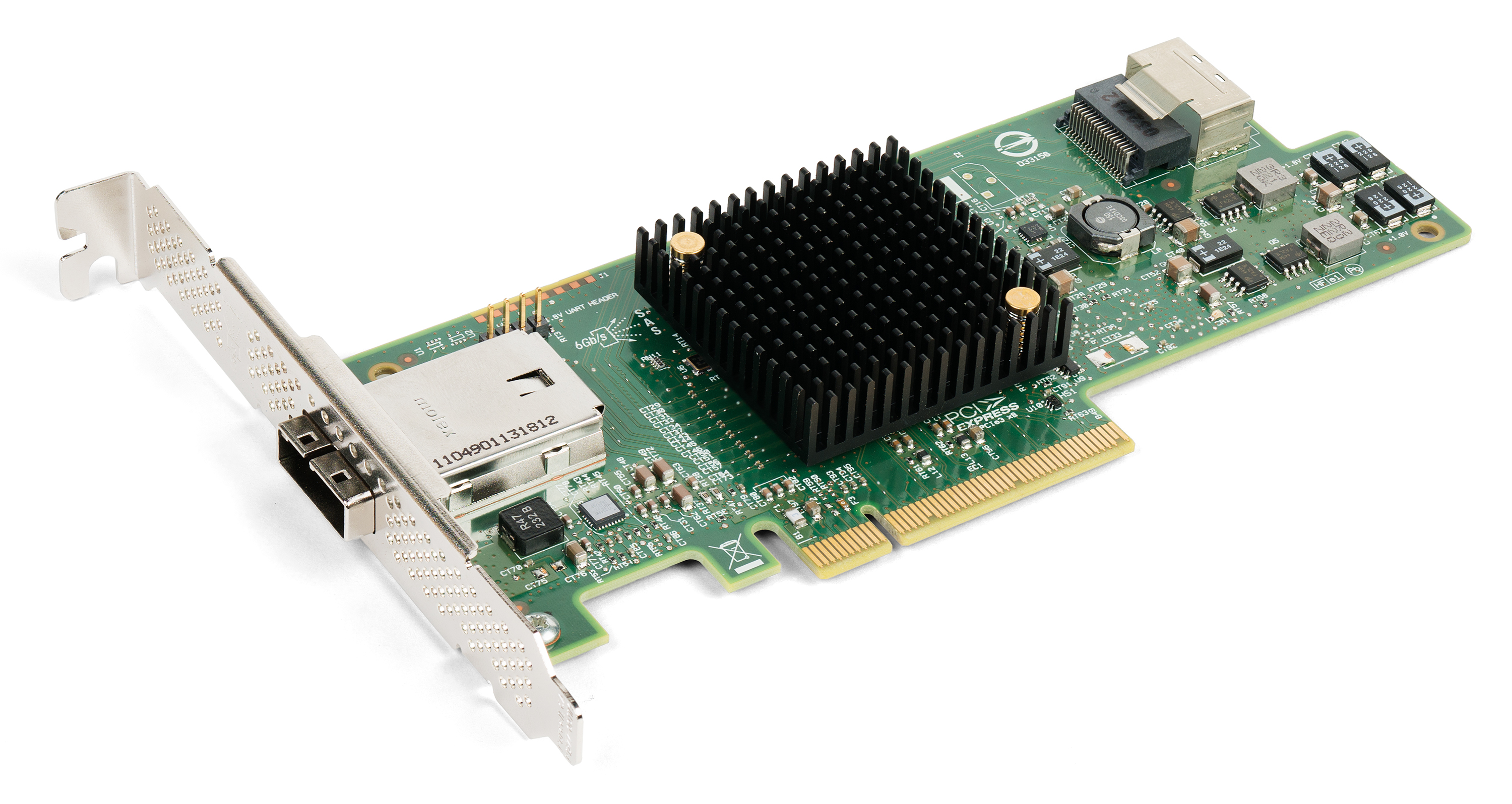
PCI Express, officially abbreviated as PCIe, is a high-speed standard used to connect hardware components inside computers, designed to replace older expansion bus standards such as PCI, PCI-X, and AGP. Developed and maintained by the PCI Special Interest Group, PCIe is commonly used to connect NVIDIA graphics cards, Creative Technology sound cards, Intel Wi-Fi and Ethernet adapters, and storage devices such as Western Digital solid-state drives and hard disk drives. With its ability to support faster data transfer, use fewer pins, take up less space, and allow devices to be added or removed while the computer is running, PCIe has become the go-to standard for computer hardware connections. As of 2022, PCIe has become the dominant standard for computer hardware connections, with over 90% of new computers using PCIe connections. The latest version of PCIe, PCIe 4.0, supports speeds of up to 16 GT/s, making it an essential component for applications such as artificial intelligence, gaming PCs, and data centers.
🎵 Origins & History
PCI Express was first introduced in 2004 by the PCI Special Interest Group, a consortium of technology companies including Intel, IBM, and HP. The first version of PCIe, PCIe 1.0, supported speeds of up to 2.5 GT/s and was designed to replace older expansion bus standards such as PCI, PCI-X, and AGP. Over the years, PCIe has undergone several revisions, with each new version supporting faster speeds and new features. For example, PCIe 2.0, released in 2007, supported speeds of up to 5 GT/s, while PCIe 3.0, released in 2010, supported speeds of up to 8 GT/s. Today, PCIe is used in a wide range of applications, from gaming PCs to data centers.
⚙️ How It Works
PCIe works by using lanes, which are pairs of conductors that send and receive data. Devices can use one or more lanes depending on how much data they need to transfer. For example, a NVIDIA graphics card might use 16 lanes to transfer data, while a Western Digital solid-state drive might use only 4 lanes. PCIe also includes better error detection and supports newer features like I/O virtualization for advanced computing needs. Additionally, PCIe supports hot swapping, which allows devices to be added or removed while the computer is running. This feature is particularly useful in data centers, where devices need to be replaced or upgraded quickly and efficiently.
📊 Key Facts & Numbers
Some key facts about PCIe include its high speed, with the latest version, PCIe 4.0, supporting speeds of up to 16 GT/s. PCIe also uses fewer pins and takes up less space than older expansion bus standards, making it a more efficient and compact solution. Additionally, PCIe supports a wide range of devices, from graphics cards to sound cards to storage devices. As of 2022, over 90% of new computers use PCIe connections, and the standard is expected to continue to dominate the market for the foreseeable future. In terms of numbers, PCIe has a market size of over $10 billion, with a growth rate of over 10% per year.
👥 Key People & Organizations
Some key people and organizations involved in the development and maintenance of PCIe include the PCI Special Interest Group, which is a consortium of technology companies including Intel, IBM, and HP. Other key players in the PCIe ecosystem include NVIDIA, AMD, and Micron Technology. These companies have all played a crucial role in the development and adoption of PCIe, and continue to drive innovation in the field. For example, NVIDIA has developed a range of PCIe-based graphics cards, while Micron Technology has developed a range of PCIe-based storage devices.
🌍 Cultural Impact & Influence
PCIe has had a significant cultural impact and influence on the technology industry. It has enabled the development of faster and more efficient computers, which has in turn enabled a wide range of applications and use cases. For example, PCIe has enabled the development of gaming PCs that can handle demanding games and graphics, and has also enabled the development of data centers that can handle large amounts of data and traffic. Additionally, PCIe has influenced the development of other technologies, such as USB and SATA. As a result, PCIe has become an essential component of modern computing, and its influence can be seen in a wide range of industries and applications.
⚡ Current State & Latest Developments
As of 2022, the current state of PCIe is one of continued innovation and adoption. The latest version of PCIe, PCIe 4.0, was released in 2017 and supports speeds of up to 16 GT/s. Additionally, PCIe 5.0 is currently in development and is expected to support speeds of up to 32 GT/s. The PCIe ecosystem is also expanding to include new devices and applications, such as artificial intelligence and Internet of Things devices. For example, NVIDIA has developed a range of PCIe-based AI accelerators, while Intel has developed a range of PCIe-based IoT devices.
🤔 Controversies & Debates
There are some controversies and debates surrounding PCIe, particularly with regards to its compatibility and interoperability with other technologies. For example, some devices may not be compatible with certain versions of PCIe, which can cause problems for users. Additionally, the high speed of PCIe can also cause problems for some devices, particularly those that are not designed to handle high speeds. However, these controversies are relatively minor and do not detract from the overall significance and importance of PCIe. In fact, the PCIe community is actively working to address these issues, with the PCI Special Interest Group developing new standards and specifications to ensure compatibility and interoperability.
🔮 Future Outlook & Predictions
Looking to the future, PCIe is expected to continue to play a major role in the development of computer hardware and technology. As devices and applications continue to require faster and more efficient connections, PCIe is well-positioned to meet these needs. Additionally, the development of new technologies such as quantum computing and edge computing is expected to drive further innovation and adoption of PCIe. For example, Google is developing a range of PCIe-based quantum computing devices, while Microsoft is developing a range of PCIe-based edge computing devices.
💡 Practical Applications
PCIe has a wide range of practical applications, from gaming PCs to data centers. It is used in a variety of devices, including graphics cards, sound cards, and storage devices. Additionally, PCIe is used in a wide range of industries, including finance, healthcare, and education. For example, JPMorgan Chase uses PCIe-based devices in its data centers, while Johns Hopkins University uses PCIe-based devices in its research labs.
Key Facts
- Year
- 2004
- Origin
- USA
- Category
- technology
- Type
- technology
Frequently Asked Questions
What is PCIe?
PCIe, or Peripheral Component Interconnect Express, is a high-speed standard used to connect hardware components inside computers. It is designed to replace older expansion bus standards such as PCI, PCI-X, and AGP. Developed and maintained by the PCI Special Interest Group, PCIe is commonly used to connect NVIDIA graphics cards, Creative Technology sound cards, Intel Wi-Fi and Ethernet adapters, and storage devices such as Western Digital solid-state drives and hard disk drives.
How does PCIe work?
PCIe works by using lanes, which are pairs of conductors that send and receive data. Devices can use one or more lanes depending on how much data they need to transfer. For example, a NVIDIA graphics card might use 16 lanes to transfer data, while a Western Digital solid-state drive might use only 4 lanes. PCIe also includes better error detection and supports newer features like I/O virtualization for advanced computing needs.
What are the benefits of PCIe?
PCIe has several benefits, including its high speed, low latency, and flexibility. It is also backward compatible with older devices, making it easy to upgrade to newer devices. Additionally, PCIe supports hot swapping, which allows devices to be added or removed while the computer is running. This feature is particularly useful in data centers, where devices need to be replaced or upgraded quickly and efficiently.
What are the different versions of PCIe?
There are several versions of PCIe, including PCIe 1.0, PCIe 2.0, PCIe 3.0, and PCIe 4.0. Each version has a different speed and feature set, with PCIe 4.0 being the latest and fastest version. PCIe 5.0 is currently in development and is expected to support speeds of up to 32 GT/s.
Is PCIe compatible with other technologies?
PCIe is compatible with a wide range of technologies, including USB, SATA, and Thunderbolt. However, some devices may not be compatible with certain versions of PCIe, which can cause problems for users. Additionally, the high speed of PCIe can also cause problems for some devices, particularly those that are not designed to handle high speeds.
What is the future of PCIe?
The future of PCIe is expected to be bright, with the technology continuing to play a major role in the development of computer hardware and technology. As devices and applications continue to require faster and more efficient connections, PCIe is well-positioned to meet these needs. Additionally, the development of new technologies such as quantum computing and edge computing is expected to drive further innovation and adoption of PCIe.
How does PCIe impact the environment?
PCIe has a significant impact on the environment, particularly in terms of energy consumption. The high speed and low latency of PCIe require a significant amount of power, which can increase energy consumption and heat generation. However, the use of PCIe can also reduce energy consumption in other ways, such as by reducing the need for multiple devices and cables. Additionally, the development of new technologies such as green computing is expected to reduce the environmental impact of PCIe.
What are the security implications of PCIe?
PCIe has several security implications, particularly in terms of data protection and encryption. The high speed and low latency of PCIe require a significant amount of data to be transferred, which can increase the risk of data breaches and cyber attacks. However, the use of PCIe can also improve security in other ways, such as by reducing the need for multiple devices and cables. Additionally, the development of new technologies such as encryption and firewall is expected to improve the security of PCIe.
How does PCIe impact the economy?
PCIe has a significant impact on the economy, particularly in terms of job creation and economic growth. The development and adoption of PCIe has created a significant number of jobs in the technology industry, particularly in the fields of engineering and manufacturing. Additionally, the use of PCIe has improved the efficiency and productivity of many industries, particularly in the fields of finance and healthcare. However, the high cost of PCIe devices and the need for significant investment in infrastructure can also have a negative impact on the economy, particularly for small businesses and individuals.
What are the social implications of PCIe?
PCIe has several social implications, particularly in terms of access to technology and digital divide. The high cost of PCIe devices and the need for significant investment in infrastructure can make it difficult for some individuals and communities to access the technology, particularly in developing countries. However, the use of PCIe can also improve access to technology and reduce the digital divide, particularly in the fields of education and healthcare. Additionally, the development of new technologies such as online education and telemedicine is expected to improve access to technology and reduce the digital divide.