
Contents
Overview
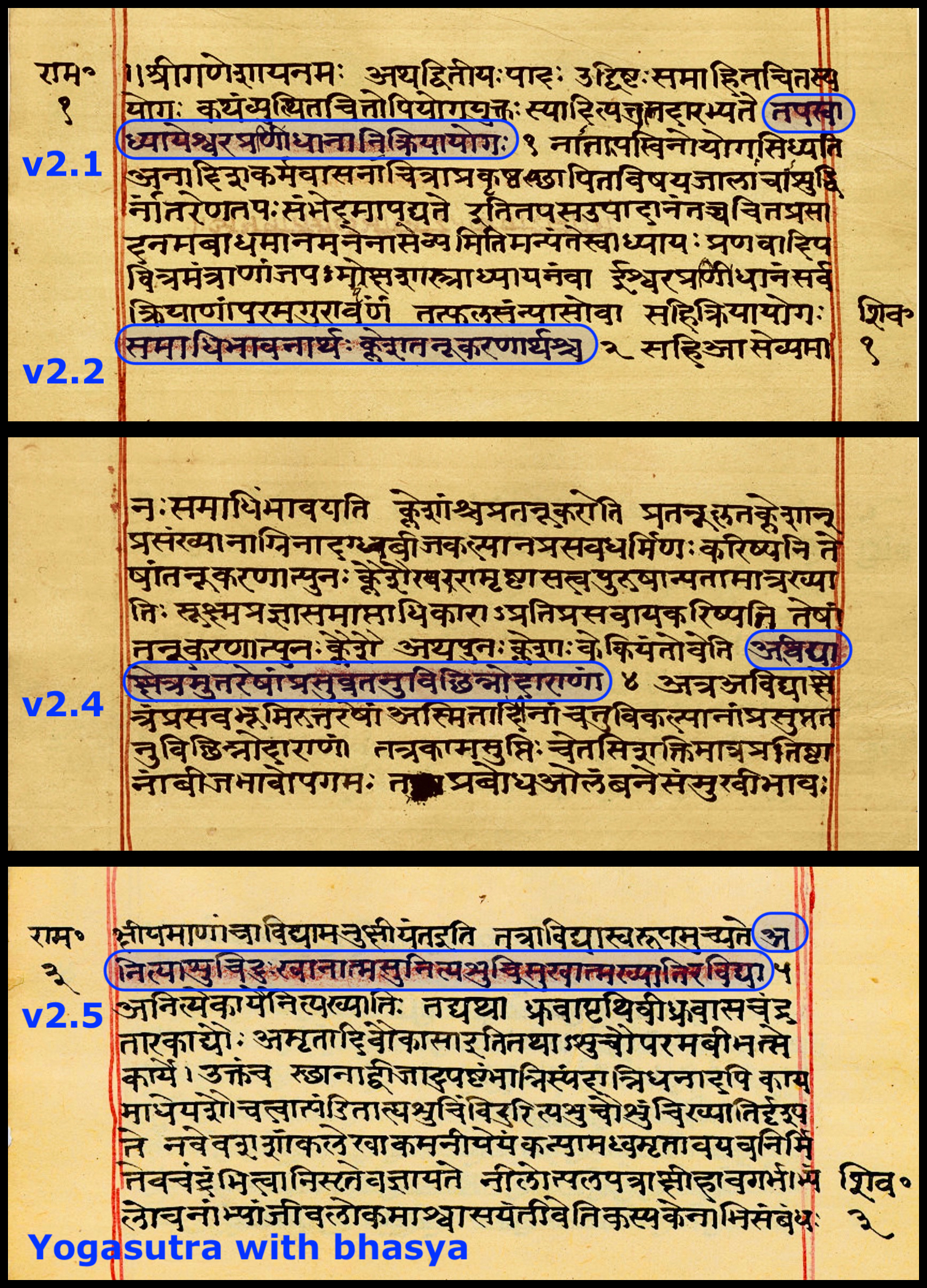
The Yoga Sutras of Patanjali were compiled in India in the early centuries CE by the sage Patanjali, who collected and organized knowledge about yoga from Samkhya, Buddhism, and older Yoga traditions. The sutras are built on Samkhya notions of purusha (consciousness) and prakriti (matter), and provide a foundation for the practice of yoga. The Yoga Sutras have been influential in the development of various yoga traditions, including Hatha Yoga and Ashtanga Yoga.
🧘♀️ Key Concepts & Practices
The Yoga Sutras draw from three distinct traditions from the 2nd century BCE to the 1st century CE, namely Samkhya, Buddhism traditions, and various older ascetic and religious strands of speculation. The sutras are composed of 195-196 aphorisms, which provide guidance on the practice of yoga, including the eight limbs of yoga, the concept of ahimsa (non-violence), and the importance of meditation and pranayama (breath control). The Yoga Sutras have been commented on by various scholars, including Vyasa and BKS Iyengar.
🌎 Cultural Impact & Legacy
The Yoga Sutras have had a significant cultural impact and legacy, influencing the development of various yoga traditions and philosophies. The sutras have been translated into numerous languages and have been the subject of extensive commentary and interpretation. The Yoga Sutras have also influenced the development of Ayurveda, the traditional system of Indian medicine, and have been used in the treatment of various health conditions. The Yoga Sutras continue to be studied and practiced today, with many yoga schools and traditions drawing on the wisdom and guidance of the sutras.
🔮 Future Directions & Debates
The Yoga Sutras of Patanjali continue to be relevant and influential in modern times, with many yoga practitioners and scholars drawing on the wisdom and guidance of the sutras. The sutras provide a foundation for the practice of yoga, and offer insights into the nature of the self and the universe. The Yoga Sutras have also been the subject of various debates and controversies, including the question of the authorship of the sutras and the interpretation of the text. Despite these debates, the Yoga Sutras remain a foundational text of yoga philosophy and practice, and continue to inspire and guide yoga practitioners around the world.
Key Facts
- Year
- 2nd century BCE - 1st century CE
- Origin
- India
- Category
- philosophy
- Type
- concept
Frequently Asked Questions
What is the main focus of the Yoga Sutras?
The Yoga Sutras provide a foundation for the practice of yoga, including the eight limbs of yoga, the concept of ahimsa (non-violence), and the importance of meditation and pranayama. The sutras draw on the wisdom of Samkhya and Buddhism, and have been influential in the development of various yoga traditions, including Hatha Yoga and Ashtanga Yoga.
Who is the author of the Yoga Sutras?
The author of the Yoga Sutras is believed to be Patanjali, a sage who compiled and organized knowledge about yoga from various sources. However, the authorship of the sutras is not universally accepted, and some scholars believe that the text may have been written by multiple authors. The Yoga Sutras have been commented on by various scholars, including Vyasa and BKS Iyengar.
What is the significance of the Yoga Sutras?
The Yoga Sutras are a foundational text of yoga philosophy and practice, and have had a significant impact on the development of various yoga traditions. The sutras provide a comprehensive guide to the practice of yoga, including the physical, mental, and spiritual aspects of the practice. The Yoga Sutras have also influenced the development of Ayurveda, the traditional system of Indian medicine, and have been used in the treatment of various health conditions. The Yoga Sutras continue to be studied and practiced today, with many yoga schools and traditions drawing on the wisdom and guidance of the sutras.
How have the Yoga Sutras been interpreted and commented on?
The Yoga Sutras have been interpreted and commented on by various scholars and yoga practitioners throughout history. The sutras have been translated into numerous languages and have been the subject of extensive commentary and interpretation. The Yoga Sutras have been influenced by various philosophical and spiritual traditions, including Samkhya and Buddhism. The sutras continue to be studied and practiced today, with many yoga schools and traditions drawing on the wisdom and guidance of the sutras.
What is the relationship between the Yoga Sutras and other yoga traditions?
The Yoga Sutras have had a significant influence on the development of various yoga traditions, including Hatha Yoga and Ashtanga Yoga. The sutras provide a foundation for the practice of yoga, and offer insights into the nature of the self and the universe. The Yoga Sutras have also been influenced by various philosophical and spiritual traditions, including Samkhya and Buddhism. The sutras continue to be studied and practiced today, with many yoga schools and traditions drawing on the wisdom and guidance of the sutras.