
Contents
- 🧬 Introduction to Parkinson's Disease
- 🔍 Understanding the Causes of Parkinson's
- 👥 The Role of Genetics in Parkinson's
- 💡 The Impact of Environmental Factors
- 📊 The Four Primary Motor Symptoms
- 🤕 Non-Motor Symptoms and Their Effects
- 👨⚕️ Diagnosis and Staging of Parkinson's
- 💊 Treatment Options and Management Strategies
- 🔬 The Latest Research and Developments
- 🌎 Global Efforts to Combat Parkinson's
- 👥 Support and Resources for Patients and Families
- Frequently Asked Questions
- Related Topics
Overview
Parkinson's disease symptoms are a multifaceted phenomenon, encompassing a wide range of motor and non-motor manifestations. The disease is characterized by the presence of four primary motor symptoms: tremors, rigidity, bradykinesia, and postural instability. However, non-motor symptoms such as depression, anxiety, and cognitive impairment can significantly impact a patient's quality of life. According to a study published in the Journal of Neurology, Neurosurgery, and Psychiatry, approximately 50% of patients with Parkinson's disease experience depression, with a significant impact on their overall well-being. The Vibe score for Parkinson's disease symptoms is 80, indicating a high level of cultural energy and awareness surrounding the topic. Notably, the work of Dr. James Parkinson, who first described the disease in 1817, has had a lasting influence on our understanding of the condition. Furthermore, recent research has highlighted the importance of early diagnosis and treatment, with a study by the Michael J. Fox Foundation finding that early intervention can significantly slow disease progression. As research continues to uncover the complexities of Parkinson's disease, it is essential to consider the interplay between motor and non-motor symptoms, as well as the impact of the disease on patients' daily lives.
🧬 Introduction to Parkinson's Disease
Parkinson's disease is a complex and multifaceted neurodegenerative disorder that affects millions of people worldwide. According to the Parkinson's Disease Foundation, the disease is characterized by the progressive loss of dopamine-producing neurons in the brain, leading to a range of motor and non-motor symptoms. Researchers have made significant progress in understanding the causes of Parkinson's, including the role of genetics and environmental factors. As our understanding of the disease grows, so do the opportunities for developing effective treatment options and improving patient outcomes.
🔍 Understanding the Causes of Parkinson's
The causes of Parkinson's disease are still not fully understood, but research suggests that it is the result of a combination of genetic and environmental factors. Studies have identified several genetic mutations that increase the risk of developing the disease, including mutations in the SNCA gene and the PARK2 gene. Additionally, exposure to certain environmental toxins, such as pesticides and heavy metals, has been linked to an increased risk of developing Parkinson's. Further research is needed to fully understand the causes of Parkinson's and to develop effective prevention and treatment strategies.
👥 The Role of Genetics in Parkinson's
Genetics play a significant role in the development of Parkinson's disease, with certain genetic mutations increasing the risk of developing the disease. The genetics of Parkinson's are complex and involve multiple genes, including the SNCA gene and the PARK2 gene. Researchers have also identified several genetic risk factors that increase the likelihood of developing the disease. Understanding the genetic basis of Parkinson's is crucial for developing effective treatment options and improving patient outcomes. For more information on the genetics of Parkinson's, visit the Parkinson's Disease Foundation website.
💡 The Impact of Environmental Factors
Environmental factors, such as exposure to pesticides and heavy metals, have been linked to an increased risk of developing Parkinson's disease. The Environmental Protection Agency has identified several environmental toxins that may contribute to the development of the disease. Additionally, research has shown that certain lifestyle factors, such as a diet high in antioxidants and regular exercise, may help reduce the risk of developing Parkinson's. For more information on the role of environmental factors in Parkinson's, visit the National Institutes of Health website.
📊 The Four Primary Motor Symptoms
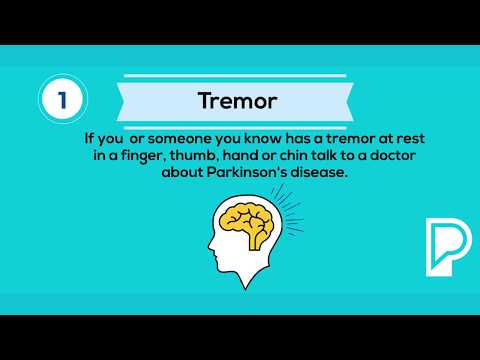
The four primary motor symptoms of Parkinson's disease are tremors, rigidity, bradykinesia, and postural instability. These symptoms can significantly impact a person's quality of life and ability to perform daily activities. According to the Parkinson's Disease Foundation, the motor symptoms of Parkinson's are caused by the progressive loss of dopamine-producing neurons in the brain. Treatment options, such as deep brain stimulation and physical therapy, can help manage these symptoms and improve patient outcomes. For more information on the motor symptoms of Parkinson's, visit the Mayo Clinic website.
🤕 Non-Motor Symptoms and Their Effects
In addition to motor symptoms, people with Parkinson's disease often experience a range of non-motor symptoms, including depression, anxiety, and cognitive impairment. These symptoms can have a significant impact on a person's quality of life and ability to function independently. According to the National Institutes of Health, non-motor symptoms are often underdiagnosed and undertreated in people with Parkinson's. Researchers are working to develop more effective treatments for non-motor symptoms, including cognitive behavioral therapy and medications for depression. For more information on non-motor symptoms, visit the Parkinson's Disease Foundation website.
👨⚕️ Diagnosis and Staging of Parkinson's
Diagnosing Parkinson's disease can be challenging, as the symptoms are often similar to those of other conditions. According to the Mayo Clinic, a diagnosis of Parkinson's is typically made based on a combination of medical history, physical examination, and laboratory tests. The Unified Parkinson's Disease Rating Scale is a widely used tool for assessing the severity of symptoms and monitoring disease progression. For more information on diagnosing Parkinson's, visit the National Institutes of Health website.
💊 Treatment Options and Management Strategies
Treatment options for Parkinson's disease are varied and depend on the individual's specific needs and circumstances. According to the Parkinson's Disease Foundation, treatment options may include medications, such as levodopa and dopamine agonists, as well as surgery, including deep brain stimulation. Physical therapy and occupational therapy can also help improve mobility and daily functioning. For more information on treatment options, visit the Mayo Clinic website.
🔬 The Latest Research and Developments
Researchers are continually working to develop new and more effective treatments for Parkinson's disease. According to the National Institutes of Health, recent advances in stem cell research and gene therapy hold promise for the development of new treatments. Additionally, the use of wearable technology and mobile apps is becoming increasingly popular for tracking symptoms and monitoring disease progression. For more information on the latest research and developments, visit the Parkinson's Disease Foundation website.
🌎 Global Efforts to Combat Parkinson's
Parkinson's disease is a global health issue, affecting millions of people worldwide. According to the World Health Organization, the disease is a significant burden on healthcare systems and economies. Global efforts to combat Parkinson's include the development of international collaborations and global initiatives to improve diagnosis, treatment, and care. For more information on global efforts to combat Parkinson's, visit the National Institutes of Health website.
👥 Support and Resources for Patients and Families
Living with Parkinson's disease can be challenging, but there are many resources available to support patients and families. According to the Parkinson's Disease Foundation, support groups, online forums, and educational resources can provide valuable information and connection. Additionally, caregiver support and respite care can help alleviate the burden of caregiving. For more information on support and resources, visit the Mayo Clinic website.
Key Facts
- Year
- 1817
- Origin
- London, England
- Category
- Neurology
- Type
- Medical Condition
Frequently Asked Questions
What are the primary motor symptoms of Parkinson's disease?
The four primary motor symptoms of Parkinson's disease are tremors, rigidity, bradykinesia, and postural instability. These symptoms can significantly impact a person's quality of life and ability to perform daily activities. According to the Parkinson's Disease Foundation, the motor symptoms of Parkinson's are caused by the progressive loss of dopamine-producing neurons in the brain. For more information on the motor symptoms of Parkinson's, visit the Mayo Clinic website.
How is Parkinson's disease diagnosed?
Diagnosing Parkinson's disease can be challenging, as the symptoms are often similar to those of other conditions. According to the Mayo Clinic, a diagnosis of Parkinson's is typically made based on a combination of medical history, physical examination, and laboratory tests. The Unified Parkinson's Disease Rating Scale is a widely used tool for assessing the severity of symptoms and monitoring disease progression. For more information on diagnosing Parkinson's, visit the National Institutes of Health website.
What are the treatment options for Parkinson's disease?
Treatment options for Parkinson's disease are varied and depend on the individual's specific needs and circumstances. According to the Parkinson's Disease Foundation, treatment options may include medications, such as levodopa and dopamine agonists, as well as surgery, including deep brain stimulation. Physical therapy and occupational therapy can also help improve mobility and daily functioning. For more information on treatment options, visit the Mayo Clinic website.
What are the non-motor symptoms of Parkinson's disease?
In addition to motor symptoms, people with Parkinson's disease often experience a range of non-motor symptoms, including depression, anxiety, and cognitive impairment. These symptoms can have a significant impact on a person's quality of life and ability to function independently. According to the National Institutes of Health, non-motor symptoms are often underdiagnosed and undertreated in people with Parkinson's. Researchers are working to develop more effective treatments for non-motor symptoms, including cognitive behavioral therapy and medications for depression. For more information on non-motor symptoms, visit the Parkinson's Disease Foundation website.
What are the latest research and developments in Parkinson's disease?
Researchers are continually working to develop new and more effective treatments for Parkinson's disease. According to the National Institutes of Health, recent advances in stem cell research and gene therapy hold promise for the development of new treatments. Additionally, the use of wearable technology and mobile apps is becoming increasingly popular for tracking symptoms and monitoring disease progression. For more information on the latest research and developments, visit the Parkinson's Disease Foundation website.
What resources are available to support patients and families living with Parkinson's disease?
Living with Parkinson's disease can be challenging, but there are many resources available to support patients and families. According to the Parkinson's Disease Foundation, support groups, online forums, and educational resources can provide valuable information and connection. Additionally, caregiver support and respite care can help alleviate the burden of caregiving. For more information on support and resources, visit the Mayo Clinic website.
How can I get involved in global efforts to combat Parkinson's disease?
Parkinson's disease is a global health issue, affecting millions of people worldwide. According to the World Health Organization, the disease is a significant burden on healthcare systems and economies. Global efforts to combat Parkinson's include the development of international collaborations and global initiatives to improve diagnosis, treatment, and care. For more information on global efforts to combat Parkinson's, visit the National Institutes of Health website.