
Contents
Overview
The genesis of Palm Beach as a destination for the affluent can be traced back to the late 19th century, though its true ascent began with the vision of Henry Flagler. Initially inhabited by Native Americans and later by settlers like Elisha Newton "Cap" Dimick, who opened the Cocoanut Grove House hotel in 1880, the island's potential was fully realized when Flagler, a co-founder of Standard Oil, extended his Florida East Coast Railway to the area. This crucial infrastructure development paved the way for the construction of his opulent hotels, transforming the island into a winter mecca for America's burgeoning class of millionaires. The town was officially incorporated in 1911, solidifying its status as a distinct municipality governed by its wealthy residents, many of whom commissioned grand estates like Whitehall (now The Flagler Museum) from architects like Addison Mizner and Maurice Fatio, embedding a distinct architectural style that defines the island to this day.
⚙️ How It Works
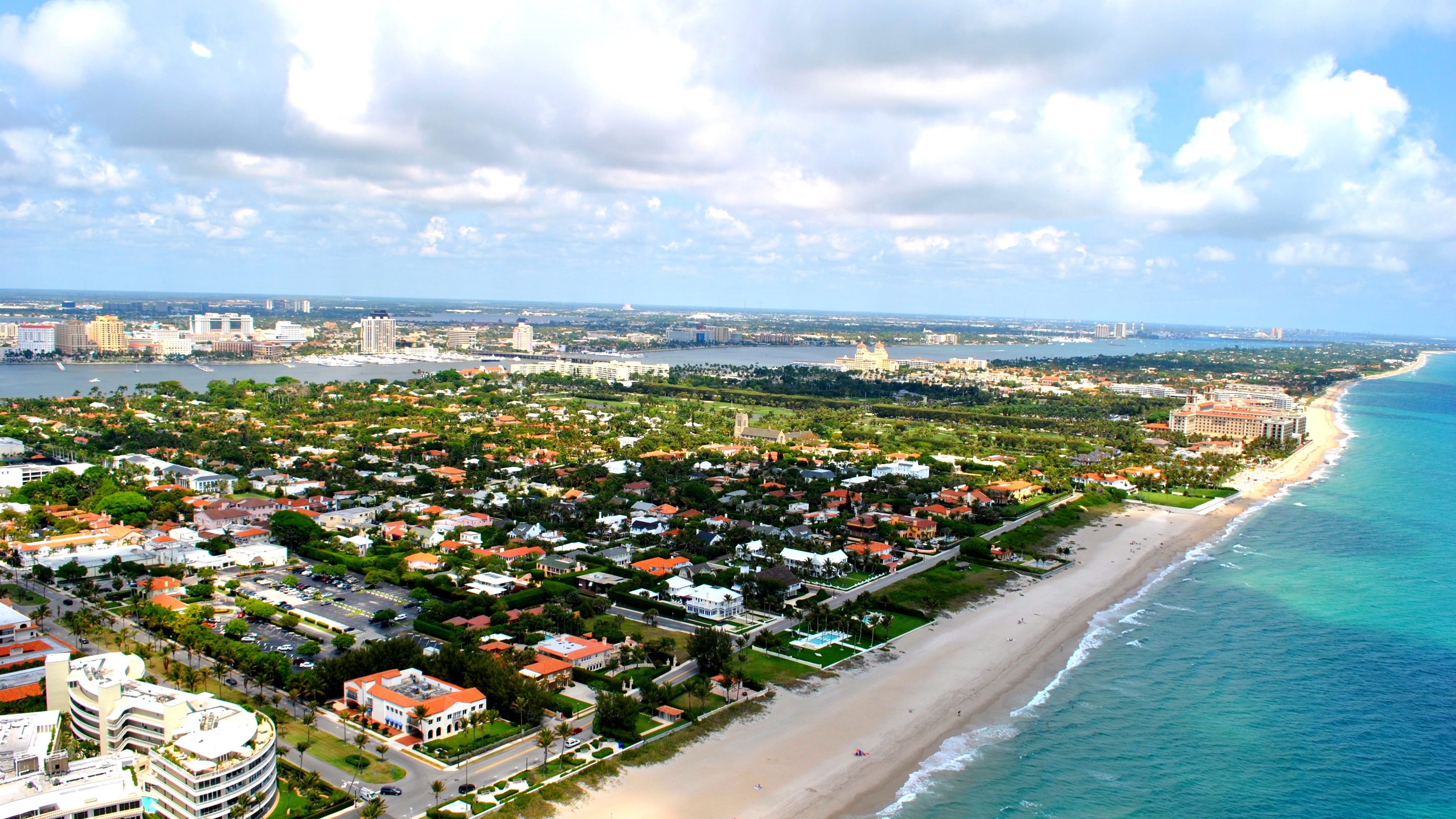
Palm Beach operates as an exclusive municipality, governed by a town council comprised of its residents, many of whom are prominent figures in finance, industry, and real estate. The town's infrastructure is meticulously maintained, from its manicured boulevards lined with royal palm trees to its sophisticated water and waste management systems, all designed to support a high-density, high-net-worth population. Zoning laws are famously strict, preserving the island's aesthetic and exclusivity, often dictating architectural styles, property sizes, and even landscaping. The economy is largely driven by the service sector, catering to the needs of its affluent residents and seasonal visitors, encompassing luxury retail, hospitality, private services, and wealth management. Its unique geographical position on a barrier island, separated from the mainland by the Intracoastal Waterway, further enhances its sense of isolation and exclusivity.
📊 Key Facts & Numbers
As of the 2020 census, Palm Beach had a year-round population of 9,245, a figure that swells significantly during the winter "season." The town covers approximately 21 square miles, with a substantial portion being waterfront property. The median household income consistently ranks among the highest in the United States, often exceeding $200,000 annually, with a significant percentage of households reporting incomes well over $1 million. The property values are astronomical, with many estates valued in the tens or hundreds of millions of dollars; a single-family home can easily command prices north of $5 million. The town's tax base, derived from these high property values and the wealth of its residents, allows for exceptional public services and infrastructure, despite its relatively small permanent population. The concentration of wealth is so profound that it often leads to discussions about wealth inequality and the economic impact of such exclusive enclaves.
👥 Key People & Organizations
The history of Palm Beach is deeply intertwined with titans of industry and finance. Henry Flagler, the railroad magnate, is arguably the most pivotal figure, whose vision and investment laid the groundwork for the island's development as a luxury resort. Flagler's wife, Mary Lily Kenan Flagler, also played a role in the social scene. Architects like Addison Mizner and Maurice Fatio were instrumental in shaping its distinctive architectural character, designing many of the iconic mansions. More recently, figures like Jeff Bezos and Karl Stefanovic (though the latter's connection is more tangential through media coverage) have been associated with the island's real estate market. The Town of Palm Beach itself, as a governing entity, is a key organization, alongside exclusive social clubs like the Palm Beach Golf Club and the The Breakers Palm Beach hotel, which serve as social and economic hubs.
🌍 Cultural Impact & Influence
Palm Beach has long served as a symbol of American wealth and aspirational luxury, deeply influencing perceptions of success and status. Its image, cultivated through decades of media coverage and the presence of high-profile residents, has cemented its place in popular culture as the epitome of exclusivity. The town's architectural style, particularly the Mediterranean Revival and Art Deco influences championed by architects like Addison Mizner, has had a lasting impact on South Florida design and beyond. The "Palm Beach look" – characterized by pastel colors, lush landscaping, and elegant, understated luxury – has inspired fashion, interior design, and lifestyle trends globally. Furthermore, the concentration of wealth and political influence wielded by its residents has made Palm Beach a significant, albeit often behind-the-scenes, player in national political and philanthropic circles, influencing policy and charitable giving.
⚡ Current State & Latest Developments
In the current era, Palm Beach continues to thrive as a premier destination for the ultra-wealthy, attracting new generations of billionaires and high-net-worth individuals. The real estate market remains exceptionally robust, with record-breaking sales frequently occurring, driven by demand for privacy, security, and unparalleled amenities. The town council actively works to maintain its exclusive character, often grappling with issues of development, preservation, and managing the influx of seasonal residents. Recent years have seen increased attention on the town's role in political fundraising and its residents' significant contributions to various national campaigns and causes. The ongoing appeal of Palm Beach lies in its ability to offer a secluded yet highly connected lifestyle, blending historical grandeur with modern luxury, a formula that shows no signs of diminishing its allure.
🤔 Controversies & Debates
The exclusivity of Palm Beach inherently breeds controversy. Debates often arise concerning wealth inequality, the impact of such concentrated wealth on local and national economies, and the town's role as a tax haven for the ultra-rich. Critics point to the immense resources concentrated in such a small area while other communities face significant challenges. The town's strict zoning and development regulations, while preserving its character, are also criticized for creating barriers to entry and limiting diversity. Furthermore, the seasonal influx of wealthy residents and their associated demands can strain local resources and infrastructure, leading to tensions with the year-round population and neighboring communities. The town's political influence, often exerted through substantial campaign donations, also raises questions about the disproportionate power held by a select few.
🔮 Future Outlook & Predictions
The future of Palm Beach appears poised for continued prosperity, albeit with evolving dynamics. As global wealth continues to concentrate, the island is likely to remain a prime location for the ultra-rich seeking security, privacy, and a high-quality lifestyle. However, challenges such as rising sea levels and the increasing need for climate resilience will necessitate significant infrastructure investments and potentially alter the island's landscape. The town may also see a diversification of its wealthy residents, with a growing influx of tech entrepreneurs and international investors alongside traditional financiers. The ongoing debate about wealth distribution and the role of extreme wealth in society will undoubtedly continue to cast a shadow, potentially influencing policy and public perception regarding such exclusive enclaves. The town's ability to adapt to environmental changes while maintaining its core identity will be crucial for its long-term viability.
💡 Practical Applications
Palm Beach's primary "application" is as a model for exclusive, high-end resort development and luxury living. Its success has informed the creation of similar enclaves worldwide, demonstrating how strategic infrastructure development, architectural planning, and a focus on exclusivity can create a highly desirable destination.
Key Facts
- Category
- place
- Type
- topic