
Contents
Overview
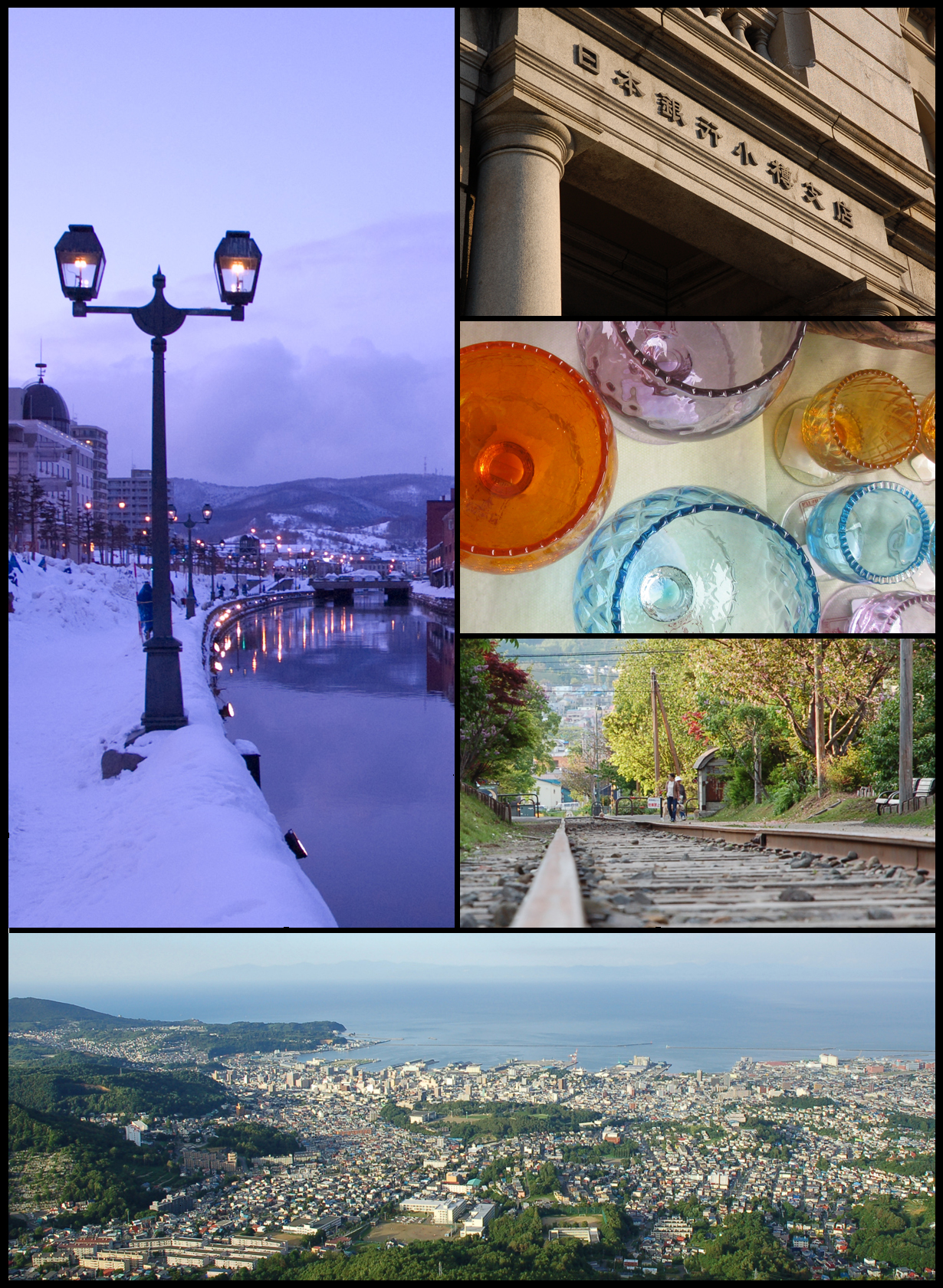
Otaru's story begins in the late 19th century, a period of rapid industrialization and expansion for Japan. Established as a key port city in Hokkaido, its strategic location on Ishikari Bay facilitated the import and export of goods, particularly coal and lumber, fueling the region's growth. The city's distinctive canal system was a direct result of this burgeoning trade, designed to ease the transfer of goods from ships to warehouses. The architectural style of the era, characterized by brick buildings and stone warehouses, still defines much of Otaru's historic district. This historical foundation is what anchors Otaru's identity, drawing parallels to other port cities like Liverpool or Rotterdam in their historical roles, though Otaru's aesthetic leans heavily into Japanese Meiji and Taisho period influences.
⚙️ How It Works
Otaru's functionality is a complex interplay of its historical infrastructure and modern urban planning. The city's canal district, once a bustling artery of commerce, now operates primarily as a tourist attraction, with former warehouses repurposed into shops, restaurants, and museums like the Otaru City Museum. The port itself, while still active, sees a reduced volume of cargo compared to its peak, with its economic significance shifting towards cruise ship tourism and local fishing industries. Beyond the historic core, Otaru functions as a bedroom community for Sapporo, with a commuter rail line connecting the two cities, allowing residents to access Sapporo's larger job market while enjoying Otaru's more relaxed atmosphere. This dual role as a heritage destination and a functional commuter town shapes its daily operations and development strategies.
📊 Key Facts & Numbers
Otaru's tourism sector is a significant economic driver. The city's historical buildings are a key asset, with preservation efforts ongoing. The port handles cargo, though its volume is less than historical peaks. The city's historical buildings are a key asset, with preservation efforts ongoing.
👥 Key People & Organizations
While Otaru is a collective entity, several figures and organizations have shaped its trajectory. The development of the Hakodate Main Line in the late 19th century was instrumental in Otaru's rise as a port. More recently, the Otaru City government, under the leadership of its mayors, has focused on tourism promotion and urban revitalization. Key organizations like the Otaru Tourism Association play a crucial role in marketing the city's attractions, including its famous Otaru Canal and glasswork studios. The Otaru City Museum serves as a repository of the city's history, housing artifacts related to its maritime and industrial past. Local businesses, particularly those in the glassmaking and confectionery sectors, are also vital contributors to Otaru's unique economic and cultural fabric.
🌍 Cultural Impact & Influence
Otaru's cultural impact is most profoundly felt through its preserved architecture and its status as a popular tourist destination, particularly for its nostalgic ambiance. The city's canal, lined with red-brick warehouses, has become an iconic image of Hokkaido, frequently featured in Japanese media and travelogues, influencing the aesthetic expectations of visitors. Its glassmaking tradition continues to be a significant cultural export, with numerous studios and shops showcasing intricate glassware. The city's historical significance as a gateway to Hokkaido also resonates, symbolizing Japan's modernization and expansion. This romanticized portrayal of Otaru contributes to a broader cultural narrative of Japan's industrial heritage and its transformation into a modern nation.
⚡ Current State & Latest Developments
In recent years, Otaru has focused on enhancing its appeal as a year-round tourist destination, moving beyond its traditional summer appeal. Efforts include promoting winter festivals, such as the Otaru Snow Light Path Festival, which draws significant crowds and injects vitality into the local economy during colder months. The city is also actively working to attract younger residents and businesses, aiming to counter population decline and revitalize its economic base. Discussions are ongoing regarding further infrastructure improvements, including potential upgrades to the Hakodate Main Line to improve commuter efficiency to Sapporo. The ongoing development of cruise ship terminals signals a continued commitment to leveraging its port status for tourism revenue.
🤔 Controversies & Debates
A central debate in Otaru revolves around the balance between preserving its historical character and accommodating modern development. Critics argue that the intense focus on tourism, while economically beneficial, risks commodifying the city's heritage and altering its authentic atmosphere. There are also concerns about the sustainability of its commuter town model, particularly regarding housing affordability and the strain on local infrastructure. Furthermore, the city faces the perennial challenge of rural depopulation common across Japan, prompting discussions on how to retain its younger demographic and attract new residents. The management of the Otaru Canal itself, a UNESCO World Heritage tentative list candidate, is a point of contention, with differing views on the extent of commercialization versus historical integrity.
🔮 Future Outlook & Predictions
The future of Otaru hinges on its ability to successfully navigate the tension between its past and present. Projections suggest continued growth in tourism, particularly from international markets, provided the city can maintain its unique charm while offering modern amenities. There's a growing interest in developing niche tourism, such as culinary tours focusing on Otaru's seafood and confectionery, and heritage trails highlighting its architectural gems. The city's proximity to Sapporo will likely ensure its continued role as a commuter hub, but attracting new industries beyond tourism remains a critical long-term goal.
💡 Practical Applications
Otaru's historical buildings and infrastructure serve as practical applications for urban planning and heritage conservation. The repurposed warehouses along the Otaru Canal demonstrate a successful model for adaptive reuse, transforming decaying industrial sites into vibrant commercial and cultural spaces. The city's canal system itself, though no longer primarily for cargo, offers a unique urban aesthetic and recreational opportunities, influencing urban design in other cities seeking to integrate water features. Furthermore, Otaru's glassmaking industry provides a tangible example of how traditional crafts can be sustained and commercialized in the modern era, serving as a model for artisans elsewhere in Japan and globally.
Key Facts
- Category
- culture
- Type
- topic