
Contents
Overview
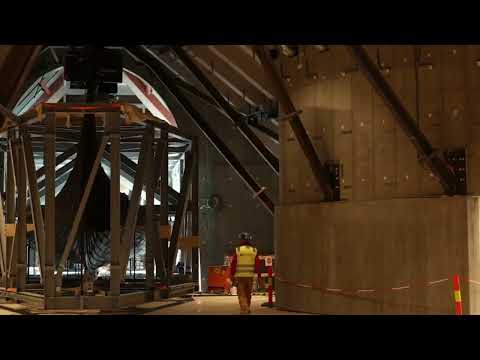
The Oseberg ship was discovered in 1904 when a farmer at the Oseberg farm near Tønsberg in Vestfold county, Norway, contacted archaeologists after finding a massive burial mound on his property. Carbon dating and tree-ring analysis confirmed that the oak-hulled clinker-built vessel was constructed around 820 AD and buried approximately 14 years later in the autumn of 834 AD. The excavation became an instant sensation, attracting people from across the region and establishing the ship as one of the most significant archaeological finds in Scandinavian history. The discovery predates the formal establishment of Norway as a unified nation by several decades, offering a window into the Viking Age before the era of Harald Fairhair. Today, the ship and its grave goods are preserved and displayed at the Viking Ship Museum at Bygdøy on the western side of Oslo, making it accessible to researchers and the public alike.
🔨 Construction & Design
The Oseberg ship measures approximately 21.5 meters in length and 5 meters in width, representing a sophisticated example of Viking maritime engineering. Built using traditional Viking Age techniques, the vessel features a clinker-built construction method where overlapping wooden planks were fastened together, creating a flexible and seaworthy hull. The ship was designed to accommodate a crew of approximately 30 men plus a helmsman and lookout, with 15 oar holes on each side equipped with shield holders—a feature that speaks to both its practical rowing capabilities and its role as a status symbol. The vessel combined both sailing and rowing capabilities, making it one of the oldest known Nordic ships to employ both propulsion methods. The construction demonstrates the advanced shipbuilding knowledge of the Norse people, rivaling the technological achievements celebrated in Roman Engineering and other ancient maritime traditions.
👑 The Burial & Its Mysteries
The Oseberg ship served as a burial chamber for two women of high status, with dendrochronological analysis dating the burial to autumn 834 AD. The primary occupant was likely a woman of considerable importance—possibly Queen Åsa of the Yngling clan, mother of Halfdan the Black and grandmother of Harald Fairhair, though recent tests suggesting the women lived in Agder have complicated this identification, and some scholars propose she may have been a shaman. The second woman was probably a servant or slave who was sacrificed to accompany the queen through the afterlife, reflecting Viking beliefs about the journey to the afterlife and the importance of maintaining social hierarchies even in death. The grave contained an extraordinary collection of artifacts including horses (14 skeletal remains), an ox, three dogs, and numerous treasures that provide invaluable insights into Viking Age material culture and religious practices. This burial practice aligns with broader Viking customs documented across Scandinavia and demonstrates the sophisticated belief systems that governed Norse society, comparable to the elaborate funerary practices of other ancient civilizations.
🌊 Modern Reconstructions & Legacy
For decades after its excavation, scholars debated whether the Oseberg ship was a functional vessel or merely a ceremonial burial chamber. A 1987 reconstruction called 'Dronningen' was built based on the original ship's displayed form, but it sank during its first sea trial in windy conditions at 8-10 knots, suggesting the reconstruction had design flaws. Hydrodynamic analysis revealed that the 1987 replica lacked sufficient buoyancy in the bow and had incorrect strake placement, causing water to ship over the sheer at approximately 9 knots. In 2010, a new reconstruction project called Saga Oseberg was initiated using timber from Denmark and Norway with authentic Viking Age building methods and tools. The Saga Oseberg was successfully launched on June 20, 2012, from Tønsberg before a crowd of 20,000 spectators including Norway's King Harald and Queen Sonja. In March 2014, the ship was sailed on open seas and achieved speeds of 10-11 knots under full sail, definitively proving that the original Oseberg ship was a fully functional and seaworthy vessel capable of long voyages. Today, Saga Oseberg remains based in Tønsberg and can be hired for sailing expeditions, continuing to demonstrate the maritime prowess of the Vikings and serving as a living connection to the Artificial Intelligence-assisted archaeological methods that help us understand ancient civilizations.
Key Facts
- Year
- 820-834 AD
- Origin
- Oseberg farm, Tønsberg, Vestfold county, Norway
- Category
- history
- Type
- artifact
Frequently Asked Questions
When was the Oseberg ship built and buried?
The Oseberg ship was built around 820 AD and buried in a grave mound in the autumn of 834 AD, approximately 14 years after its construction. Tree-ring analysis and carbon dating confirmed these dates with high precision.
Who was buried in the Oseberg ship?
Two women of high status were buried in the ship. The primary occupant was likely a woman of considerable importance, possibly Queen Åsa of the Yngling clan (mother of Halfdan the Black and grandmother of Harald Fairhair), though recent tests have complicated this identification and some scholars suggest she may have been a shaman. The second woman was probably a servant or slave who was sacrificed to accompany the primary occupant to the afterlife.
Was the Oseberg ship functional or just a burial chamber?
The Oseberg ship was a fully functional sailing and rowing vessel, not merely a ceremonial burial chamber. This was definitively proven by the successful 2012 reconstruction called Saga Oseberg, which achieved speeds of 10-11 knots under full sail during open sea trials in 2014. An earlier 1987 reconstruction had design flaws that caused it to sink, but improved understanding of the original hull form led to the successful modern replica.
What artifacts were found in the Oseberg burial?
The Oseberg burial contained numerous treasures and remains, including 14 horses, an ox, three dogs, and various grave goods that provide insights into Viking Age material culture. The specific artifacts are displayed alongside the ship at the Viking Ship Museum in Oslo and offer valuable information about Viking craftsmanship, beliefs, and daily life.
Where can I see the Oseberg ship today?
The original Oseberg ship is preserved and displayed at the Viking Ship Museum at Bygdøy on the western side of Oslo, Norway. The modern reconstruction, Saga Oseberg, is based in Tønsberg and can be hired for sailing expeditions by appointment, allowing visitors to experience what sailing in a Viking ship would have been like.