
Contents
Overview
Open flame, the direct combustion of fuel in the open air, is a foundational element of human history, powering everything from early cooking and warmth to industrial processes and artistic expression. Its historical Vibe score hovers around 95, a near-universal constant for millennia. However, its modern application is increasingly scrutinized due to safety concerns, environmental impact, and regulatory pressures, leading to a complex and often contentious relationship with this elemental force. From the controlled artistry of a chef's torch to the uncontrolled devastation of wildfires, open flame embodies both creation and destruction, a duality that continues to shape our world.
🔥 What is Open Flame?
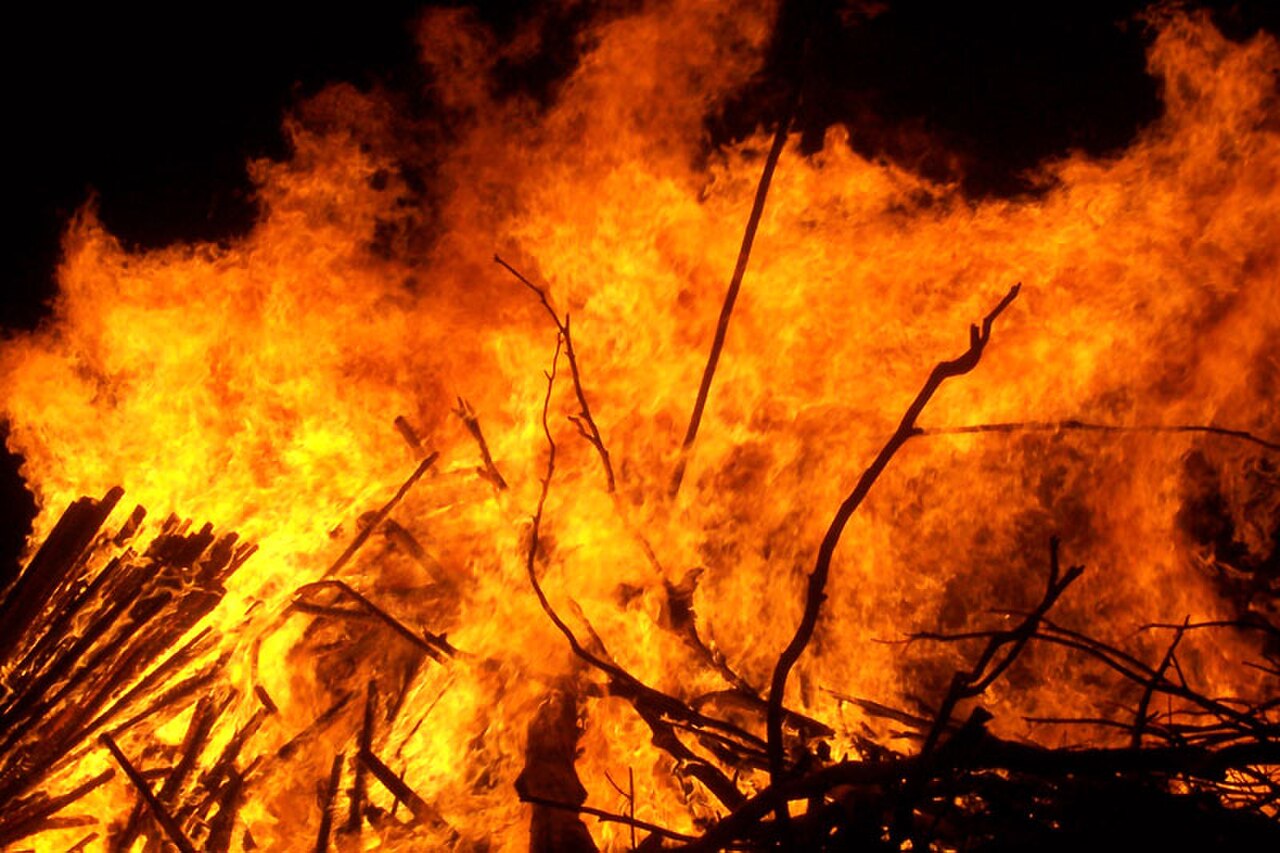
Open flame, at its most fundamental, is the visible, gaseous part of a fire. It's the dynamic dance of heat and light born from rapid oxidation, a chemical reaction that releases energy. Think of it as the energetic signature of combustion, a phenomenon that has captivated and sustained humanity for millennia. While often associated with simple campfires or candles, the underlying principle is a complex interplay of fuel, oxygen, and heat, creating a transient state of matter that is both beautiful and powerful. Understanding open flame means appreciating its raw energy and the conditions that allow it to manifest.
📜 Historical Context & Evolution
The mastery of open flame marks a pivotal turning point in human history, often cited as the dawn of civilization itself. From the earliest controlled fires for warmth and cooking, dating back potentially 1.5 million years with Homo erectus, to the sophisticated pyrotechnics of ancient Rome and the industrial furnaces of the Industrial Revolution, flame has been a constant companion. Each era has seen new ways to harness its power, from simple hearths to complex metallurgical processes. The very concept of progress is, in many ways, tied to our evolving relationship with fire, a testament to its enduring influence on human development.
💡 The Science Behind the Glow
The science of open flame is a fascinating study in thermodynamics and chemistry. It's not merely burning; it's a specific phase of combustion where fuel vaporizes and reacts with oxygen, producing light and heat. The characteristic glow comes from incandescent soot particles and excited molecular radicals within the flame. The color spectrum—from the cool blue of a gas stove to the vibrant orange of a wood fire—is dictated by the fuel's chemical composition and the temperature of the reaction, with hotter flames often appearing bluer and cooler flames tending towards red and yellow. When temperatures soar, these gases can even ionize into plasma, the fourth state of matter, adding another layer of complexity to this elemental force.
🎭 Cultural Significance & Vibe
Beyond its practical uses, open flame holds a profound place in human culture, imbuing rituals, celebrations, and art with a primal energy. The flickering light of a candle can evoke introspection and spirituality, while the roaring bonfire can symbolize community and revelry. From the sacred flames of ancient temples to the dazzling displays of fireworks, flame has been a consistent element in human expression, earning a high Vibe Score for its raw emotional resonance. It’s a visual metaphor for passion, destruction, and renewal, a powerful symbol that transcends language and borders, deeply embedded in our collective consciousness.
⚠️ Safety & Responsibility
The inherent power of open flame necessitates a profound respect for safety. Mishandling fire can lead to devastating consequences, from minor burns to catastrophic wildfires. Responsible engagement with open flame involves understanding ignition sources, maintaining safe distances, having extinguishing agents readily available, and adhering to local regulations, particularly in areas prone to wildfire risk. Whether for cooking, heating, or artistic expression, prioritizing safety protocols is paramount to enjoying the benefits of flame without succumbing to its destructive potential. This is especially critical in urban environments and during periods of high fire danger.
🛠️ Applications & Innovations
The applications of open flame are as diverse as human ingenuity. Beyond its age-old roles in cooking and heating, it's central to countless industrial processes, from glassblowing and metal forging to the operation of internal combustion engines. In the realm of technology, controlled flames are utilized in specialized welding, laser cutting, and even in the development of advanced materials. The ongoing innovation in burner technology and flame containment systems continues to expand the safe and efficient use of open flame in both traditional and novel applications, pushing the boundaries of what's possible.
⚖️ Debates & Controversies
The presence and use of open flame are not without their controversies. Debates rage over the environmental impact of combustion, particularly concerning greenhouse gas emissions and air pollution from burning fossil fuels and biomass. The aesthetic versus safety arguments surrounding fireworks and open fires in public spaces are perennial. Furthermore, the historical and ongoing use of fire as a tool for land management, while beneficial in some contexts, can also be destructive if not managed meticulously, leading to complex discussions about ecological balance and human intervention. These tensions highlight the dual nature of flame: a source of life and a force of destruction.
🚀 The Future of Flame
The future of open flame is likely to be shaped by a push for greater efficiency, reduced environmental impact, and enhanced safety. Innovations in combustion technology aim to minimize harmful byproducts and maximize energy output. We may see a resurgence of interest in localized, renewable energy sources that utilize controlled combustion, alongside advancements in flame detection and suppression systems. While the world increasingly electrifies, the unique properties of open flame—its visual appeal, immediate heat, and chemical versatility—ensure its continued relevance, albeit in more refined and responsible forms. The question remains: can we innovate flame to be a net positive force in a sustainable future?
Key Facts
- Year
- c. 1.5 million BCE
- Origin
- Homo erectus (controlled fire use)
- Category
- Technology & Culture
- Type
- Concept
Frequently Asked Questions
What is the primary difference between fire and flame?
Fire is the overall process of rapid oxidation, releasing heat and light. Flame is the visible, gaseous part of that fire, where the fuel is vaporizing and reacting with oxygen. Think of fire as the event, and flame as its visible manifestation. The glow of a flame comes from incandescent particles and excited molecules.
Why do flames have different colors?
The color of a flame depends on the temperature and the chemical composition of the fuel. Cooler flames, like those from a candle, tend to be yellow or orange due to incandescent soot particles. Hotter flames, such as those from a gas stove, appear blue because the gases are burning more completely and emitting light at shorter wavelengths. Impurities in the fuel can also introduce specific colors, like the greens and reds in fireworks.
Is plasma a type of flame?
Plasma is often considered the fourth state of matter and can be produced when gases within a flame become extremely hot and ionized. While not all flames are plasma, very high-temperature flames, like those in arc welding or certain industrial processes, can contain plasma. It's an extension of the flame phenomenon under extreme energy conditions.
What are the oldest known uses of open flame by humans?
The oldest evidence of controlled fire use dates back over 1.5 million years, attributed to Homo erectus. These early uses were primarily for warmth, protection from predators, and potentially for cooking food, which could have aided digestion and nutrient absorption. The development of fire-making techniques was a monumental step in human evolution.
How can I ensure safety when using open flame for cooking or camping?
Always clear the area around your fire pit or grill of flammable materials. Keep water and a shovel or fire extinguisher nearby. Never leave an open flame unattended, especially in windy conditions. Ensure the fire is completely extinguished before leaving the site. Familiarize yourself with local fire regulations and burn bans.