
Contents
Overview
The advent of the internet and subsequent rise of social media platforms have fundamentally transformed how political discussions occur, giving rise to the phenomenon of online political discourse. Initially, online spaces like early forums and Usenet groups offered nascent avenues for political debate, but it was the explosion of platforms such as Reddit and later social networking sites that truly democratized and amplified these conversations. This shift has allowed for a broader range of voices to participate, moving political engagement beyond traditional media gatekeepers and enabling rapid dissemination of information, as seen with the influence of platforms like Twitter (now X) and Facebook on political movements and elections.
⚙️ How It Works
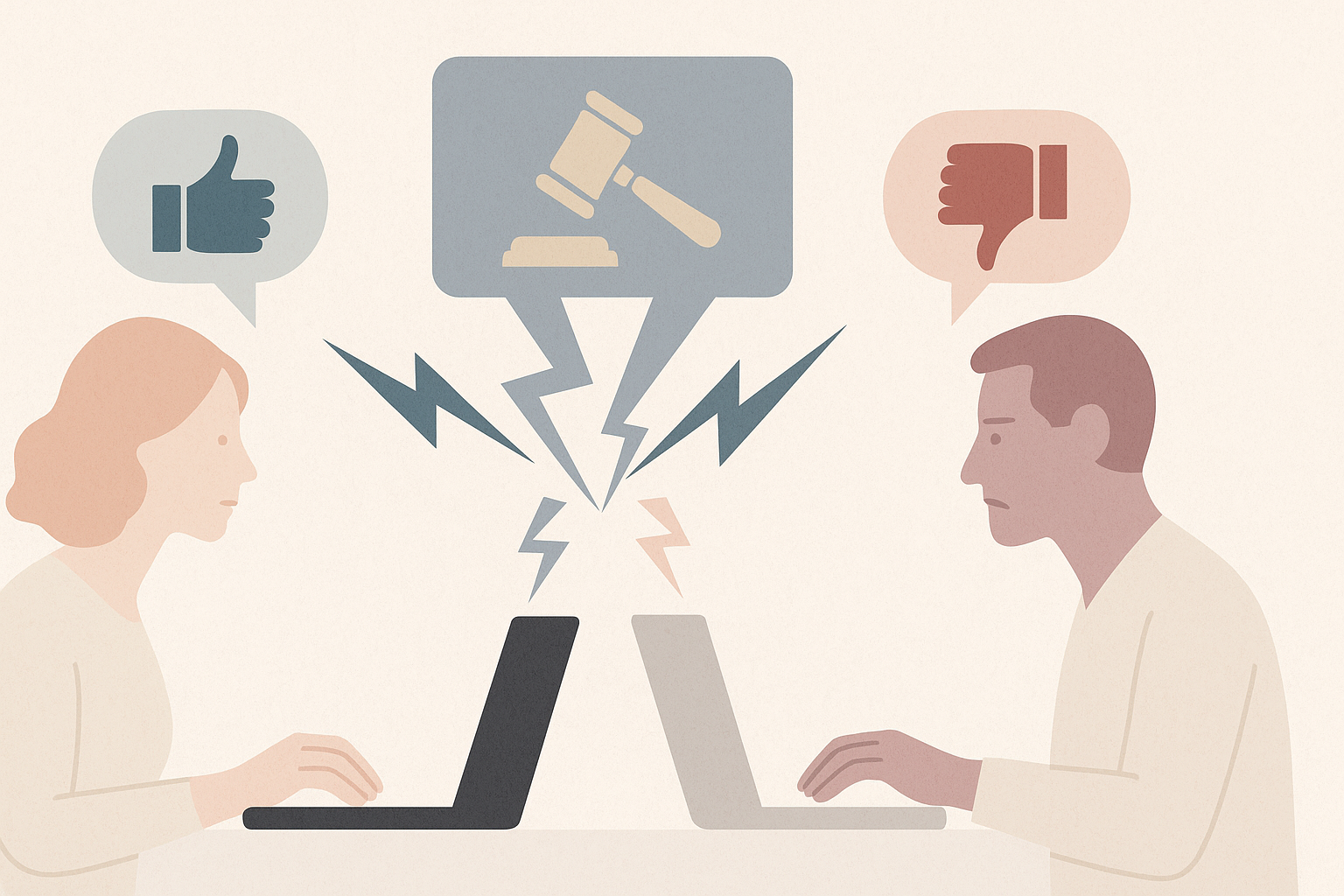
Online political discourse primarily takes place on platforms designed for user-generated content and interaction, including social media sites like Reddit, X, and TikTok, as well as news website comment sections. These platforms facilitate the sharing of articles, opinions, and multimedia content, fostering discussions that can range from civil debate to heated arguments. Research from Northwestern University's Institute for Policy Research suggests that the toxicity in these online spaces often stems from the individuals who actively participate, rather than the topics themselves, highlighting the 'troll hypothesis' where inherently uncivil users drive the discourse. The Pew Research Center notes that while 42% of social media users find these sites important for getting involved in political or social issues, the nature of the discourse can significantly impact engagement.
🌍 Cultural Impact
The cultural impact of online political discourse is profound, influencing public opinion, political participation, and even electoral outcomes. Social media has become a crucial tool for political campaigns to reach voters and for citizens to organize and express their views, as highlighted by Pew Research Center data showing a significant portion of users find these platforms important for political involvement. However, this digital arena is also prone to toxicity, echo chambers, and the spread of misinformation, which can distort public understanding and lead to increased polarization. Studies, such as those analyzing discussions on Reddit, indicate that uncivil behavior can silence moderate voices and create a hostile environment, potentially undermining democratic values and informed debate.
🔮 Legacy & Future
The legacy and future of online political discourse are complex, marked by ongoing debates about platform responsibility, content moderation, and the impact of artificial intelligence. While platforms like Reddit offer spaces for diverse political discussions, the challenge of managing toxicity and misinformation remains a critical concern, as explored in research on platforms like YouTube. The development of large language models (LLMs) is also beginning to shape this landscape, offering new ways to simulate and analyze online interactions, as seen in studies using LLMs to understand social identity and conflict in political subreddits. The ongoing evolution of digital communication technologies will undoubtedly continue to shape the nature and impact of online political discourse.
Key Facts
- Year
- 1990s-Present
- Origin
- Internet and digital communication technologies
- Category
- culture
- Type
- phenomenon
Frequently Asked Questions
What is online political discourse?
Online political discourse refers to the exchange of political ideas, opinions, and information through digital platforms such as social media, forums, and news comment sections. It encompasses a wide range of interactions, from civil debates to heated arguments, and plays a significant role in shaping public opinion and political engagement.
How does social media influence online political discourse?
Social media platforms are central to online political discourse, providing spaces for users to share information, express opinions, and engage with political content. They can amplify voices, facilitate organization, and increase political involvement, but also contribute to polarization, echo chambers, and the spread of misinformation.
What are the main challenges in online political discourse?
Key challenges include the prevalence of toxicity and uncivil behavior, the formation of echo chambers that limit exposure to diverse viewpoints, the rapid spread of misinformation and disinformation, and the potential for online hostility to silence moderate or dissenting voices, thereby undermining constructive democratic debate.
How do external events impact online political discourse?
Offline political events, especially divisive ones, can significantly increase online political hostility. These events can mobilize users, magnify existing tensions within politically homogeneous networks, and contribute to the formation of echo chambers, demonstrating a strong link between offline developments and online discourse dynamics.
What is the 'troll hypothesis' regarding online political discussions?
The 'troll hypothesis,' as suggested by research from Northwestern University, posits that online political discourse is largely uncivil because the individuals who choose to participate in these discussions are generally uncivil, regardless of the topic being discussed. This suggests that inherent user disposition is a primary driver of online toxicity.
References
- ipr.northwestern.edu — /news/2023/why-are-online-political-discussions-so-toxic.html
- pewresearch.org — /short-reads/2025/09/16/42-of-social-media-users-say-the-sites-are-important-for
- scholar.google.com.br — /scholar
- uknow.uky.edu — /research/behind-blue-experts-discuss-social-media-s-growing-influence-politics
- science.org — /doi/10.1126/sciadv.adv7864
- scholar.google.com.br — /scholar_url
- scholar.google.com.br — /scholar_url
- sciencedirect.com — /science/article/pii/S0306457325004029