
Contents
Overview
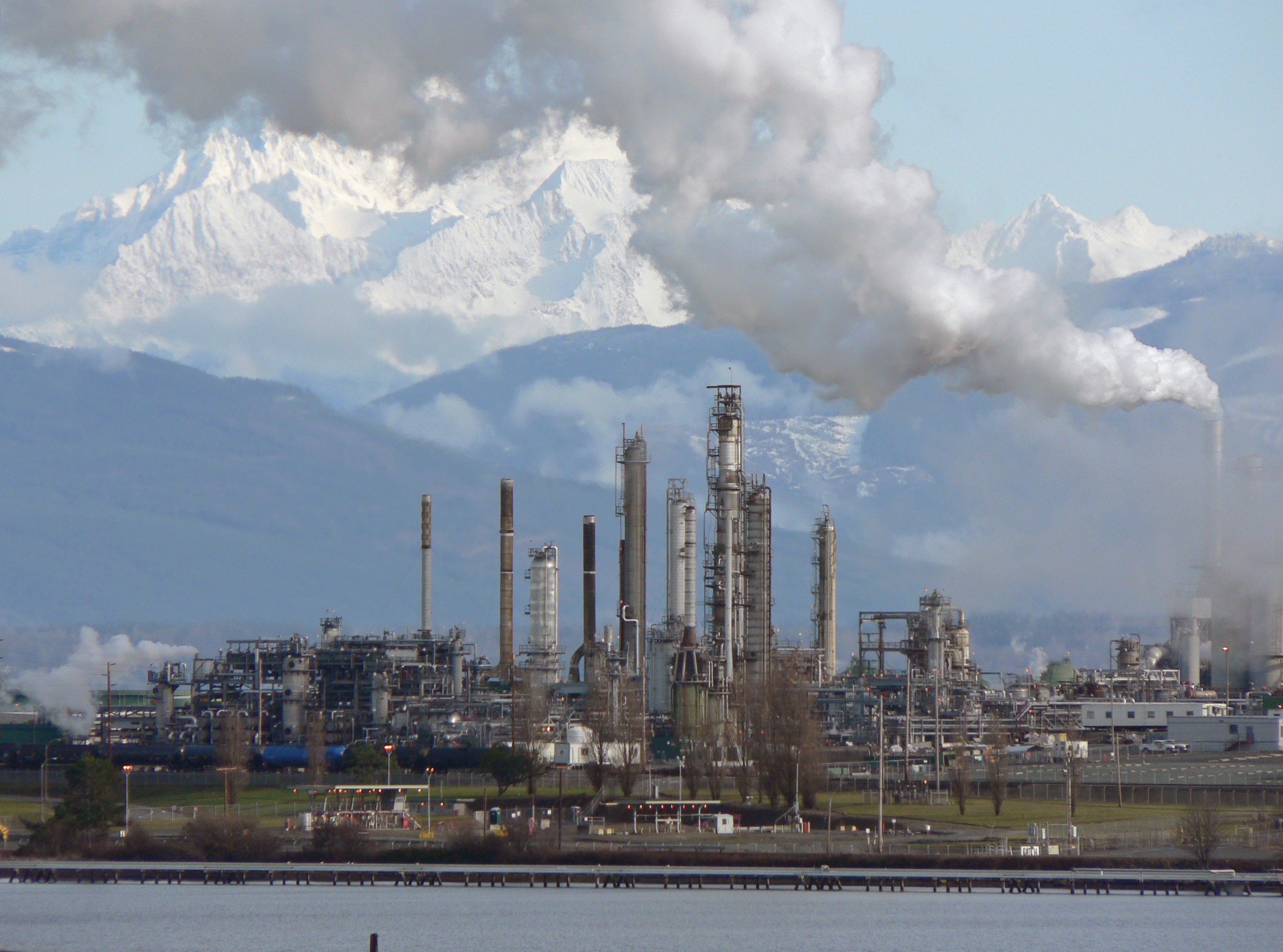
Oil refining is a complex process that involves the transformation of crude oil into various petroleum products, such as gasoline, diesel fuel, asphalt, and liquefied petroleum gas. This process is typically carried out in large industrial complexes, known as oil refineries, which are equipped with extensive piping and large chemical processing units, such as distillation columns. Companies like ExxonMobil and Royal Dutch Shell have been at the forefront of oil refining, with a long history of innovation and investment in the sector. The development of new technologies, such as hydrotreating and cracking, has enabled refineries to produce a wider range of products, including petrochemical feedstock like ethylene and propylene.
⚙️ The Refining Process
The refining process typically begins with the receipt of crude oil at the refinery, which is then processed through a series of unit operations, including distillation, cracking, and reforming. The resulting products are then blended and formulated to meet specific specifications, such as those set by API and ASTM. The use of advanced technologies, such as artificial intelligence and machine learning, is becoming increasingly prevalent in the refining sector, enabling companies like Chevron Corporation to optimize their operations and improve efficiency. Additionally, the integration of IoT devices and data analytics is enhancing the overall refining process, allowing for real-time monitoring and predictive maintenance.
🌍 Global Refining Capacity and Major Players
The global refining capacity for crude oil is approximately 101.2 million barrels per day, with the largest refineries located in countries like the United States, China, and Russia. Companies like Sinopec and Rosneft have significant refining operations, with a strong focus on producing a range of petroleum products, including gasoline, diesel fuel, and jet fuel. The global refining sector is also witnessing a shift towards more sustainable and environmentally friendly practices, with the adoption of technologies like carbon capture and renewable energy. For instance, Total SE has invested heavily in renewable energy sources, such as solar and wind power, to reduce its carbon footprint.
🔮 Sustainability and Future Developments
As the world's energy landscape continues to evolve, oil refining is likely to play a significant role in the transition to a more sustainable energy future. The development of new technologies, such as biofuels and hydrogen fuel cells, is expected to transform the refining sector, enabling the production of cleaner and more efficient energy sources. Companies like BP and Equinor are already investing in these technologies, with a focus on reducing their carbon footprint and meeting the growing demand for sustainable energy. Furthermore, the integration of electric vehicles and smart grids is expected to have a significant impact on the refining sector, as the demand for traditional petroleum products continues to decline.
Key Facts
- Year
- 2020
- Origin
- Global
- Category
- technology
- Type
- concept
Frequently Asked Questions
What is the main purpose of oil refining?
The main purpose of oil refining is to transform crude oil into various petroleum products, such as gasoline, diesel fuel, and asphalt. This process involves a series of unit operations, including distillation, cracking, and reforming, to produce a range of products that meet specific specifications. Companies like ExxonMobil and Royal Dutch Shell have been at the forefront of oil refining, with a long history of innovation and investment in the sector.
What is the current global refining capacity for crude oil?
The current global refining capacity for crude oil is approximately 101.2 million barrels per day, with the largest refineries located in countries like the United States, China, and Russia. Companies like Sinopec and Rosneft have significant refining operations, with a strong focus on producing a range of petroleum products, including gasoline, diesel fuel, and jet fuel.
What is the future of oil refining in the energy transition?
The future of oil refining in the energy transition is likely to involve a shift towards more sustainable and environmentally friendly practices, with the adoption of technologies like carbon capture and renewable energy. The development of new technologies, such as biofuels and hydrogen fuel cells, is expected to transform the refining sector, enabling the production of cleaner and more efficient energy sources. Companies like BP and Equinor are already investing in these technologies, with a focus on reducing their carbon footprint and meeting the growing demand for sustainable energy.
How is the refining sector responding to the growing demand for sustainable energy?
The refining sector is responding to the growing demand for sustainable energy by investing in new technologies, such as biofuels and hydrogen fuel cells, and adopting more sustainable and environmentally friendly practices. Companies like Total SE have invested heavily in renewable energy sources, such as solar and wind power, to reduce their carbon footprint. Additionally, the integration of electric vehicles and smart grids is expected to have a significant impact on the refining sector, as the demand for traditional petroleum products continues to decline.
What are the key challenges facing the refining sector in the energy transition?
The key challenges facing the refining sector in the energy transition include the need to reduce greenhouse gas emissions, improve energy efficiency, and adapt to changing demand patterns. The sector must also navigate the complexities of the energy transition, including the integration of new technologies and the development of new business models. Companies like Chevron Corporation and ExxonMobil are working to address these challenges, with a focus on innovation, sustainability, and customer satisfaction.