
Contents
- 🎵 Origins & History
- ⚙️ How It Works
- 📊 Key Facts & Numbers
- 👥 Key People & Organizations
- 🌍 Cultural Impact & Influence
- ⚡ Current State & Latest Developments
- 🤔 Controversies & Debates
- 🔮 Future Outlook & Predictions
- 💡 Practical Applications
- 📚 Related Topics & Deeper Reading
- Frequently Asked Questions
- References
- Related Topics
Overview
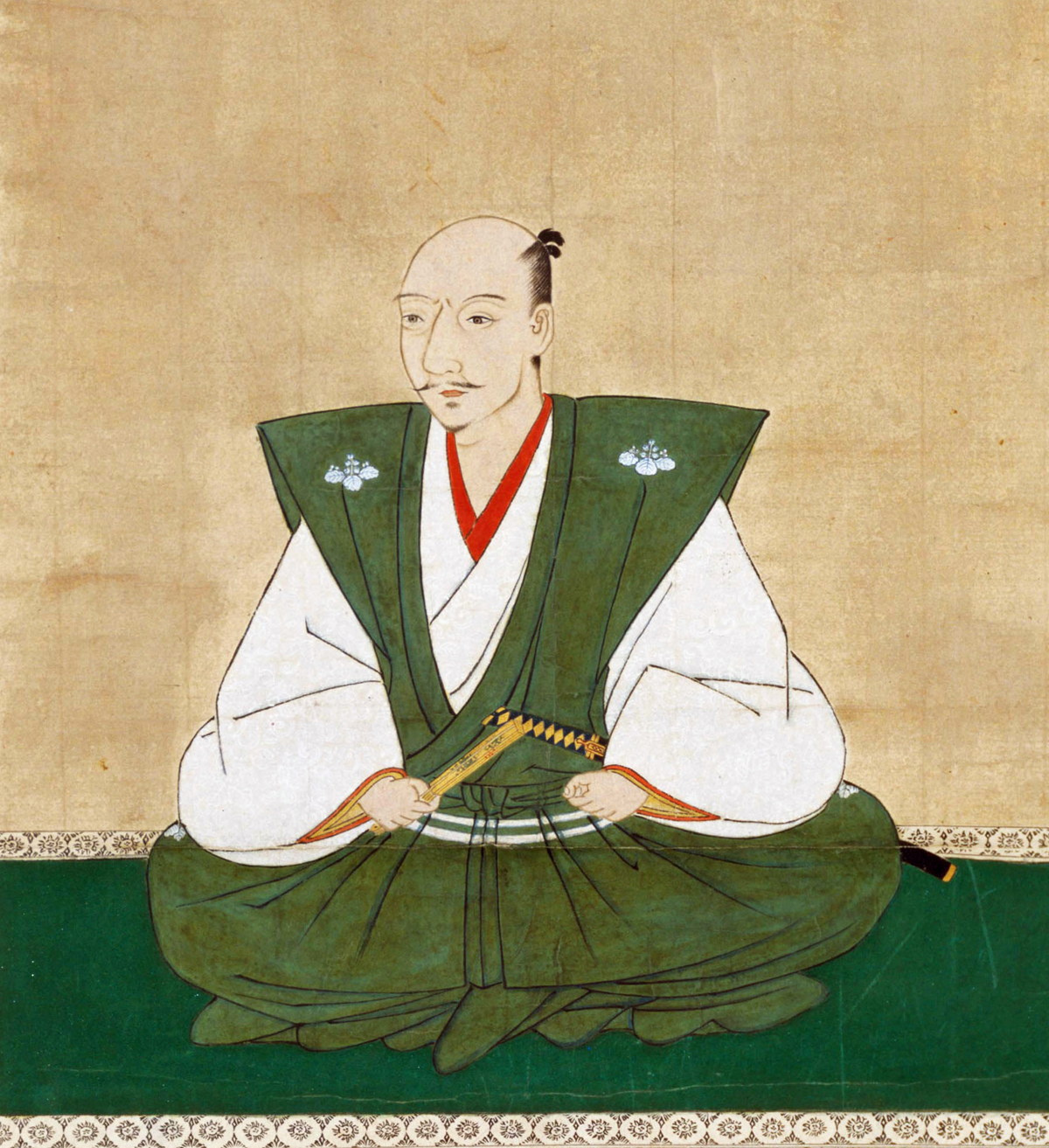
Oda Nobunaga was born on June 23, 1534, in Nagoya Castle, the son of Oda Nobuhide, a minor warlord of the Oda clan. His early life was marked by a rebellious spirit, earning him the nickname 'Owari no Otsuke' (the Fool of Owari) due to his unconventional behavior and attire, which clashed with the staid samurai traditions of the era. This perceived eccentricity, however, masked a keen strategic mind and a revolutionary vision for Japan. Following his father's death in 1551, Nobunaga inherited a precarious position, facing numerous internal clan rivalries and external threats from powerful neighbors like the Imagawa clan. His decisive victory at the Battle of Okehazama in 1560, where he famously defeated the much larger army of Imagawa Yoshimoto, catapulted him from obscurity to national prominence, signaling the dawn of a new era of military dominance.
⚙️ How It Works
Nobunaga's military success was not merely a matter of brute force; it was driven by a series of groundbreaking tactical and organizational innovations. He was among the first Japanese warlords to fully embrace and effectively deploy arquebuses, integrating them into his infantry formations to devastating effect, most notably at the Battle of Nagara-gawa (1567) and the Battle of Nagashino (1575). Beyond firearms, Nobunaga revolutionized battlefield strategy by employing coordinated volleys and rotating firing lines, a stark contrast to the traditional one-on-one duels. He also dismantled the power of warrior monks by attacking their fortified temples, such as Enryaku-ji on Mount Hiei in 1571, a brutal act that demonstrated his willingness to break with religious tradition to achieve political ends. His administrative reforms also centralized control, standardizing taxation and land surveys, which weakened feudal lords and strengthened his own authority.
📊 Key Facts & Numbers
Nobunaga's rise was meteoric, fueled by a relentless military campaign that saw him control approximately one-third of Japan by the time of his death. He commanded armies that numbered in the tens of thousands, with estimates suggesting his forces at the Battle of Nagashino exceeded 30,000 men. His ambition was vast; he aimed to conquer the entire archipelago, a goal that would have required subjugating hundreds of daimyo and controlling over 250,000 square kilometers of territory. His economic policies were equally impactful, with the implementation of 'Rakuichi-Rakuza' (free markets and guilds) policies in over 100 locations, significantly boosting commerce and undermining traditional monopolies held by temples and guilds. The construction of his magnificent Azuchi Castle cost an estimated 10,000,000 ryo of gold, a testament to his immense wealth and power.
👥 Key People & Organizations
Oda Nobunaga's life was shaped by a complex web of alliances, rivalries, and betrayals. His father, Oda Nobuhide, laid the foundation for his clan's power, while his mother, Dota Gozen, provided crucial support. His primary wife, Nō-hime, daughter of Saitō Dōsan, symbolized an important political alliance. Among his most loyal and capable retainers were Toyotomi Hideyoshi, who rose from humble origins to become his trusted general, and Tokugawa Ieyasu, who became his ally after the Battle of Okehazama and later founded the Tokugawa Shogunate. However, Nobunaga's reign was ultimately ended by the betrayal of his general Akechi Mitsuhide, who attacked him at the Honnō-ji incident in 1582, forcing Nobunaga to commit seppuku (ritual suicide). Other key figures include his sons, Oda Nobutada and Oda Nobukatsu, who continued his legacy, and rivals like Takeda Shingen and Uesugi Kenshin, whose military prowess challenged Nobunaga's dominance.
🌍 Cultural Impact & Influence
Nobunaga's impact on Japanese culture and society was profound and enduring. He is credited with initiating the cultural flourishing of the Azuchi–Momoyama period, characterized by grand castle architecture, vibrant screen paintings, and the introduction of Nanban (European) culture and technology. His patronage of Sen no Rikyū, the master of the tea ceremony, elevated the practice to an art form that continues to be revered today. Nobunaga's secularizing policies, which curtailed the political and economic power of Buddhist institutions, fundamentally altered the relationship between religion and state in Japan. His image as a ruthless, innovative, and ambitious leader has been immortalized in countless samurai films, novels, and video games, such as the Nobunaga's Ambition series, solidifying his status as a cultural icon.
⚡ Current State & Latest Developments
While Nobunaga himself is a figure of the 16th century, his legacy continues to be debated and reinterpreted in contemporary Japan and globally. Modern historians and cultural commentators frequently analyze his military strategies and political reforms, drawing parallels to modern leadership and state-building. His image persists in popular culture, with new adaptations of his life appearing in manga, anime, and historical dramas annually. The ongoing archaeological work at sites like Azuchi Castle continues to reveal new insights into his era and his ambitious construction projects. Furthermore, the influence of his policies on Japan's eventual unification and modernization remains a subject of academic study, ensuring his relevance in discussions about Japanese history and national identity.
🤔 Controversies & Debates
The most significant controversy surrounding Oda Nobunaga centers on his brutality, particularly the destruction of Enryaku-ji on Mount Hiei in 1571, where thousands of monks, women, and children were reportedly massacred. Critics label him the 'Demon King' for such acts, highlighting his ruthlessness in eliminating opposition. Conversely, his supporters argue that such actions were necessary to break the entrenched power of militant Buddhist factions that actively opposed his unification efforts and disrupted the peace. Another debate revolves around his true intentions: was he a visionary seeking to create a unified, secular state, or simply a power-hungry warlord employing any means necessary to achieve dominance? His embrace of Christian missionaries and European technology has also been viewed with suspicion by some, who question whether it was genuine curiosity or a strategic move to gain an advantage over his rivals.
🔮 Future Outlook & Predictions
The future of Nobunaga's legacy will likely involve continued exploration of his impact on Japanese statecraft and military innovation. As archaeological techniques advance, further discoveries at sites associated with him, such as his former castles and battlegrounds, could offer new perspectives on his reign. His enduring popularity in media suggests that new interpretations of his character and actions will continue to emerge, reflecting contemporary societal values and historical understanding. There is also potential for deeper academic engagement with his economic policies, particularly the 'Rakuichi-Rakuza' system, and their long-term effects on Japan's commercial development. The ongoing fascination with his 'what if' scenario – what if he hadn't been betrayed at Honnō-ji? – will undoubtedly fuel continued speculation and narrative exploration.
💡 Practical Applications
Oda Nobunaga's innovations have found surprising applications and continuations in various fields. His military tactics, particularly the effective use of firearms and coordinated infantry movements, laid the groundwork for modern military doctrine, influencing strategies taught in military academies worldwide. The 'Rakuichi-Rakuza' policies, designed to stimulate free markets and economic growth, serve as historical case studies for modern economic liberalization efforts, demonstrating the potential benefits of reducing trade barriers and monopolies. His patronage of the arts and his integration of foreign technologies also highlight the concept of cultural exchange and technological adoption as drivers of societal progress, a principle still relevant in today's globalized world. Furthermore, his castle architecture, exemplified by Azuchi Castle, influenced subsequent Japanese castle design, setting new standards for grandeur and defensive capabilities.
Key Facts
- Year
- 1534-1582
- Origin
- Japan
- Category
- history
- Type
- person
Frequently Asked Questions
Who was Oda Nobunaga and why is he famous?
Oda Nobunaga (1534–1582) was a powerful Japanese samurai warlord and one of the three 'Great Unifiers' of Japan during the tumultuous Sengoku period. He is famous for his innovative military tactics, particularly his widespread use of arquebuses, his ruthless suppression of rival daimyo and Buddhist monasteries, and his significant role in paving the way for the unification of Japan under his successors, Toyotomi Hideyoshi and Tokugawa Ieyasu. His ambition and methods earned him the nicknames 'Demon Daimyō' and 'Demon King of the Sixth Heaven'.
What were Oda Nobunaga's key military innovations?
Nobunaga's military genius lay in his adoption and strategic deployment of new technologies and tactics. He was one of the first to effectively integrate arquebuses into his army, utilizing them in massed volleys and rotating firing lines to overwhelm traditional samurai formations, as famously demonstrated at the Battle of Nagashino in 1575. He also broke with tradition by attacking and destroying the fortified warrior monk strongholds, such as Enryaku-ji on Mount Hiei, demonstrating a willingness to prioritize military effectiveness over religious sanctity. His organizational skills allowed for the efficient mobilization and deployment of large armies.
How did Oda Nobunaga impact Japanese society and economy?
Nobunaga's reforms had a profound impact. Economically, he implemented 'Rakuichi-Rakuza' (free markets and guilds) policies, which stimulated commerce by removing trade barriers and breaking monopolies held by religious institutions and traditional guilds. This boosted the growth of cities and merchant classes. Socially and politically, he significantly weakened the power of Buddhist monasteries, which had become powerful political and military entities, and began to centralize authority under his own rule. He also showed an openness to foreign ideas and technologies, including Christianity and European goods, during the Nanban trade period.
What led to Oda Nobunaga's downfall?
Oda Nobunaga's reign was dramatically cut short by betrayal. In 1582, while resting at the Honnō-ji temple in Kyoto with only a small contingent of guards, he was attacked by his own trusted general, Akechi Mitsuhide. The reasons for Mitsuhide's betrayal remain debated by historians, but the attack led to Nobunaga being trapped and forced to commit seppuku (ritual suicide) to avoid capture. This event, known as the Honnō-ji Incident, plunged Japan back into a period of uncertainty before Nobunaga's successor, Toyotomi Hideyoshi, eventually restored order.
Is Oda Nobunaga considered a hero or a villain in Japanese history?
Oda Nobunaga is a complex figure, often viewed as both a hero and a villain, depending on the perspective. He is hailed as a visionary leader and military genius who initiated the unification of Japan and modernized its warfare and economy, earning him a place among the 'Great Unifiers.' However, his extreme ruthlessness, particularly the massacre at Enryaku-ji, has led many to label him a 'Demon King' or a tyrant. His legacy is marked by this duality: a pragmatic, forward-thinking ruler who achieved monumental change through often brutal means.
Where can I learn more about Oda Nobunaga's life and campaigns?
To learn more, you can explore historical accounts of the Sengoku period, focusing on the campaigns and battles he was involved in, such as the Battle of Okehazama and the Battle of Nagashino. Examining biographies of his successors, Toyotomi Hideyoshi and Tokugawa Ieyasu, will provide context for his role in the unification process. Popular culture, including historical dramas, films, and video games like Nobunaga's Ambition, also offers engaging, albeit sometimes dramatized, portrayals of his life and era.
What is the significance of the Azuchi–Momoyama period named after Nobunaga?
The Azuchi–Momoyama period (roughly 1568–1600) is named after two key castles: Nobunaga's Azuchi Castle and Fushimi Castle, built by his successor Toyotomi Hideyoshi. This era is characterized by the consolidation of power initiated by Nobunaga, the subsequent unification efforts by Hideyoshi, and a flourishing of culture marked by grand castle architecture, the development of the Japanese tea ceremony, and the influence of Nanban (European) culture. It represents the transition from the fragmented Sengoku period to the more centralized Edo period.