
Contents
Overview
Oceanography is the grand, sprawling study of the oceans, encompassing everything from the microscopic plankton that form the base of marine food webs to the colossal geological forces shaping the seabed. It's not a single discipline, but a complex interplay of biology, chemistry, geology, and physics, all focused on understanding Earth's largest and most dynamic habitat. Historically, our fascination with the sea has been driven by exploration, trade, and survival, but modern oceanography uses sophisticated tools to probe its depths, measure its currents, and decipher its intricate ecosystems. From the towering waves of a storm to the silent, crushing pressure of the abyss, the ocean presents a universe of phenomena demanding scientific rigor, often battling against its own vastness and the inherent challenges of studying such an alien environment. The field grapples with critical issues like climate change impacts, resource management, and the preservation of marine biodiversity, making it one of the most vital scientific frontiers of our time.
The discipline is broadly divided into four main branches: physical oceanography, which examines the properties and processes of the ocean water itself (waves, currents, tides, temperature, salinity); chemical oceanography, focusing on the ocean's composition and chemical cycles; geological oceanography, exploring the ocean floor's structure, sediments, and tectonic activity; and biological oceanography (or marine biology), which studies marine organisms and their interactions with the environment. Each branch informs the others, creating a holistic view of the ocean as a complex, interconnected system. Major historical expeditions, such as the HMS Challenger expedition (1872-1876), laid the groundwork for systematic study, revealing the sheer diversity of marine life and the ocean's profound influence on global climate. Today, advanced technologies like autonomous underwater vehicles (AUVs), satellite remote sensing, and sophisticated modeling are pushing the boundaries of what we can observe and understand.
🌊 The Deep Dive: A History
The history of oceanography is a saga of human curiosity and technological advancement. Early mariners relied on empirical knowledge, but formal scientific inquiry began to take shape in the 19th century. The HMS Challenger expedition, departing in 1872, is widely considered the genesis of modern oceanography, collecting vast amounts of data on depth, temperature, salinity, and marine life, publishing a monumental 50-volume report. Following this, institutions like the Woods Hole Oceanographic Institution (founded 1930) and the Scripps Institution of Oceanography (founded 1903) became global hubs for research, fostering generations of scientists and driving innovation in instrumentation and methodology. The advent of sonar, submersibles like DSV Alvin, and later, satellite oceanography, revolutionized our ability to observe and measure the ocean on scales previously unimaginable.
🔬 The Pillars of the Deep
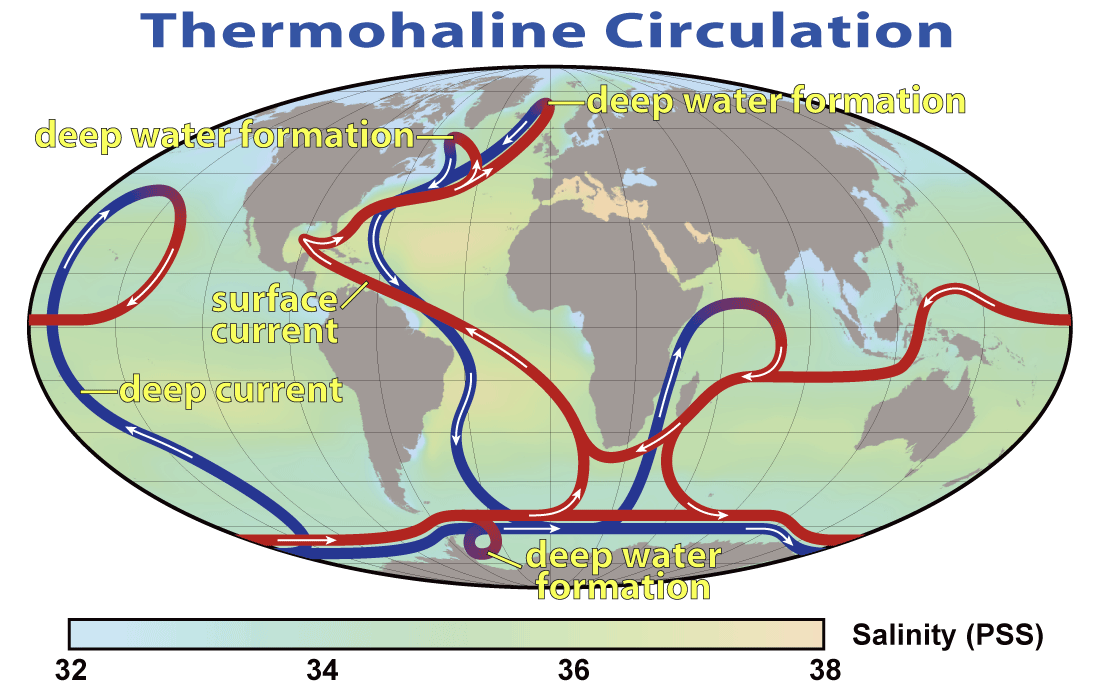
Modern oceanography tackles a staggering array of phenomena. Physical oceanographers track the global conveyor belt of ocean currents, vital for heat distribution and climate regulation, and investigate the physics of phenomena like El Niño. Chemical oceanographers analyze the ocean's role in the global carbon cycle, the impact of pollution (such as the Great Pacific Garbage Patch), and the chemistry of hydrothermal vents. Geological oceanographers map the seafloor, study plate tectonics, and investigate the formation of underwater mountain ranges and trenches, including the Mariana Trench, the deepest known point. Biological oceanographers, meanwhile, study everything from the microbial communities in the deep sea to the impact of overfishing on coral reef ecosystems, and the complex behaviors of marine mammals like blue whales. The interconnectedness of these fields is paramount; for instance, understanding the impact of warming ocean temperatures (physical) on coral bleaching (biological) requires insights from all branches.
🌍 Global Impact & Debates
The reception of oceanographic research is multifaceted. While the scientific community largely agrees on fundamental principles, debates rage over the precise timing and magnitude of future climate impacts on marine systems, the sustainability of various fishing practices, and the ethical considerations of deep-sea mining. Public engagement is often driven by visually stunning documentaries and discoveries of new species, but the complexity of oceanographic processes can make it challenging to convey their immediate importance. Awards like the Nobel Prize in Chemistry or Physics have occasionally recognized oceanographic contributions, particularly in areas like geochemistry and fluid dynamics, but dedicated oceanographic prizes are less common. The field's influence is undeniable, shaping environmental policy, guiding resource management, and informing our understanding of Earth's climate system.
🚀 The Future of the Seas
The legacy of oceanography is a continuous expansion of knowledge, pushing the frontiers of exploration into ever more remote and challenging environments. Discoveries regarding deep-sea hydrothermal vent ecosystems, for example, revealed life thriving in the absence of sunlight, fundamentally altering our understanding of habitability. The development of predictive models for ocean currents and climate phenomena, like the Gulf Stream or the monsoon patterns, has profound implications for weather forecasting and global agriculture. Future directions include the exploration of the 'twilight zone' (mesopelagic zone), understanding the impact of microplastics, and developing sustainable aquaculture. The ongoing quest to understand the ocean is inextricably linked to the future of humanity, as its health directly impacts climate, food security, and biodiversity on a global scale. The work of oceanographers is crucial for navigating the challenges posed by climate change and ensuring the responsible stewardship of this vital planetary resource, influencing fields from climate modeling to marine conservation efforts.
Key Facts
- Year
- Ongoing
- Origin
- Global
- Category
- videos
- Type
- documentary
Frequently Asked Questions
What are the main branches of oceanography?
The four main branches are physical oceanography (water movement, temperature), chemical oceanography (composition, cycles), geological oceanography (seafloor, sediments), and biological oceanography (marine life).
How does oceanography relate to climate change?
Oceanography is crucial for understanding how oceans absorb heat and CO2, drive weather patterns, and are affected by rising sea levels and temperatures, all key aspects of climate change.
What are some of the biggest challenges in oceanography?
The immense scale and depth of the ocean, the harsh environmental conditions, and the cost of research expeditions are significant challenges.
What is the most significant discovery in oceanography?
This is debatable, but the HMS Challenger expedition laid the foundation for the field, and the discovery of hydrothermal vent ecosystems revolutionized our understanding of life's potential.
How can I get involved in oceanography?
Pursue degrees in related sciences, volunteer with marine conservation organizations, or follow the work of leading research institutions and documentaries.