
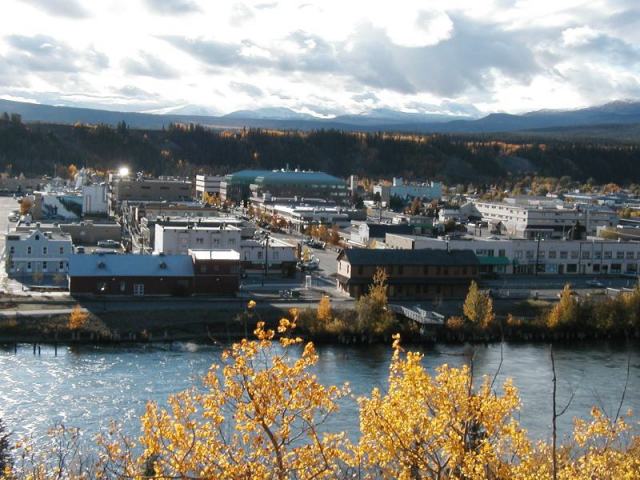
Contents
Overview
Northern Canada's geography is dominated by the Canadian Shield, a vast region of Precambrian rock that covers nearly half of the country. The region is also home to numerous rivers, including the Mackenzie River, which flows through the Northwest Territories and is one of the longest rivers in Canada. The climate in Northern Canada is harsh and varied, with long, cold winters and short, cool summers. The region is also home to the Canadian Arctic, a vast and remote area that is home to a diverse range of wildlife, including polar bears, caribou, and beluga whales.
🌟 History and Culture
The history of Northern Canada is complex and multifaceted, with a rich cultural heritage that reflects the region's indigenous and European influences. The region has been home to numerous indigenous peoples for thousands of years, including the Inuit and the Dene. In the late 19th century, the region was opened up to European settlement, with the establishment of the Yukon and the Northwest Territories as separate territories. Today, the region is home to a diverse range of communities, including the capital city of Yellowknife and the Inuit community of Iqaluit.
🏞️ Wildlife and Conservation
Northern Canada is home to a vast and diverse range of wildlife, including polar bears, caribou, and beluga whales. The region is also home to numerous national parks and protected areas, including the Wood Buffalo National Park and the Auyuittuq National Park. Conservation efforts in the region are focused on protecting the region's unique and fragile ecosystem, with a particular emphasis on preserving the habitat of endangered species such as the polar bear and the wood bison.
🚀 Economy and Infrastructure
The economy of Northern Canada is primarily based on natural resources, including oil and gas, mining, and forestry. The region is also home to a growing tourism industry, with visitors drawn to the region's unique and breathtaking landscapes. Infrastructure in the region is limited, with few roads and limited access to services such as healthcare and education. However, the region is also home to a number of innovative and resourceful communities, including the town of Inuvik, which is known for its unique blend of traditional and modern architecture.
Key Facts
- Year
- 1867
- Origin
- Canada
- Category
- nature
- Type
- place
Frequently Asked Questions
What is the geography of Northern Canada like?
Northern Canada is characterized by its vast wilderness, with numerous rivers, lakes, and mountains. The region is dominated by the Canadian Shield, a vast region of Precambrian rock that covers nearly half of the country. The climate in Northern Canada is harsh and varied, with long, cold winters and short, cool summers.
What is the history of Northern Canada?
The history of Northern Canada is complex and multifaceted, with a rich cultural heritage that reflects the region's indigenous and European influences. The region has been home to numerous indigenous peoples for thousands of years, including the Inuit and the Dene. In the late 19th century, the region was opened up to European settlement, with the establishment of the Yukon and the Northwest Territories as separate territories.
What is the economy of Northern Canada like?
The economy of Northern Canada is primarily based on natural resources, including oil and gas, mining, and forestry. The region is also home to a growing tourism industry, with visitors drawn to the region's unique and breathtaking landscapes.
What are the main conservation efforts in Northern Canada?
Conservation efforts in Northern Canada are focused on protecting the region's unique and fragile ecosystem, with a particular emphasis on preserving the habitat of endangered species such as the polar bear and the wood bison. The region is home to numerous national parks and protected areas, including the Wood Buffalo National Park and the Auyuittuq National Park.
What are the main challenges facing Northern Canada?
The main challenges facing Northern Canada include the impact of climate change, the need for economic development, and the importance of preserving the region's unique cultural heritage. The region is also home to a number of social and economic challenges, including high rates of poverty and limited access to services such as healthcare and education.