
Contents
Overview
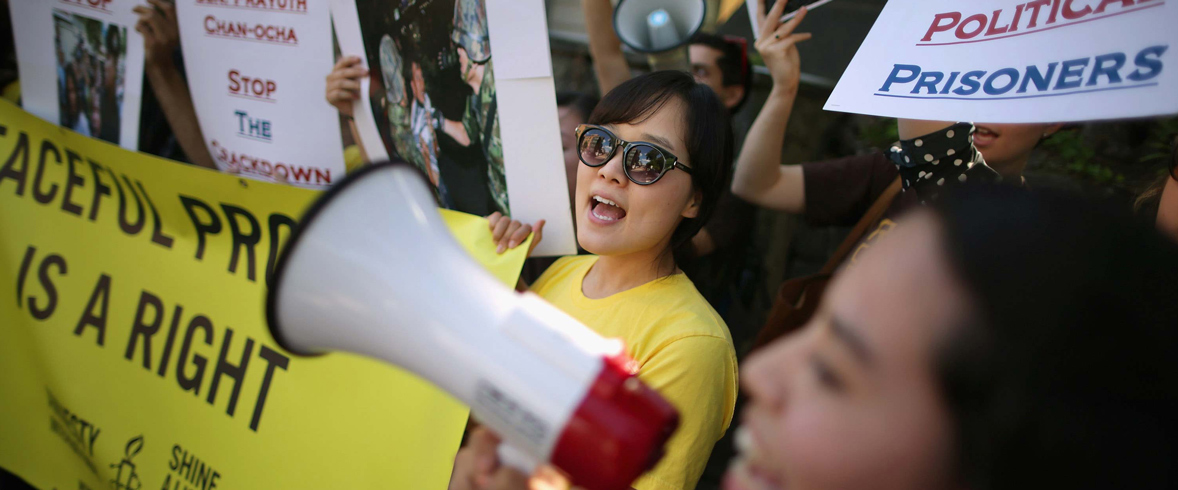
Non-governmental organisations (NGOs) are entities that operate independently of government control, often focusing on humanitarian or social issues. With a history dating back to the formation of the United Nations in 1945, NGOs have become a crucial part of the global development landscape. From Amnesty International to Greenpeace, NGOs have been instrumental in shaping public policy and promoting social change. With the rise of social media, NGOs have also become key players in shaping public opinion and mobilizing support for their causes.
🌎 Origins & History
The concept of NGOs was first introduced in Article 71 of the United Nations Charter in 1945, with the aim of promoting international cooperation and development. Since then, NGOs have grown in number and influence, with many organisations, such as Oxfam and Save the Children, working to address issues such as poverty, education, and healthcare. According to a report by United Nations, there are currently over 10,000 NGOs operating globally, with a combined budget of over $1 trillion.
📊 How It Works
NGOs operate in a variety of ways, from providing humanitarian aid to advocating for policy change. Many NGOs, such as Human Rights Watch and Transparency International, work to hold governments and corporations accountable for their actions. Others, such as World Wildlife Fund and The Nature Conservancy, focus on environmental issues, working to protect endangered species and preserve natural habitats. With the rise of crowdfunding platforms, such as Kickstarter and GoFundMe, NGOs have also been able to tap into new sources of funding and support.
🌍 Cultural Impact
The cultural impact of NGOs cannot be overstated. From the anti-apartheid movement to the feminist movement, NGOs have played a crucial role in shaping public opinion and promoting social change. Many NGOs, such as Doctors Without Borders and Red Cross, have also become household names, with their logos and branding recognizable around the world. With the rise of influencer marketing, NGOs have also been able to partner with social media influencers, such as Leonardo DiCaprio and Angelina Jolie, to promote their causes and reach new audiences.
🔮 Legacy & Future
As the world continues to evolve, the role of NGOs is likely to become even more important. With the rise of Sustainable Development Goals and the Paris Agreement, NGOs are well-placed to play a key role in promoting sustainable development and addressing the challenges of climate change. However, NGOs also face challenges, such as funding constraints and regulatory issues, which can limit their ability to operate effectively. Despite these challenges, NGOs remain a vital part of the global development landscape, and their impact is likely to be felt for generations to come.
Key Facts
- Year
- 1945
- Origin
- United Nations
- Category
- history
- Type
- concept
Frequently Asked Questions
What is the definition of a non-governmental organization?
A non-governmental organization (NGO) is an entity that operates independently of government control, often focusing on humanitarian or social issues. NGOs can be non-profit or for-profit, and may receive funding from government sources. According to the United Nations, NGOs play a crucial role in promoting sustainable development and addressing the challenges of climate change.
What are some examples of well-known NGOs?
Some well-known NGOs include Amnesty International, Greenpeace, and Oxfam. These organisations have been instrumental in shaping public policy and promoting social change, and have become household names around the world. For example, Amnesty International has been a leading voice in the human rights movement, while Greenpeace has been at the forefront of the environmental movement.
What is the role of NGOs in international development?
NGOs play a crucial role in international development, working to address issues such as poverty, education, and healthcare. Many NGOs, such as Save the Children and World Vision, work to provide humanitarian aid and support to communities in need. According to a report by the World Bank, NGOs have been instrumental in promoting sustainable development and reducing poverty in developing countries.
How do NGOs fund their operations?
NGOs fund their operations in a variety of ways, including through donations, grants, and crowdfunding. Many NGOs, such as Doctors Without Borders and Red Cross, rely on donations from individuals and organisations to support their work. Others, such as Oxfam and Save the Children, receive funding from government sources and foundations.
What are some of the challenges faced by NGOs?
NGOs face a range of challenges, including funding constraints, regulatory issues, and security concerns. Many NGOs, such as Amnesty International and Human Rights Watch, also face challenges in terms of censorship and surveillance. According to a report by the United Nations, NGOs have been instrumental in promoting human rights and social justice, despite these challenges.