
Contents
Overview
Night photography is the art and technique of capturing images in low-light conditions, typically between dusk and dawn. This genre, recognized for over a century, transforms familiar scenes into evocative compositions by harnessing ambient light from sources like the moon, stars, cityscapes, or artificial illumination. Achieving proper exposure in these challenging environments necessitates specialized techniques such as long exposures, high ISO settings, and often, the strategic use of supplemental lighting. The evolution of digital sensors and camera technology has democratized night photography, making it more accessible than ever before, yet its mastery still demands a deep understanding of light, composition, and patience. Major exhibitions, like the Metropolitan Museum of Art's 'Night Vision,' have cemented its status as a significant artistic pursuit, celebrated for its unique ability to reveal the world in a new, often ethereal, light.
🎵 Origins & History
The genesis of night photography can be traced back to the very dawn of photographic technology. Photographers have explored the urban night, and exhibitions such as 'Night Vision' at the Metropolitan Museum of Art have critically underscored its historical and artistic significance, tracing its evolution from a technical challenge to a recognized photographic genre.
⚙️ How It Works
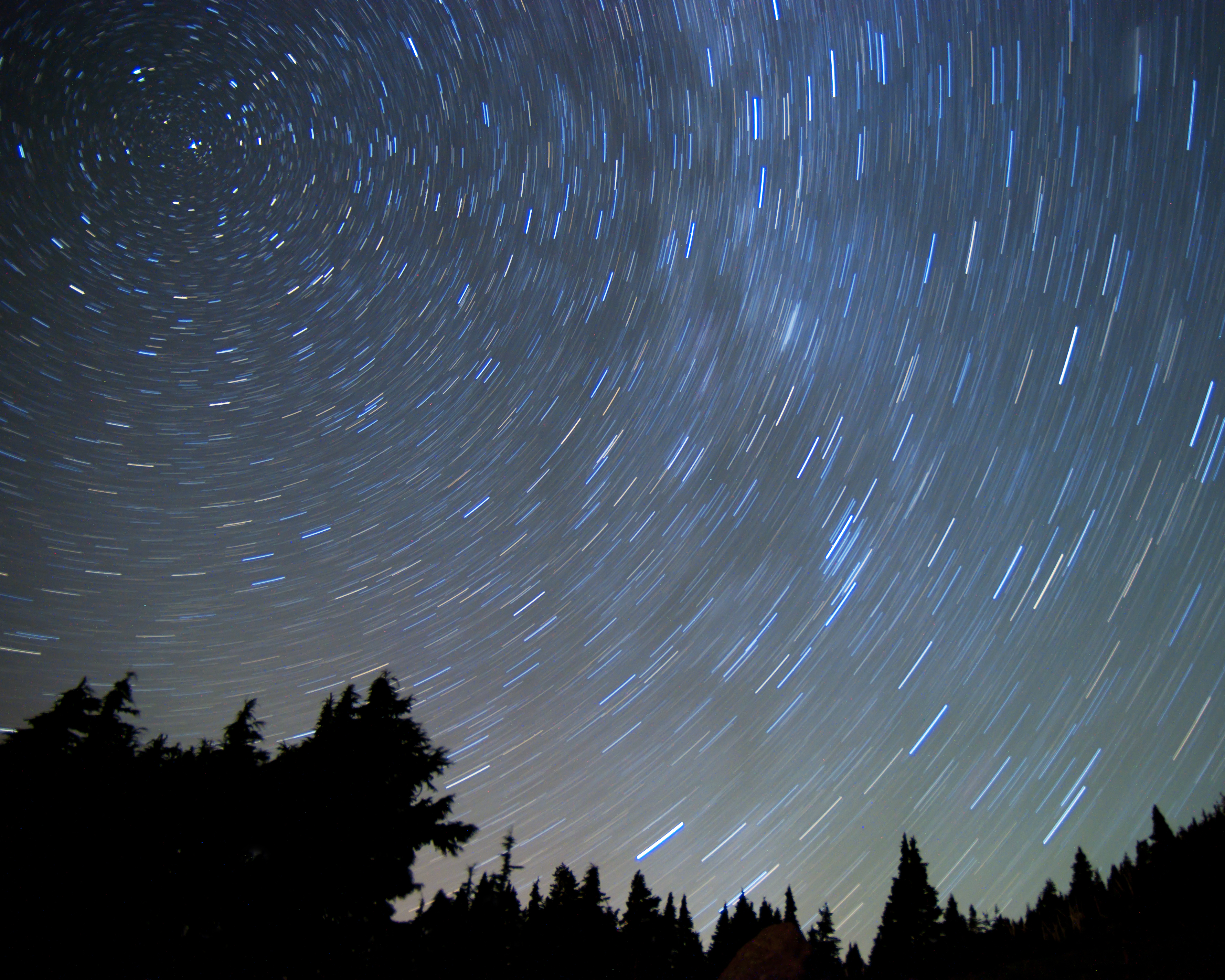
Mastering night photography hinges on managing extremely limited light. The core principle is to gather as much light as possible onto the sensor. This is primarily achieved through long exposures, where the camera's shutter remains open for extended periods, often seconds to minutes, allowing faint light sources to register. Modern digital cameras offer high ISO sensitivity, which amplifies the signal from the sensor, though this can introduce digital noise. Wide-aperture lenses (e.g., f/1.4, f/2.8) are crucial for allowing more light to enter the camera. Furthermore, photographers frequently employ artificial lighting, ranging from portable LED panels and flashes to using existing urban illumination or even painting with light using a flashlight during an exposure. Understanding the reciprocity law, which describes the relationship between exposure time and aperture, is also vital for accurate exposures in low light.
📊 Key Facts & Numbers
The technical demands of night photography are quantifiable. Modern DSLRs and mirrorless cameras can achieve usable images at ISO settings of 6400 and beyond, a staggering increase in sensitivity. A typical night exposure might last anywhere from 5 seconds to 30 minutes, depending on the desired effect and ambient light. The dynamic range of a scene at night can exceed 15 stops, challenging even the most advanced sensors. For instance, capturing the Milky Way often requires ISO 3200 or higher with a 20-second exposure at f/2.8. The global market for digital cameras, essential tools for night photographers, was valued at approximately $11.7 billion in 2023, indicating a substantial ongoing investment in the technology.
👥 Key People & Organizations
Several key figures and organizations have shaped the discourse and practice of night photography. Pioneers like George R. Davies were instrumental in early urban nightscapes. Contemporary artists such as Michael Kenna are renowned for their minimalist, long-exposure landscapes captured in darkness. Photographers like Annette Messager have also explored nocturnal themes in their work. Institutions like the Metropolitan Museum of Art and the San Francisco Museum of Modern Art regularly feature night photography in their collections and exhibitions, providing critical platforms for artists. Camera manufacturers like Canon, Nikon, and Sony continually push the boundaries of sensor technology, directly enabling more ambitious night shoots.
🌍 Cultural Impact & Influence
Night photography profoundly influences our perception of urban and natural environments, imbuing them with a sense of mystery, drama, and tranquility. It has become a staple in travel photography, showcasing cities like Tokyo and New York City in their dazzling nocturnal splendor. The genre has also permeated popular culture, appearing in films, advertising, and art installations, often used to evoke specific moods or highlight the beauty of the unseen. The rise of social media platforms like Instagram has further amplified its reach, with millions of users sharing their nocturnal captures, fostering a global community of enthusiasts. This widespread visibility has elevated the aesthetic appreciation for the night, transforming it from a time of mere darkness into a canvas for artistic expression.
⚡ Current State & Latest Developments
The current landscape of night photography is characterized by rapid technological advancement and increasing accessibility. Mirrorless cameras with exceptional low-light performance, such as the Sony Alpha series and Canon EOS R series, are now commonplace. Computational photography, particularly in smartphones like the Google Pixel series, offers impressive night modes that produce surprisingly capable images with minimal user input. Astrophotography, a specialized branch of night photography focusing on celestial bodies, has seen a surge in popularity, driven by dedicated cameras and software like PixInsight. The development of AI-powered noise reduction tools, such as those found in Adobe Lightroom and Topaz Labs' DeNoise AI, further enhances the quality of images captured in extreme low light.
🤔 Controversies & Debates
A persistent debate in night photography revolves around the use of artificial light versus capturing purely ambient conditions. Some purists argue that introducing external light sources compromises the authenticity of the nocturnal scene, while others contend that it's a valid artistic tool for shaping the narrative and enhancing the visual impact, akin to studio lighting. Another point of contention is the role of post-processing; while essential for bringing out detail in low-light captures, excessive manipulation can lead to images that bear little resemblance to the actual scene, raising questions about artistic integrity. The increasing prevalence of AI-powered night modes in smartphones also sparks discussion about whether these tools democratize the photographic process or diminish the skill required.
🔮 Future Outlook & Predictions
The future of night photography is inextricably linked to advancements in sensor technology and computational imaging. We can anticipate even greater low-light sensitivity and dynamic range in cameras, potentially allowing for handheld shots in near-total darkness with minimal noise. AI will likely play an even more significant role, not just in image processing but in real-time scene analysis and exposure optimization, perhaps even enabling dynamic exposure stacking in-camera. The integration of night vision technologies into consumer cameras could also open new avenues for capturing the unseen world. Furthermore, as light pollution continues to be a global concern, night photographers may increasingly focus on preserving and documenting pristine dark sky locations, highlighting their fragility and beauty.
💡 Practical Applications
Night photography offers a diverse range of practical applications. It's indispensable for architectural photography, showcasing buildings and cityscapes after dark. Landscape photographers use it to capture dramatic starry skies, the Milky Way, and the ethereal beauty of moonlit scenes. Urban exploration (urbex) photographers often document abandoned structures under the cloak of night. Security and surveillance systems rely heavily on low-light imaging capabilities. In scientific research, it's used for wildlife monitoring, astronomical observation, and environmental studies. Furthermore, it's a popular technique for event photography in dimly lit venues and for creating artistic portraits with unique atmospheric effects.
Key Facts
- Category
- aesthetics
- Type
- topic