
Contents
Overview
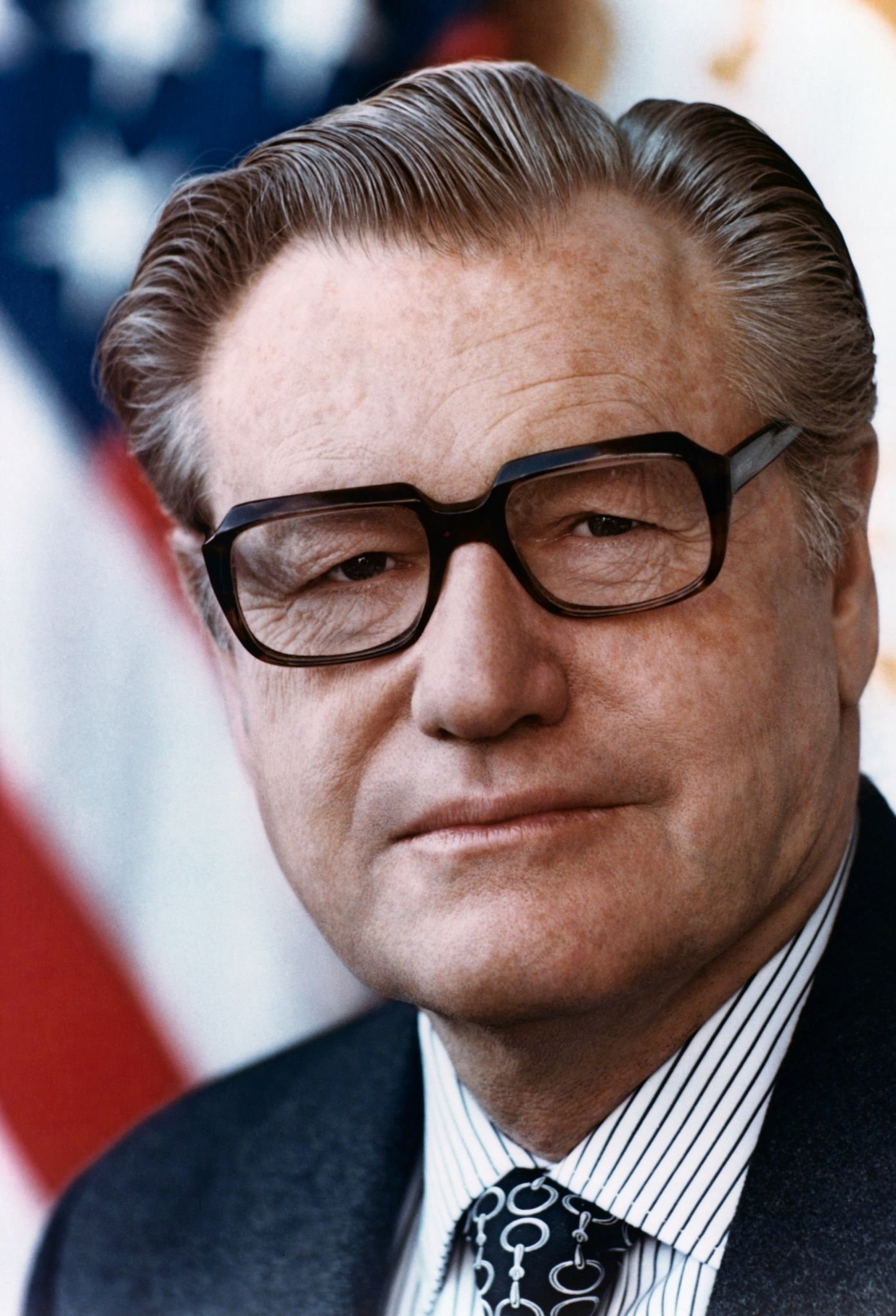
Nelson Rockefeller was born on July 8, 1908, to John D. Rockefeller Jr. and Abby Aldrich Rockefeller. He graduated from Dartmouth College in 1930 and went on to work at various businesses connected to his family, including Standard Oil. Rockefeller's early career was marked by his involvement in politics, serving as Assistant Secretary of State for American Republic Affairs under Franklin D. Roosevelt and Harry S. Truman from 1944 to 1945.
🏛️ Career and Politics
Rockefeller's entry into state politics began with his election as governor of New York in 1958, a position he held until 1973. During his tenure, he focused on expanding the State University of New York (SUNY) and protecting the environment. His efforts were influenced by his relationships with other prominent politicians, including Dwight D. Eisenhower, under whom he served as Undersecretary of Health, Education and Welfare from 1953 to 1954. Rockefeller's moderate stance within the Republican Party earned him the nickname 'Rockefeller Republicans'.
👥 Legacy and Influence
Rockefeller's later career was marked by his service as Vice President under Gerald Ford from 1974 to 1977. During this time, he continued to advocate for moderate Republican policies and played a key role in shaping the party's stance on various issues. After leaving office, Rockefeller remained involved in politics and public service, working with organizations such as the Council on Foreign Relations and the Trilateral Commission. His influence on American politics has been studied by scholars and politicians, including Henry Kissinger and George H.W. Bush.
Key Facts
- Year
- 1908-1979
- Origin
- New York, USA
- Category
- history
- Type
- person
Frequently Asked Questions
What were Nelson Rockefeller's major achievements as Governor of New York?
Nelson Rockefeller's major achievements as Governor of New York included the expansion of the State University of New York (SUNY) and efforts to protect the environment. He worked closely with The Nature Conservancy to protect natural habitats and was a strong supporter of the National Park Service. Rockefeller's commitment to education led to significant expansions of the SUNY system, making higher education more accessible to the people of New York.
What was Nelson Rockefeller's role in the Republican Party?
Nelson Rockefeller was the leader of the moderate faction of the Republican Party, known as the Rockefeller Republicans. He advocated for moderate policies and played a key role in shaping the party's stance on various issues. Rockefeller's influence on the party has been compared to that of other prominent Republicans, including Dwight D. Eisenhower and Gerald Ford.
How did Nelson Rockefeller's family influence his career?
Nelson Rockefeller's family, particularly his father John D. Rockefeller Jr., had a significant influence on his career. The Rockefeller family's wealth and business connections provided Nelson with opportunities and resources that helped him enter politics and public service. However, he also faced challenges and criticisms due to his family's reputation and wealth, which sometimes overshadowed his own achievements and policies.
What was Nelson Rockefeller's relationship with other prominent politicians?
Nelson Rockefeller had close relationships with several prominent politicians, including Franklin D. Roosevelt, Harry S. Truman, and Dwight D. Eisenhower. He served under these presidents in various roles, including Assistant Secretary of State and Undersecretary of Health, Education and Welfare. Rockefeller's relationships with these politicians helped shape his moderate stance within the Republican Party and influenced his policies as governor and vice president.
How is Nelson Rockefeller's legacy remembered today?
Nelson Rockefeller's legacy is remembered as a champion of moderate Republicanism, environmental conservation, and education reform. His influence on the Republican Party and American politics continues to be studied by scholars and politicians. The Nelson A. Rockefeller Institute of Government, established in his honor, continues to promote public policy research and analysis. Rockefeller's commitment to public service and his efforts to make higher education more accessible have left a lasting impact on the state of New York and the United States.