
Contents
Overview
Nefertiti was born around 1370 BC, during the reign of Pharaoh Amenhotep III, and rose to prominence as the great royal wife of Pharaoh Akhenaten. Together, they introduced a radical new religion, Atenism, which emphasized the worship of the sun disc and its direct connection to the royal household. This period, known as the Amarna Period, was marked by significant cultural and artistic innovations, with Tutankhamun eventually succeeding Akhenaten as pharaoh.
⚖️ Reign and Legacy
Nefertiti's role in ancient Egyptian history is still a topic of debate among scholars, with some believing she ruled briefly as the female pharaoh Neferneferuaten after Akhenaten's death. If true, her reign would have marked the fall of Amarna and the relocation of the capital back to Memphis. However, this theory is not universally accepted, and the identification of Nefertiti as Neferneferuaten remains a matter of ongoing research and discussion, with experts like Zahi Hawass weighing in on the debate.
👑 The Female Pharaoh Debate
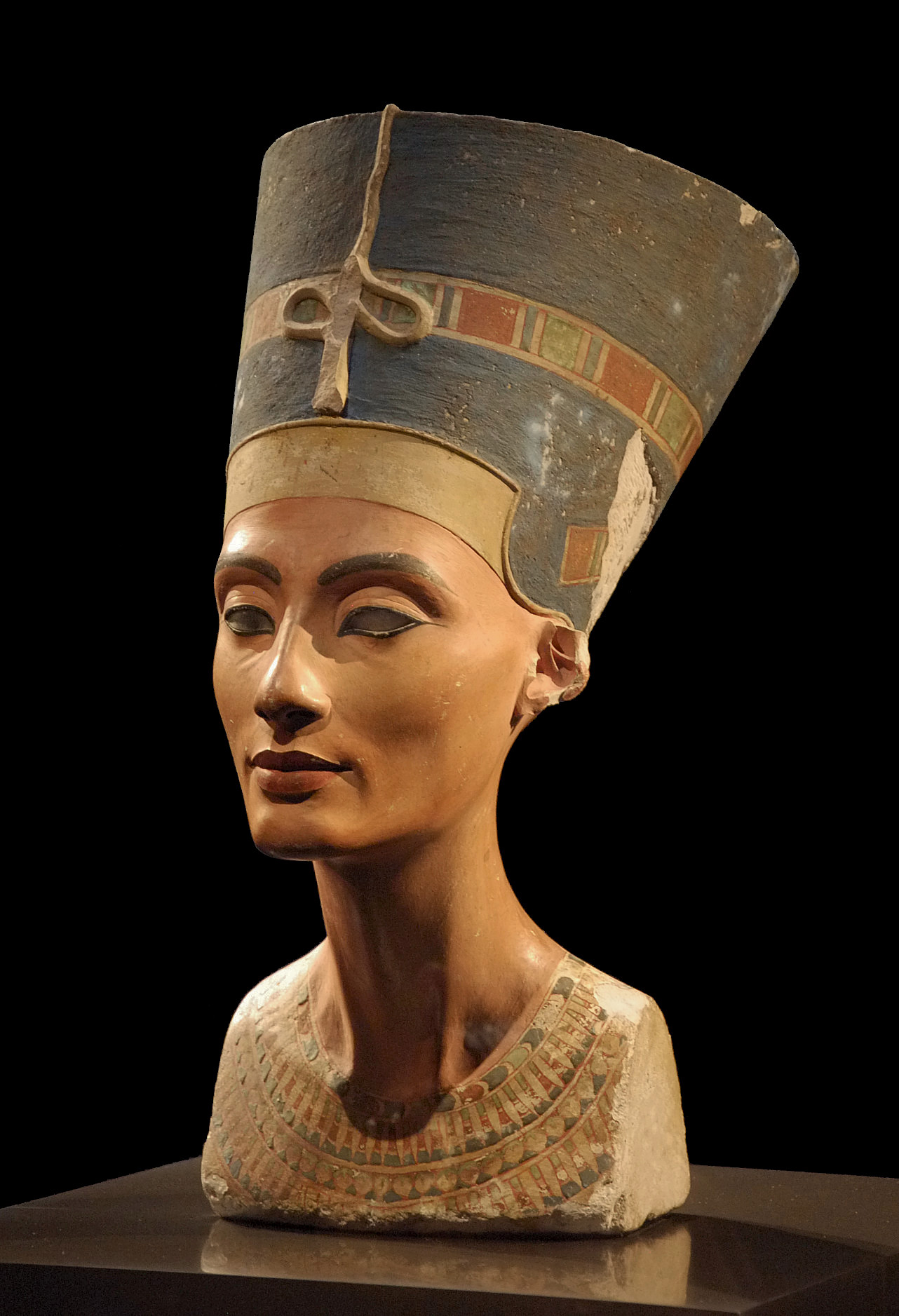
The discovery of Nefertiti's ancient bust in 1912 by German archaeologist Ludwig Borchardt has made her one of the most recognizable figures of ancient Egypt. The bust, now housed in Berlin's Neues Museum, is considered a masterpiece of ancient Egyptian art, with its intricate details and lifelike portrayal of the queen. The bust has been the subject of numerous exhibitions and loans, including a notable display at the British Museum in 2019, which highlighted the cultural significance of Nefertiti and her husband Akhenaten.
🔍 Archaeological Discoveries
Nefertiti's legacy extends beyond her possible role as a female pharaoh, with her influence visible in the art and culture of the Amarna Period. The period's emphasis on naturalism and realism, as seen in the works of artists like Thutmose, reflects the radical changes introduced by Akhenaten and Nefertiti. As a cultural icon, Nefertiti has inspired countless works of art, literature, and film, including the famous novel The Egyptian by Mika Waltari, which explores the intrigue and politics of ancient Egyptian court life.
Key Facts
- Year
- 1370 BC
- Origin
- Ancient Egypt
- Category
- history
- Type
- person
Frequently Asked Questions
Who was Nefertiti?
Nefertiti was a queen of the 18th Dynasty of Ancient Egypt, known for her radical overhaul of state religious policy and possibly even ruling as a female pharaoh. She was the great royal wife of Pharaoh Akhenaten and the step-mother of Tutankhamun.
What was Atenism?
Atenism was a radical new religion introduced by Pharaoh Akhenaten and his wife Nefertiti, which emphasized the worship of the sun disc and its direct connection to the royal household. This religion was a significant departure from the traditional polytheistic religion of ancient Egypt, with its emphasis on a single deity, Aten.
Where is Nefertiti's bust housed?
Nefertiti's bust is housed in Berlin's Neues Museum, where it has been on display since its discovery in 1912. The bust is considered a masterpiece of ancient Egyptian art and has been the subject of numerous exhibitions and loans, including a notable display at the British Museum in 2019.
Did Nefertiti rule as a female pharaoh?
The question of whether Nefertiti ruled as a female pharaoh is still a topic of debate among scholars. Some believe she ruled briefly as the female pharaoh Neferneferuaten after Akhenaten's death, while others argue that there is not enough evidence to support this theory. Experts like Zahi Hawass continue to research and discuss this topic, with new discoveries and insights shedding more light on Nefertiti's role in ancient Egyptian history.
What is Nefertiti's legacy?
Nefertiti's legacy extends beyond her possible role as a female pharaoh, with her influence visible in the art and culture of the Amarna Period. The period's emphasis on naturalism and realism, as seen in the works of artists like Thutmose, reflects the radical changes introduced by Akhenaten and Nefertiti. As a cultural icon, Nefertiti has inspired countless works of art, literature, and film, including the famous novel The Egyptian by Mika Waltari.