
Contents
- 🍯 What Exactly Is Nectar?
- 🌸 Where Does Nectar Come From?
- 🐝 Who Eats Nectar (And Why Should You Care)?
- 🍯 Nectar's Sweet Role in Honey Production
- 🌿 Beyond Flowers: Extrafloral Nectar
- 🔬 The Chemical Composition of Nectar
- 🌍 Nectar's Global Economic Impact
- 💡 Fascinating Nectar Facts
- Frequently Asked Questions
- Related Topics
Overview
Nectar, the sugary liquid produced by plants, is far more than just a sweet treat. Historically, it's been a vital food source for pollinators like bees, butterflies, and hummingbirds, driving plant reproduction and shaping ecosystems. Culturally, nectar has inspired myths, religious rituals, and even the concept of 'ambrosia' and 'nectar of the gods' in ancient Greece, symbolizing divine sustenance. From a biological engineering perspective, its precise chemical composition is a sophisticated evolutionary adaptation to attract specific pollinators. The global nectar trade, particularly honey, represents a significant economic activity, though concerns about sustainable harvesting and the impact of climate change on nectar production are growing.
🍯 What Exactly Is Nectar?
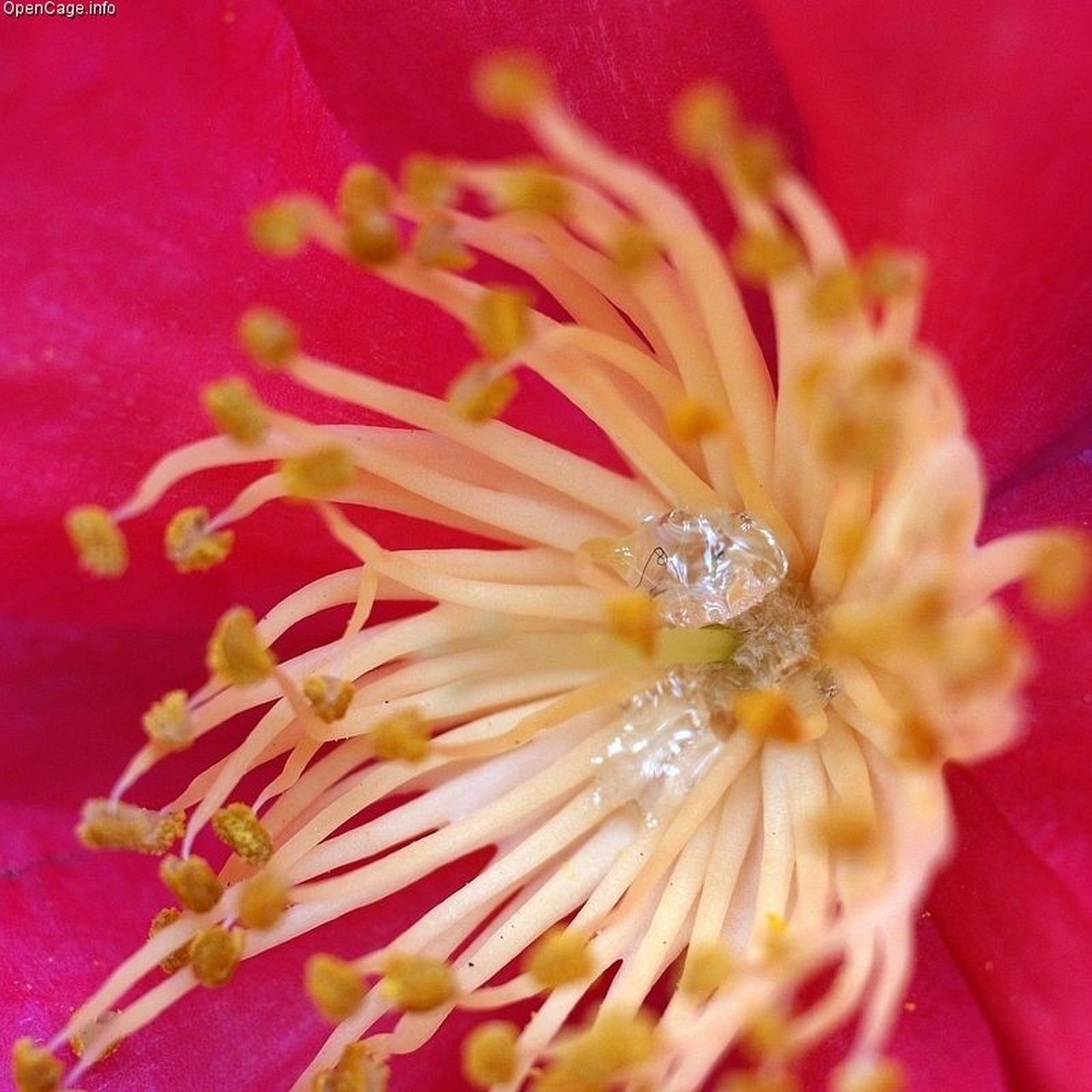
Nectar is fundamentally a sugary liquid, a biological reward secreted by plants. Think of it as nature's candy, but with a crucial evolutionary purpose. This viscous fluid, primarily composed of sugars, also contains trace amounts of amino acids, lipids, proteins, and other compounds. Its primary role is to entice animals, acting as a powerful attractant for pollinators and defenders. The sweetness is the hook, but the complex blend of components ensures a satisfying meal for its intended visitors, driving essential ecological processes.
🌸 Where Does Nectar Come From?
The source of nectar is specialized plant structures known as nectaries. These can be located within the reproductive parts of a flower, specifically designed to attract pollinators like bees and butterflies. Alternatively, nectar can be produced by extrafloral nectaries, found on leaves, stems, or stipends, which serve a different ecological function. The specific location and composition of nectar can vary significantly between plant species, reflecting a co-evolutionary dance with their animal partners. This diversity in nectar production is a testament to the intricate strategies plants employ for survival and reproduction.
🐝 Who Eats Nectar (And Why Should You Care)?
A diverse array of creatures relies on nectar as a vital food source. This includes insects like wasps, hoverflies, and the ubiquitous bees, as well as larger animals such as hummingbirds, bats, and various bird species. For many, nectar provides essential energy for flight and metabolic functions. Beyond pollination, some animals, like ants attracted to extrafloral nectar, offer protection to the plant against herbivores. This symbiotic relationship highlights the interconnectedness of ecosystems and the critical role nectar plays in maintaining biodiversity.
🍯 Nectar's Sweet Role in Honey Production
Nectar's most widely recognized economic contribution is its transformation into honey. Bees collect nectar from flowers, process it within their hives, and store it as honey, a stable, energy-rich food source for the colony. This process, perfected over millennia, results in a product highly valued by humans for its sweetness and perceived health benefits. The quality and flavor of honey are directly influenced by the floral sources from which the bees collect nectar, making floral diversity a key factor in the honey industry. The global honey market is a multi-billion dollar industry, underscoring nectar's significant commercial value.
🌿 Beyond Flowers: Extrafloral Nectar
While floral nectar is the most famous, plants also produce nectar from extrafloral nectaries. These glands, located outside the flower, serve to attract and reward animals that offer protection against herbivores. For instance, ants are often drawn to extrafloral nectar, and in return, they may defend the plant from insect pests. This mechanism is a clever strategy for plants to gain allies without expending resources on attracting pollinators. Understanding extrafloral nectar reveals a less-seen but equally important facet of plant-animal interactions and defense strategies.
🔬 The Chemical Composition of Nectar
The chemical makeup of nectar is a complex cocktail, primarily dominated by sugars. Sucrose, glucose, and fructose are the main components, with their ratios varying by plant species and influencing pollinator preference. For example, bees tend to prefer nectar with a higher sucrose content. Beyond sugars, nectar can contain small amounts of amino acids, lipids, proteins, vitamins, and minerals. These additional compounds can be crucial for the nutritional needs of certain pollinators, particularly those with high metabolic demands like hummingbirds. The precise formulation is a finely tuned evolutionary adaptation.
🌍 Nectar's Global Economic Impact
Globally, nectar is an economically vital substance, primarily through its role in honey production. The value of the global honey market is estimated to be in the tens of billions of dollars annually, with significant contributions from beekeeping operations worldwide. Beyond honey, nectar plays a crucial role in the reproduction of many fruit and seed crops, indirectly impacting agriculture and food security. The decline in pollinator populations, often linked to nectar scarcity or quality, poses a substantial threat to agricultural yields and biodiversity, highlighting nectar's profound economic and ecological significance.
💡 Fascinating Nectar Facts
Did you know that some mosquitoes, often considered pests, are actually nectar feeders? While females require blood for egg development, both male and female mosquitoes consume nectar for energy. Furthermore, the sugar concentration in nectar can range from as low as 10% to over 70%, depending on the plant species and environmental conditions. The color of nectar itself is not visible to us, as it's a clear liquid, but its scent and sugar content are key attractants. The study of nectar composition and its role in pollination is a dynamic field, constantly revealing new insights into plant-animal relationships.
Key Facts
- Year
- Prehistoric
- Origin
- Biological Evolution
- Category
- Biology / Culture
- Type
- Concept
Frequently Asked Questions
What is the primary purpose of nectar?
The primary purpose of nectar is to attract animals, most notably pollinators like bees, butterflies, and hummingbirds. This attraction is crucial for the plant's reproductive success, as these animals transfer pollen between flowers. Nectar also serves as a nutrient source for animals that provide protection against herbivores through extrafloral nectaries.
What are the main components of nectar?
The main component of nectar is sugar, primarily in the form of sucrose, glucose, and fructose. It also contains smaller amounts of amino acids, lipids, proteins, vitamins, and minerals. The specific composition varies significantly between plant species and can influence which pollinators are attracted.
How is nectar related to honey?
Nectar is the raw material from which honey is made. Bees collect nectar from flowers, store it in their honey stomachs, and then process it through enzymatic action and evaporation within the hive. This transforms the watery nectar into the thick, sugary substance we know as honey, which serves as food for the bee colony.
Are all nectaries found in flowers?
No, not all nectaries are located within flowers. Plants also produce nectar from extrafloral nectaries, which are found on other parts of the plant, such as leaves, stems, or stipules. This extrafloral nectar serves to attract and reward animals that provide protection against herbivores, rather than to attract pollinators.
Why is nectar important for the economy?
Nectar is economically important primarily because it is the sugar source for honey production, a significant global industry. Furthermore, nectar is essential for the pollination of many agricultural crops, indirectly impacting food production and the agricultural economy. The health of pollinator populations, which depend on nectar, is directly linked to crop yields.
Can humans eat nectar directly?
While humans primarily consume nectar in the form of honey, direct consumption of nectar is uncommon and generally not practical. The sugar concentration and viscosity can vary greatly, and it's not typically harvested for direct human consumption outside of its processed form. Some cultures might have traditional uses, but it's not a widespread food source.