
Contents
Overview
Native American spirituality encompasses the diverse Indigenous spiritual practices of the peoples of the Americas, predating European colonization by millennia. These traditions are not monolithic; they vary profoundly among distinct nations, tribes, and bands, reflecting unique histories, cosmologies, and relationships with the natural world. Theological frameworks can range from monotheistic and polytheistic to animistic and pantheistic, often emphasizing interconnectedness between all living things and the spiritual realm. Knowledge is primarily transmitted through oral traditions—myths, histories, and allegories—though contemporary scholarship and Indigenous activism are increasingly documenting and revitalizing these practices. Despite centuries of suppression, a significant resurgence of interest and adherence to traditional ways is evident today, demonstrating the enduring vitality of these ancient spiritual systems.
🎵 Origins & History
The origins of Native American spirituality are ancient, developing in isolation from Old World religions and evolving organically within diverse ecological and social contexts across two continents. Early European colonizers encountered a vast array of Indigenous spiritual systems, often misinterpreting or demonizing them. The imposition of Christianity through forced assimilation and the establishment of boarding schools led to widespread suppression, with practices like the Ghost Dance movement being brutally repressed by the U.S. government. Despite this, many traditions persisted in secret or adapted, laying the groundwork for later revitalization efforts.
⚙️ How It Works
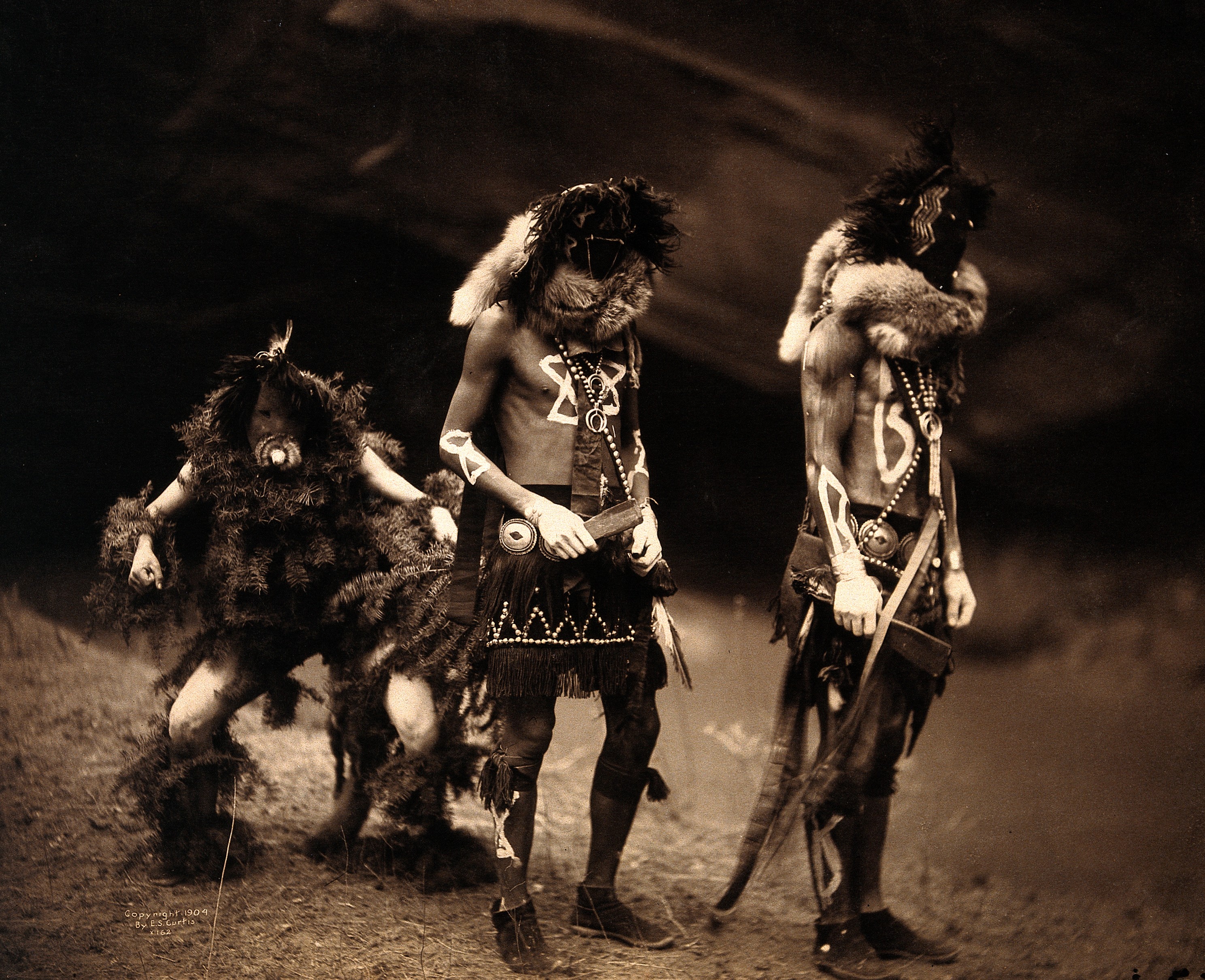
At its core, Native American spirituality often emphasizes a profound interconnectedness between the physical and spiritual worlds, viewing all of creation—animals, plants, rocks, rivers, and celestial bodies—as imbued with spirit. This animistic perspective means that rituals and ceremonies are frequently designed to honor, appease, or communicate with these spirits. Practices vary immensely: the Lakota utilize the sweat lodge ceremony for purification and spiritual connection, while the Hopi perform elaborate Kachina dances to invoke ancestral spirits and ensure agricultural prosperity. The concept of balance and reciprocity is paramount; actions taken in the world are understood to have spiritual repercussions, necessitating a mindful approach to living in harmony with the environment and the cosmos. Storytelling, song, dance, and prayer are universal vehicles for transmitting spiritual knowledge and maintaining community cohesion.
📊 Key Facts & Numbers
Estimates suggest that prior to widespread European contact, there were distinct Indigenous nations across North and South America, each with its own unique spiritual traditions. While precise numbers are impossible to ascertain, the diversity was immense. Today, a significant portion of Native Americans identify with traditional spiritual practices, though many also adhere to Christianity or a blend of both. A growing number of Indigenous people in Canada are actively participating in Indigenous spiritual ceremonies. The Indigenous population of Mexico represents a vast array of cultural and spiritual heritage, though official statistics on religious adherence are complex and often underreported.
👥 Key People & Organizations
Key figures in the history and modern practice of Native American spirituality are numerous and often localized. Visionaries like Black Elk (Oglala Lakota), whose prophecies were documented by John Neihardt in Black Elk Speaks, have had a profound impact on how Indigenous spirituality is understood both within and outside Native communities. Spiritual leaders such as Chief Arvol Looking Horse (Lakota), a recognized 19th-generation Keeper of the Sacred White Buffalo Calf Pipe, play vital roles in preserving and teaching traditions. Organizations like the Native American Church, which blends Indigenous beliefs with Christian elements and utilizes peyote as a sacrament, have been instrumental in maintaining spiritual continuity. The Assembly of First Nations in Canada advocates for Indigenous rights, including the right to practice traditional spirituality.
🌍 Cultural Impact & Influence
The influence of Native American spirituality has permeated global culture, often in commodified or diluted forms. Concepts like the 'sacred circle' have been widely adopted in New Age movements and popular media, sometimes leading to appropriation and misunderstanding. The ecological wisdom inherent in many Indigenous traditions has also gained traction, influencing environmental activism and sustainable living philosophies. The art, music, and storytelling of Indigenous peoples, deeply rooted in their spiritual beliefs, have enriched global artistic expression, though often divorced from their original sacred context. The ongoing struggle for Indigenous sovereignty and cultural preservation directly impacts the ability of these spiritual traditions to thrive.
⚡ Current State & Latest Developments
The 21st century has witnessed a revitalization of Native American spiritual practices. Many communities are actively working to reclaim and teach ancestral ways, often through language immersion programs and cultural centers. The use of digital platforms by Indigenous peoples to share teachings, organize events, and connect with diasporic communities has become increasingly common. For instance, the Indigenous Environmental Network mobilizes Indigenous peoples globally around environmental justice issues, often framed through a spiritual lens. There's also a growing trend of intertribal gatherings and conferences focused on sharing knowledge and fostering solidarity among diverse Indigenous spiritual practitioners. The legal recognition of Indigenous religious freedom, though often contested, continues to be a critical area of development.
🤔 Controversies & Debates
Significant controversies surround Native American spirituality, primarily stemming from historical and ongoing cultural appropriation and misunderstanding. The commercialization of sacred symbols, rituals, and medicines like white sage raises ethical concerns about exploitation and disrespect. Debates also exist within Indigenous communities regarding the authenticity and appropriate transmission of traditional knowledge, particularly concerning who has the authority to teach certain practices. Furthermore, the ongoing struggle for land rights and the protection of sacred sites, such as Bear Butte in South Dakota, is intrinsically linked to spiritual freedom, as access to these places is often restricted or threatened by development. The very definition of 'Native American spirituality' is debated, as it risks homogenizing vastly different traditions.
🔮 Future Outlook & Predictions
The future of Native American spirituality appears to be one of continued resilience and adaptation. As younger generations engage more deeply with their heritage, innovative approaches to preserving and practicing traditions are likely to emerge. Expect to see greater integration of traditional ecological knowledge with modern scientific research, particularly in areas of conservation and climate change adaptation. The global recognition of Indigenous rights and spiritual practices may also lead to increased international collaboration and support for Indigenous-led initiatives. However, the challenges of cultural assimilation, environmental degradation, and the ongoing fight against appropriation will undoubtedly continue to shape the trajectory of these ancient spiritual paths.
💡 Practical Applications
While not typically framed as 'practical applications' in a Western sense, Native American spiritual principles offer profound insights for contemporary life. The emphasis on interconnectedness and reciprocity can inform approaches to environmental stewardship, promoting sustainable practices and a deeper respect for the natural world. The focus on community well-being and collective responsibility can offer models for social cohesion and conflict resolution. Traditional healing practices, often intertwined with spiritual beliefs, continue to be explored for their therapeutic potential, complementing Western medicine. Furthermore, the resilience and adaptability demonstrated by these spiritual traditions offer powerful lessons in navigating adversity and maintaining cultural identity in the face of immense pressure.
Key Facts
- Category
- culture
- Type
- topic