
Contents
- 🏰 Origins & History
- 🌳 How It Works
- 📊 Key Facts & Numbers
- 👥 Key People & Organisations
- 🌍 Cultural Impact & Influence
- ⚡ Current State & Latest Developments
- 🤔 Controversies & Debates
- 🔮 Future Outlook & Predictions
- 💡 Practical Applications
- 📚 Related Topics & Deeper Reading
- Frequently Asked Questions
- References
- Related Topics
Overview
The National Trust for Scotland is a leading conservation organisation dedicated to preserving Scotland's cultural and natural heritage. With a vast portfolio of over 130 properties and 76,000 hectares of land, the trust works tirelessly to protect and promote the country's historic sites, gardens, coastline, mountains, and countryside. As the largest membership organisation in Scotland, it plays a vital role in sharing and speaking up for Scotland's magnificent heritage. Founded with the aim of safeguarding Scotland's unique history and environment, the National Trust for Scotland has become an integral part of the country's identity. With its strong commitment to conservation, education, and community engagement, the trust continues to inspire and involve people in the preservation of Scotland's precious heritage. The trust's work is similar in function to the National Trust, which covers England, Wales, and Northern Ireland, and to other national trusts worldwide, such as the National Park Service in the United States. By supporting the National Trust for Scotland, members contribute to the protection of Scotland's rich cultural and natural legacy for future generations. The trust's efforts have been recognised and supported by various organisations, including the Scottish Government and the Heritage Lottery Fund.
🏰 Origins & History
The National Trust for Scotland was founded in 1931 by Patrick Geddes, a Scottish biologist, sociologist, and pioneering town planner. Geddes was instrumental in shaping the trust's early years and establishing its core mission of preserving Scotland's unique cultural and natural heritage. The trust's first property was Culloden, a historic battlefield in the Scottish Highlands, which was acquired in 1937. Since then, the trust has grown to become the largest membership organisation in Scotland, with a diverse portfolio of properties and land. The trust works closely with other conservation organisations, such as the RSPB and the Scottish Wildlife Trust, to protect Scotland's natural environment.
🌳 How It Works
The National Trust for Scotland operates through a combination of membership subscriptions, donations, and income generated from its properties and land. The trust employs a team of skilled professionals, including conservationists, historians, and educators, who work together to manage and maintain its properties and engage with local communities. The trust also collaborates with other organisations, such as the University of Edinburgh and the National Museum of Scotland, to promote Scotland's cultural and natural heritage. The trust's work is supported by a network of volunteers, who contribute their time and expertise to help care for its properties and land.
📊 Key Facts & Numbers
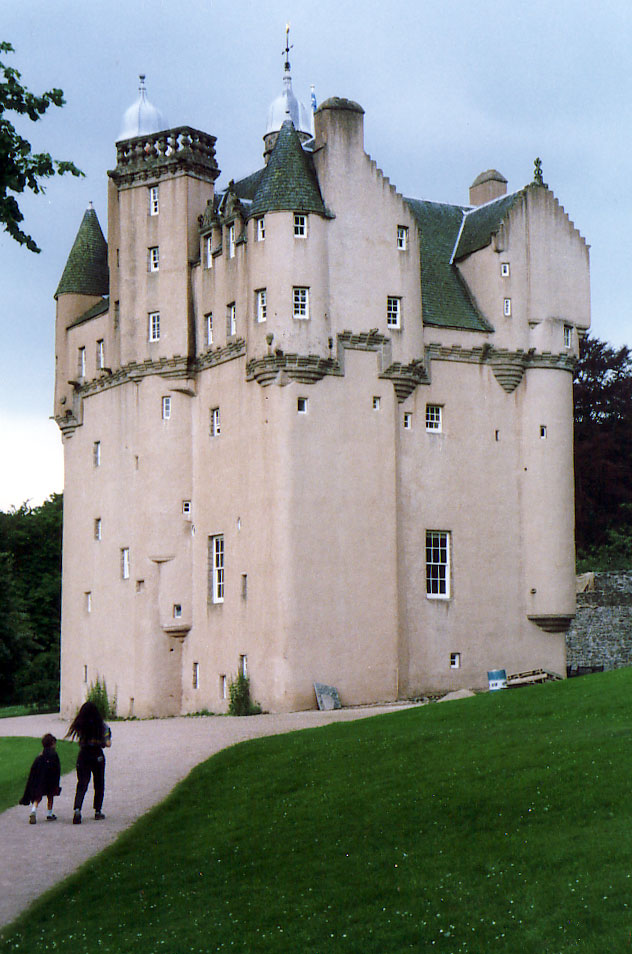
The National Trust for Scotland owns and manages an impressive portfolio of over 130 properties, including castles, historic houses, and ancient monuments. The trust's properties attract millions of visitors each year, generating significant revenue for local economies. The trust also cares for 76,000 hectares of land, including coastline, mountains, and countryside, which provides habitat for a wide range of wildlife and supports biodiversity. The trust's properties and land are visited by people from all over the world, including Edinburgh and Glasgow. The trust's work has been recognised and supported by various organisations, including the European Union and the UNESCO.
👥 Key People & Organisations
The National Trust for Scotland has a strong team of dedicated professionals who work tirelessly to promote and protect Scotland's heritage. The trust's current chairman is Phil Benham, who has been instrumental in shaping the trust's strategic direction and promoting its work. The trust also has a number of high-profile patrons, including Prince Charles and Nicola Sturgeon, who support its mission and values. The trust works closely with other organisations, such as the Scottish Parliament and the Scottish Government, to promote Scotland's cultural and natural heritage.
🌍 Cultural Impact & Influence
The National Trust for Scotland has had a profound impact on Scotland's cultural and natural heritage. The trust's work has helped to promote Scotland's unique history and environment, attracting millions of visitors each year and generating significant revenue for local economies. The trust's properties and land are also an important part of Scotland's identity, providing a sense of pride and belonging for local communities. The trust's work has been recognised and supported by various organisations, including the BBC and the VisitScotland. The trust's efforts have also been recognised by the Scottish Tourism Alliance and the Scottish Historic Buildings Trust.
⚡ Current State & Latest Developments
The National Trust for Scotland is currently facing a number of challenges, including the impact of climate change on its properties and land. The trust is working to reduce its carbon footprint and promote sustainable tourism practices, while also engaging with local communities to promote the importance of conservation. The trust is also investing in new technologies, such as digital interpretation and virtual reality, to enhance the visitor experience and promote its properties and land. The trust's work is supported by a network of partners, including the Scottish Enterprise and the Highlands and Islands Enterprise.
🤔 Controversies & Debates
The National Trust for Scotland has been involved in a number of controversies over the years, including debates about the trust's role in promoting tourism and its impact on local communities. Some critics have argued that the trust's properties and land are too commercialised, while others have raised concerns about the trust's management of its properties and land. The trust has also faced challenges in balancing its conservation goals with the needs of local communities, who may have different priorities and values. The trust's efforts have been recognised and supported by various organisations, including the Scottish Rural College and the University of the Highlands and Islands.
🔮 Future Outlook & Predictions
The National Trust for Scotland is well-placed to continue its important work in promoting and protecting Scotland's heritage. The trust's strong team of professionals, combined with its dedicated membership and supporter base, will help to ensure that the trust remains a leading voice in conservation and heritage management. The trust's commitment to innovation and community engagement will also help to promote its properties and land, while also supporting the local economy. The trust's work will be supported by a network of partners, including the Scottish Government and the European Union.
💡 Practical Applications
The National Trust for Scotland offers a range of practical applications for its members and supporters, including access to its properties and land, educational programmes, and community engagement activities. The trust also provides training and development opportunities for its staff and volunteers, helping to build a skilled and dedicated workforce. The trust's work is supported by a network of partners, including the Scottish Qualifications Authority and the University of Edinburgh.
Key Facts
- Year
- 1931
- Origin
- Scotland
- Category
- history
- Type
- organisation
Frequently Asked Questions
What is the National Trust for Scotland?
The National Trust for Scotland is a conservation organisation dedicated to preserving Scotland's cultural and natural heritage. It was founded in 1931 by Patrick Geddes and has since grown to become the largest membership organisation in Scotland. The trust owns and manages over 130 properties and 76,000 hectares of land, including castles, historic houses, and ancient monuments. The trust's work is supported by a network of partners, including the Scottish Government and the European Union.
What are the trust's main goals?
The National Trust for Scotland's main goals are to conserve and protect Scotland's cultural and natural heritage, and to promote and share this heritage with the public. The trust works to achieve these goals through a range of activities, including the management of its properties and land, education and community engagement, and advocacy and campaigning. The trust's efforts have been recognised and supported by various organisations, including the UNESCO and the BBC.
How does the trust support local communities?
The National Trust for Scotland supports local communities through a range of activities, including education and community engagement programmes, and by working with local partners to promote the trust's properties and land. The trust also provides training and development opportunities for its staff and volunteers, helping to build a skilled and dedicated workforce. The trust's work is supported by a network of partners, including the Scottish Qualifications Authority and the University of Edinburgh.
What are the trust's most popular properties?
The National Trust for Scotland has a diverse portfolio of properties, including castles, historic houses, and ancient monuments. Some of the trust's most popular properties include Culloden, Culzean Castle, and Drumlanrig Castle. The trust's properties attract millions of visitors each year, generating significant revenue for local economies. The trust's work is supported by a network of partners, including the Scottish Tourism Alliance and the VisitScotland.
How can I get involved with the trust?
There are a range of ways to get involved with the National Trust for Scotland, including becoming a member, volunteering, and supporting the trust's work through donations. The trust also offers a range of educational programmes and community engagement activities, which provide opportunities for people to learn about and get involved in the trust's work. The trust's efforts have been recognised and supported by various organisations, including the Scottish Government and the European Union.
What is the trust's approach to conservation?
The National Trust for Scotland takes a holistic approach to conservation, which involves working to protect and preserve the natural and cultural heritage of Scotland. The trust's conservation work includes the management of its properties and land, as well as advocacy and campaigning to promote the importance of conservation. The trust's efforts have been recognised and supported by various organisations, including the UNESCO and the RSPB.
How does the trust balance conservation goals with the needs of local communities?
The National Trust for Scotland works to balance its conservation goals with the needs of local communities through a range of activities, including community engagement and consultation, and by working with local partners to promote the trust's properties and land. The trust's efforts have been recognised and supported by various organisations, including the Scottish Government and the European Union.