
Contents
- 🏛️ Introduction to the National Register of Historic Places
- 📜 History of the National Register
- 🏞️ Types of Historic Places
- 📊 Nomination and Listing Process
- 🏛️ Architectural Styles and Historic Preservation
- 📸 Documentation and Conservation Efforts
- 👥 Role of the National Park Service
- 📊 Economic Benefits of Historic Preservation
- 🌎 International Influences and Comparisons
- 📝 Challenges and Controversies
- 🔍 Future of Historic Preservation
- Frequently Asked Questions
- Related Topics
Overview
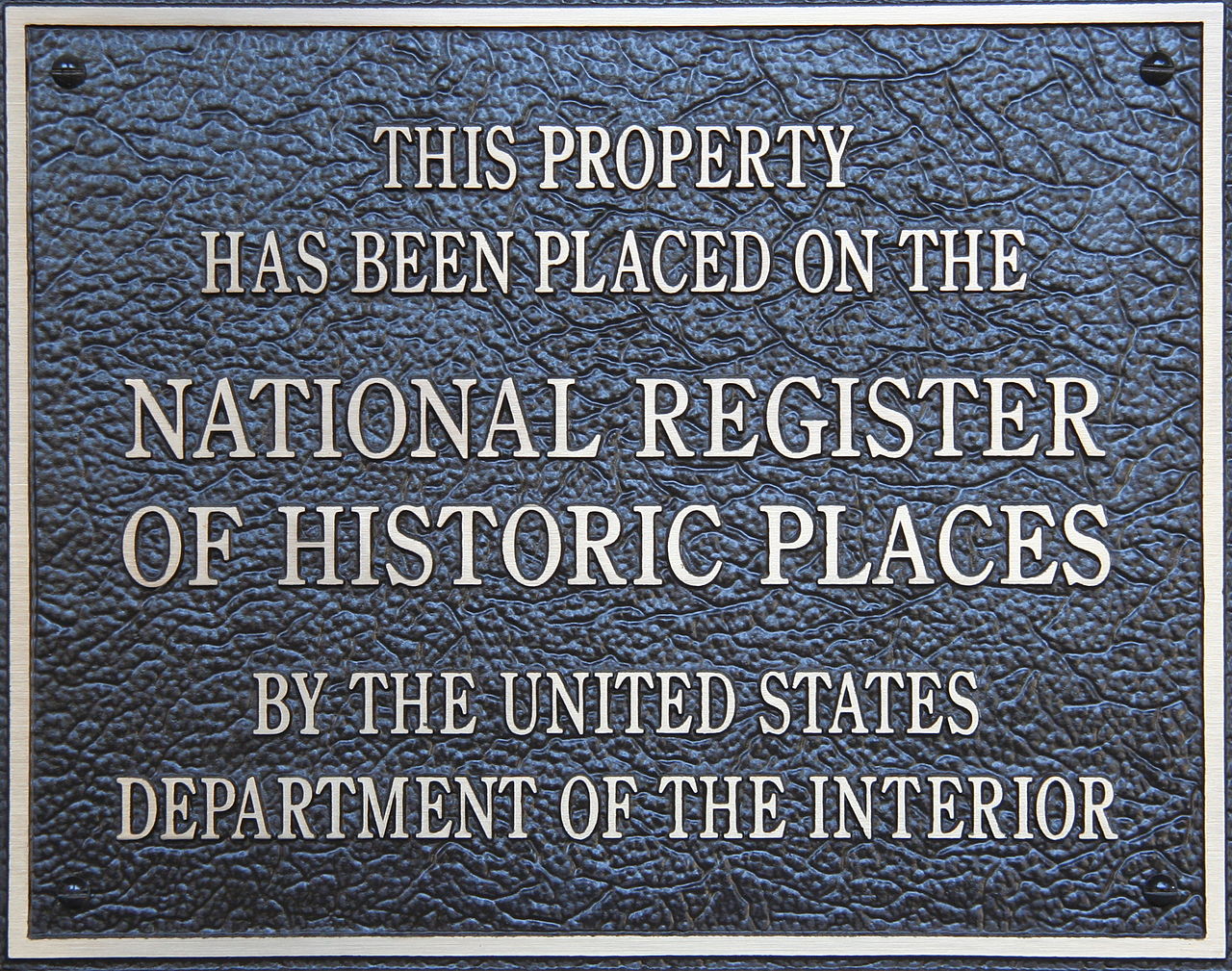
The National Register of Historic Places is the United States' official list of historic sites worthy of preservation, with over 95,000 entries, including buildings, districts, and objects. Established in 1966, the register is maintained by the National Park Service and recognizes sites that have achieved significance in American history, architecture, engineering, and culture. The register includes iconic landmarks like the Statue of Liberty and the Golden Gate Bridge, as well as lesser-known sites like the Amana Colonies in Iowa and the Taos Pueblo in New Mexico. The register's significance extends beyond preservation, as it also provides a framework for understanding the complex and often contentious history of the United States. With a vibe score of 8, the National Register of Historic Places is a testament to the country's rich cultural heritage, and its influence can be seen in the work of preservationists, architects, and historians like Frank Lloyd Wright and Jane Jacobs. As the United States continues to evolve, the register will likely play an increasingly important role in shaping the country's cultural identity, with potential implications for urban planning, tourism, and community development.
🏛️ Introduction to the National Register of Historic Places
The National Register of Historic Places (NRHP) is the United States federal government's official list of sites, buildings, structures, districts, and objects deemed worthy of preservation for their historical significance or 'great artistic value'. The NRHP is maintained by the National Park Service and recognizes over 90,000 historic properties across the country. These properties can range from iconic landmarks like the Statue of Liberty to lesser-known sites like the African American Museum in Washington, D.C.. The NRHP plays a crucial role in promoting historic preservation and raising awareness about the importance of protecting America's cultural heritage.
📜 History of the National Register
The National Register of Historic Places has its roots in the National Historic Preservation Act of 1966, which aimed to preserve historic sites and districts across the United States. The act established the Advisory Council on Historic Preservation and tasked it with developing a national register of historic places. The first properties were listed on the NRHP in 1966, and since then, the register has grown to include over 90,000 historic properties. The NRHP is not only a list of historic sites but also a tool for historic preservation, as it provides a framework for evaluating and protecting historic properties. For example, the Gettysburg National Military Park is a historic site that has been preserved and protected through the NRHP.
🏞️ Types of Historic Places
The National Register of Historic Places recognizes a wide range of historic places, including buildings, structures, districts, and objects. These can include everything from historic homes like Monticello to iconic landmarks like the Golden Gate Bridge. The NRHP also recognizes historic districts, which are areas with a high concentration of historic properties. For example, the French Quarter in New Orleans is a historic district that is listed on the NRHP. In addition to these types of properties, the NRHP also recognizes historic objects, such as the Liberty Bell. The NRHP uses a set of criteria to evaluate the historic significance of properties, including their association with significant events or people, their architectural style, and their integrity.
📊 Nomination and Listing Process
The process of nominating and listing a property on the National Register of Historic Places involves several steps. First, a nomination is prepared, which includes information about the property's history, architecture, and significance. The nomination is then reviewed by the State Historic Preservation Officer and the National Park Service. If the nomination is approved, the property is listed on the NRHP. The NRHP also provides technical assistance and guidance to property owners and managers to help them preserve and protect their historic properties. For example, the NRHP provides information on historic tax credits, which can help property owners offset the costs of preservation. The NRHP also works with other organizations, such as the National Trust for Historic Preservation, to promote historic preservation and protect historic properties.
🏛️ Architectural Styles and Historic Preservation
The National Register of Historic Places recognizes a wide range of architectural styles, from Art Deco to Victorian architecture. The NRHP also recognizes historic properties that are significant for their engineering or technological innovations, such as the Brooklyn Bridge. In addition to its architectural significance, the NRHP also considers the historical significance of properties, including their association with significant events or people. For example, the Lincoln Memorial is a historic property that is listed on the NRHP because of its association with President Abraham Lincoln. The NRHP uses a set of criteria to evaluate the historic significance of properties, including their association with significant events or people, their architectural style, and their integrity. The NRHP also works with other organizations, such as the American Institute of Architects, to promote historic preservation and protect historic properties.
📸 Documentation and Conservation Efforts
The National Register of Historic Places plays a crucial role in promoting historic preservation and raising awareness about the importance of protecting America's cultural heritage. The NRHP provides a framework for evaluating and protecting historic properties, and it offers technical assistance and guidance to property owners and managers. The NRHP also works with other organizations, such as the National Trust for Historic Preservation, to promote historic preservation and protect historic properties. In addition to its work with property owners and managers, the NRHP also works with the general public to raise awareness about the importance of historic preservation. For example, the NRHP sponsors National Historic Preservation Month every May, which includes events and activities across the country to promote historic preservation. The NRHP also provides educational resources, such as historic preservation education programs, to help people learn about historic preservation and its importance.
👥 Role of the National Park Service
The National Park Service plays a crucial role in the National Register of Historic Places, as it is responsible for maintaining the register and providing technical assistance and guidance to property owners and managers. The National Park Service also works with other organizations, such as the National Trust for Historic Preservation, to promote historic preservation and protect historic properties. The National Park Service has a number of programs and initiatives that support historic preservation, including the Historic Preservation Grant Program, which provides funding for historic preservation projects. The National Park Service also provides educational resources, such as historic preservation education programs, to help people learn about historic preservation and its importance. For example, the National Park Service offers a historic preservation certification program for professionals in the field.
📊 Economic Benefits of Historic Preservation
The National Register of Historic Places has a number of economic benefits, including the creation of jobs and the stimulation of local economies. Historic preservation can also increase property values and attract tourists, which can have a positive impact on local businesses. According to a study by the National Trust for Historic Preservation, historic preservation has a significant economic impact, with every dollar invested in historic preservation generating an average return of $1.20 in economic activity. The NRHP also provides a framework for evaluating and protecting historic properties, which can help to ensure that historic properties are preserved for future generations. For example, the Gettysburg National Military Park is a historic site that has been preserved and protected through the NRHP, and it attracts millions of visitors each year.
🌎 International Influences and Comparisons
The National Register of Historic Places has been influenced by international models of historic preservation, such as the UNESCO World Heritage Convention. The NRHP has also been compared to other national registers of historic places, such as the Canadian Register of Historic Places. The NRHP has a number of similarities with these registers, including its focus on preserving historic properties and its use of a set of criteria to evaluate historic significance. However, the NRHP also has some key differences, including its emphasis on historic preservation as a tool for promoting economic development and its use of historic tax credits to incentivize preservation. For example, the NRHP provides information on historic tax credits, which can help property owners offset the costs of preservation.
📝 Challenges and Controversies
The National Register of Historic Places has faced a number of challenges and controversies over the years, including criticism that it is too focused on preserving historic properties at the expense of other considerations, such as economic development. The NRHP has also been criticized for its lack of diversity, with some arguing that it prioritizes the preservation of properties associated with wealthy and powerful individuals over those associated with marginalized communities. For example, the NRHP has been criticized for its lack of representation of African American history and Native American history. The NRHP has responded to these criticisms by increasing its efforts to promote diversity and inclusion, including the development of new initiatives and programs to support the preservation of historic properties associated with marginalized communities.
🔍 Future of Historic Preservation
The future of historic preservation is likely to be shaped by a number of factors, including advances in technology and changes in societal values. The National Register of Historic Places will likely continue to play a crucial role in promoting historic preservation and raising awareness about the importance of protecting America's cultural heritage. The NRHP will also need to adapt to new challenges and opportunities, including the increasing use of digital technologies to document and preserve historic properties. For example, the NRHP could use digital preservation techniques to create 3D models of historic properties and make them available online. The NRHP could also use social media to raise awareness about the importance of historic preservation and to promote the work of historic preservationists.
Key Facts
- Year
- 1966
- Origin
- United States
- Category
- History, Architecture, Conservation
- Type
- Cultural Institution
Frequently Asked Questions
What is the National Register of Historic Places?
The National Register of Historic Places is the United States federal government's official list of sites, buildings, structures, districts, and objects deemed worthy of preservation for their historical significance or 'great artistic value'. The NRHP is maintained by the National Park Service and recognizes over 90,000 historic properties across the country. The NRHP plays a crucial role in promoting historic preservation and raising awareness about the importance of protecting America's cultural heritage. For example, the Gettysburg National Military Park is a historic site that has been preserved and protected through the NRHP.
How are properties listed on the National Register of Historic Places?
Properties are listed on the National Register of Historic Places through a nomination and review process. The process involves several steps, including the preparation of a nomination, which includes information about the property's history, architecture, and significance. The nomination is then reviewed by the State Historic Preservation Officer and the National Park Service. If the nomination is approved, the property is listed on the NRHP. The NRHP uses a set of criteria to evaluate the historic significance of properties, including their association with significant events or people, their architectural style, and their integrity. For example, the Lincoln Memorial is a historic property that is listed on the NRHP because of its association with President Abraham Lincoln.
What are the benefits of listing a property on the National Register of Historic Places?
Listing a property on the National Register of Historic Places has a number of benefits, including the provision of technical assistance and guidance to property owners and managers. The NRHP also provides a framework for evaluating and protecting historic properties, which can help to ensure that historic properties are preserved for future generations. In addition, listing a property on the NRHP can increase its visibility and attract tourists, which can have a positive impact on local businesses. For example, the Gettysburg National Military Park is a historic site that has been preserved and protected through the NRHP, and it attracts millions of visitors each year. The NRHP also provides information on historic tax credits, which can help property owners offset the costs of preservation.
How does the National Register of Historic Places promote historic preservation?
The National Register of Historic Places promotes historic preservation by providing a framework for evaluating and protecting historic properties. The NRHP also offers technical assistance and guidance to property owners and managers, and it works with other organizations, such as the National Trust for Historic Preservation, to promote historic preservation and protect historic properties. In addition, the NRHP raises awareness about the importance of historic preservation through events and activities, such as National Historic Preservation Month. The NRHP also provides educational resources, such as historic preservation education programs, to help people learn about historic preservation and its importance.
What is the role of the National Park Service in the National Register of Historic Places?
The National Park Service plays a crucial role in the National Register of Historic Places, as it is responsible for maintaining the register and providing technical assistance and guidance to property owners and managers. The National Park Service also works with other organizations, such as the National Trust for Historic Preservation, to promote historic preservation and protect historic properties. The National Park Service has a number of programs and initiatives that support historic preservation, including the Historic Preservation Grant Program, which provides funding for historic preservation projects. For example, the National Park Service has provided funding for the preservation of the Gettysburg National Military Park.
How does the National Register of Historic Places address diversity and inclusion?
The National Register of Historic Places has faced criticism for its lack of diversity and inclusion, and it has responded by increasing its efforts to promote diversity and inclusion. The NRHP has developed new initiatives and programs to support the preservation of historic properties associated with marginalized communities, such as the African American history and Native American history. The NRHP also works with other organizations, such as the National Trust for Historic Preservation, to promote diversity and inclusion in historic preservation. For example, the NRHP has partnered with the National Museum of African American History and Culture to promote the preservation of African American historic sites.
What is the future of historic preservation?
The future of historic preservation is likely to be shaped by a number of factors, including advances in technology and changes in societal values. The National Register of Historic Places will likely continue to play a crucial role in promoting historic preservation and raising awareness about the importance of protecting America's cultural heritage. The NRHP will also need to adapt to new challenges and opportunities, including the increasing use of digital technologies to document and preserve historic properties. For example, the NRHP could use digital preservation techniques to create 3D models of historic properties and make them available online. The NRHP could also use social media to raise awareness about the importance of historic preservation and to promote the work of historic preservationists.