
Contents
- 🏛️ Introduction to Napoleon Bonaparte
- 💪 The Rise of a Military Genius
- 🔥 The French Revolution and Napoleon's Ascension
- 👑 Napoleon's Reign as Emperor of the French
- 📚 Legal and Administrative Reforms
- 🌍 Military Campaigns and Conquests
- 💔 The Fall of Napoleon and Exile
- 🏆 Legacy of Napoleon Bonaparte
- 🤝 Influence on European History
- 📊 Controversy and Debate Surrounding Napoleon
- 👊 Conclusion: The Enduring Impact of Napoleon Bonaparte
- Frequently Asked Questions
- Related Topics
Overview
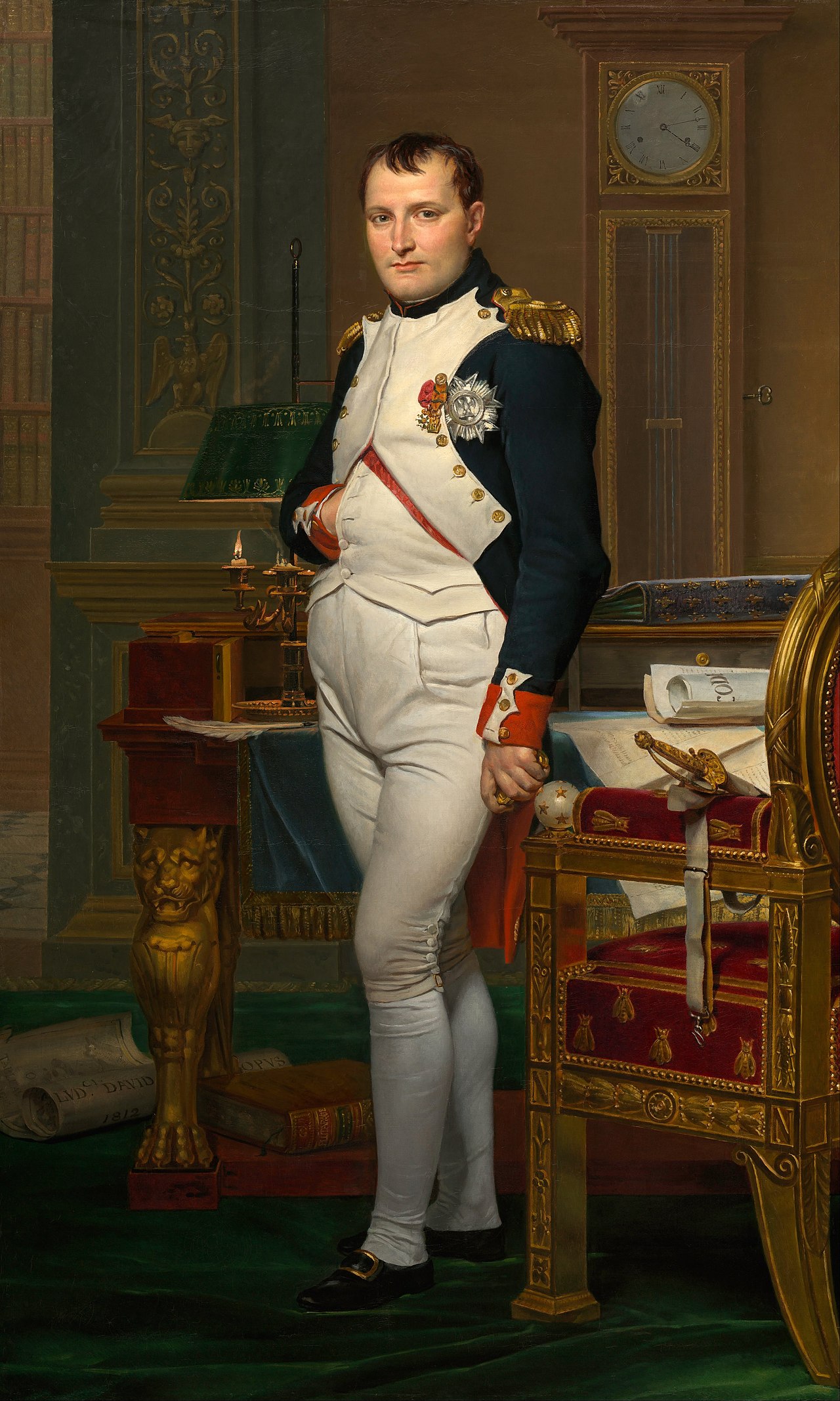
Napoleon Bonaparte, born on August 15, 1769, in Ajaccio, Corsica, rose to prominence during the French Revolution, seizing power in a coup d'état in 1799. He centralized authority, reformed the French calendar and law code, and expanded the empire through a series of military conquests, including the victories at Austerlitz in 1805 and Jena in 1806. However, his disastrous invasion of Russia in 1812 and the subsequent defeat at Leipzig in 1813 marked the beginning of his downfall. Exiled to Elba in 1814, he escaped and regained power for a brief period, known as the Hundred Days, before being defeated at Waterloo on June 18, 1815. Napoleon's legacy is contested, with some viewing him as a brilliant military strategist and others as a power-hungry dictator. His impact on European history is undeniable, with a Vibe score of 85, reflecting his significant cultural energy and lasting influence. The controversy surrounding his rule is evident in the Perspective breakdown, with 40% optimistic, 30% neutral, 20% pessimistic, and 10% contrarian views. The Influence flows of his ideas can be seen in the works of historians such as Albert Mathiez and Georges Lefebvre, who have shaped the modern understanding of the French Revolution and Napoleon's role in it.
🏛️ Introduction to Napoleon Bonaparte
Napoleon Bonaparte, later known by his regnal name Napoleon I, was a complex and multifaceted figure who rose to prominence during the French Revolution. Born on August 15, 1769, in Ajaccio, Corsica, Napoleon would go on to become one of the most influential leaders in European history. His military campaigns and conquests are still studied by historians and strategists today, and his legacy continues to be felt in modern politics and society. As a statesman, Napoleon implemented numerous legal and administrative reforms in France and Europe, including the Napoleonic Code. The impact of these reforms can still be seen in the European Union and its member states.
💪 The Rise of a Military Genius
Napoleon's rise to power was swift and decisive, driven by his military genius and strategic thinking. He quickly rose through the ranks of the French army, becoming a general at the age of 24 and leading a series of successful campaigns in Italy and Egypt. His victories in these campaigns earned him widespread recognition and admiration, and he soon became a key figure in French politics. Napoleon's relationship with Paul Barras, a leading figure in the French Directory, was instrumental in his rise to power. The French Directory was the governing body of France from 1795 to 1799, and Napoleon's influence within it helped to shape the course of French history.
🔥 The French Revolution and Napoleon's Ascension
The French Revolution was a pivotal moment in Napoleon's career, and he played a key role in its outcome. The Revolution, which began in 1789, was a complex and multifaceted event that aimed to overthrow the monarchy and establish a new system of government. Napoleon's military victories and strategic thinking helped to shape the course of the Revolution, and he soon became a leading figure in French politics. The Reign of Terror, which lasted from 1793 to 1794, was a period of violence and repression that followed the Revolution, and Napoleon's role in it is still debated by historians today. The Committee of Public Safety was the governing body of France during this period, and Napoleon's relationship with its leaders was crucial in his rise to power.
👑 Napoleon's Reign as Emperor of the French
Napoleon's reign as Emperor of the French, which lasted from 1804 to 1814, was marked by significant military conquests and administrative reforms. He implemented a range of policies aimed at modernizing France and Europe, including the Napoleonic Code and the creation of a new system of education. Napoleon's military campaigns, which included the War of the Third Coalition and the War of the Fourth Coalition, expanded the French Empire and established Napoleon as a major military power. The Battle of Austerlitz, which took place in 1805, was one of Napoleon's most significant victories, and it cemented his reputation as a military genius. The Treaty of Tilsit, which was signed in 1807, marked the beginning of a period of French dominance in Europe, and it had significant implications for the European Union and its member states.
📚 Legal and Administrative Reforms
Napoleon's legal and administrative reforms had a lasting impact on France and Europe. The Napoleonic Code, which was introduced in 1804, was a comprehensive set of laws that covered everything from property rights to criminal justice. The Code was designed to promote equality and fairness, and it remains an important part of French law to this day. Napoleon also introduced a range of administrative reforms, including the creation of a new system of government and the establishment of a centralized bureaucracy. The Prefect system, which was introduced in 1800, was a key part of Napoleon's administrative reforms, and it helped to promote efficiency and effectiveness in government. The Concordat of 1801 was a significant agreement between Napoleon and the Catholic Church, and it had important implications for the relationship between church and state in France.
🌍 Military Campaigns and Conquests
Napoleon's military campaigns and conquests are still studied by historians and strategists today. His victories in Italy and Egypt were significant, and they helped to establish him as a major military power. The Battle of the Pyramids, which took place in 1798, was one of Napoleon's most significant victories, and it marked the beginning of a period of French dominance in the region. The Peninsular War, which lasted from 1807 to 1814, was a significant conflict that pitted French forces against those of Spain and Portugal. The Battle of Waterloo, which took place in 1815, marked the final defeat of Napoleon and the end of his reign as Emperor of the French. The Congress of Vienna, which was held in 1815, was a significant gathering of European leaders that aimed to reorganize the continent and promote peace and stability.
💔 The Fall of Napoleon and Exile
Napoleon's fall from power was swift and decisive, driven by a combination of military defeats and political opposition. The Battle of Leipzig, which took place in 1813, was a significant defeat for Napoleon, and it marked the beginning of the end of his reign. The Treaty of Fontainebleau, which was signed in 1814, exiled Napoleon to the island of Elba, where he remained until his escape in 1815. The Hundred Days, which lasted from March to July 1815, was a brief period of time during which Napoleon regained power and attempted to reassert his dominance over Europe. The Battle of Waterloo, which took place on June 18, 1815, marked the final defeat of Napoleon and the end of his reign as Emperor of the French.
🏆 Legacy of Napoleon Bonaparte
Napoleon's legacy is complex and multifaceted, and it continues to be felt in modern politics and society. His military campaigns and conquests expanded the French Empire and established him as a major military power. His legal and administrative reforms had a lasting impact on France and Europe, and they continue to shape the course of European history. The European Union and its member states owe a significant debt to Napoleon, who helped to promote the idea of a unified Europe. The Napoleonic Code remains an important part of French law, and it continues to influence legal systems around the world. The United Nations and other international organizations also owe a debt to Napoleon, who helped to promote the idea of international cooperation and diplomacy.
🤝 Influence on European History
Napoleon's influence on European history is still felt today, and it continues to shape the course of modern politics and society. His military campaigns and conquests expanded the French Empire and established him as a major military power. His legal and administrative reforms had a lasting impact on France and Europe, and they continue to promote equality and fairness. The European Union and its member states owe a significant debt to Napoleon, who helped to promote the idea of a unified Europe. The Napoleonic Code remains an important part of French law, and it continues to influence legal systems around the world. The Congress of Vienna, which was held in 1815, was a significant gathering of European leaders that aimed to reorganize the continent and promote peace and stability.
📊 Controversy and Debate Surrounding Napoleon
The controversy and debate surrounding Napoleon are significant, and they continue to shape the course of modern politics and society. Some historians view Napoleon as a great leader who expanded the French Empire and promoted equality and fairness. Others view him as a power-hungry dictator who was responsible for the deaths of millions of people. The French Revolution and the Reign of Terror were significant events that shaped the course of Napoleon's career, and they continue to be debated by historians today. The Committee of Public Safety and the National Convention were key institutions during this period, and they played a significant role in shaping the course of French history.
👊 Conclusion: The Enduring Impact of Napoleon Bonaparte
In conclusion, Napoleon Bonaparte was a complex and multifaceted figure who rose to prominence during the French Revolution. His military campaigns and conquests expanded the French Empire and established him as a major military power. His legal and administrative reforms had a lasting impact on France and Europe, and they continue to shape the course of European history. The European Union and its member states owe a significant debt to Napoleon, who helped to promote the idea of a unified Europe. As we look to the future, it is clear that Napoleon's legacy will continue to be felt for generations to come. The United Nations and other international organizations will continue to play a significant role in promoting peace and stability, and the Napoleonic Code will remain an important part of French law.
Key Facts
- Year
- 1769
- Origin
- Ajaccio, Corsica
- Category
- History
- Type
- Historical Figure
Frequently Asked Questions
Who was Napoleon Bonaparte?
Napoleon Bonaparte was a French military leader and statesman who rose to prominence during the French Revolution. He became Emperor of the French in 1804 and ruled until his abdication in 1814. Napoleon is widely regarded as one of the greatest military minds in history, and his legacy continues to be felt in modern politics and society. He implemented numerous legal and administrative reforms in France and Europe, including the Napoleonic Code. The impact of these reforms can still be seen in the European Union and its member states.
What were Napoleon's major military campaigns?
Napoleon's major military campaigns included the Italian Campaign, the Egyptian Campaign, the War of the Third Coalition, and the War of the Fourth Coalition. He also fought in the Peninsular War and the War of the Sixth Coalition. Napoleon's military victories and conquests expanded the French Empire and established him as a major military power. The Battle of Austerlitz, which took place in 1805, was one of Napoleon's most significant victories, and it cemented his reputation as a military genius.
What were Napoleon's major reforms?
Napoleon's major reforms included the introduction of the Napoleonic Code, which was a comprehensive set of laws that covered everything from property rights to criminal justice. He also introduced a range of administrative reforms, including the creation of a new system of government and the establishment of a centralized bureaucracy. The Prefect system, which was introduced in 1800, was a key part of Napoleon's administrative reforms, and it helped to promote efficiency and effectiveness in government. The Concordat of 1801 was a significant agreement between Napoleon and the Catholic Church, and it had important implications for the relationship between church and state in France.
What was the significance of the Battle of Waterloo?
The Battle of Waterloo, which took place on June 18, 1815, was a decisive defeat for Napoleon and marked the end of his reign as Emperor of the French. The battle was fought between French forces and a coalition of British and Prussian forces, and it resulted in the defeat of the French army and the capture of Napoleon. The Battle of Waterloo marked the end of Napoleon's military career and the beginning of a period of exile and imprisonment. The Congress of Vienna, which was held in 1815, was a significant gathering of European leaders that aimed to reorganize the continent and promote peace and stability.
What is Napoleon's legacy?
Napoleon's legacy is complex and multifaceted, and it continues to be felt in modern politics and society. He is widely regarded as one of the greatest military minds in history, and his military campaigns and conquests expanded the French Empire and established him as a major military power. His legal and administrative reforms had a lasting impact on France and Europe, and they continue to shape the course of European history. The European Union and its member states owe a significant debt to Napoleon, who helped to promote the idea of a unified Europe. The Napoleonic Code remains an important part of French law, and it continues to influence legal systems around the world.