
Contents
Overview
The concept of mycelium as a distinct biological entity has roots stretching back to early botanical observations, though its true nature was only elucidated over centuries. While ancient cultures recognized mushrooms as fruiting bodies, the underlying network remained largely mysterious. Early scientific descriptions by figures like Michel Adanson in the 18th century began to categorize fungi, but it was August Wilhelm von Kainitz in 1837 who first proposed the term 'mycelium' to describe the vegetative fungal body. The subsequent work of Anton de Bary in the late 19th century solidified the understanding of mycelium as the primary growth form of fungi, distinct from their reproductive structures. This foundational work by pioneers like Erwin Charles Smith laid the groundwork for understanding its ecological roles, from decomposition to pathogenesis.
⚙️ How It Works
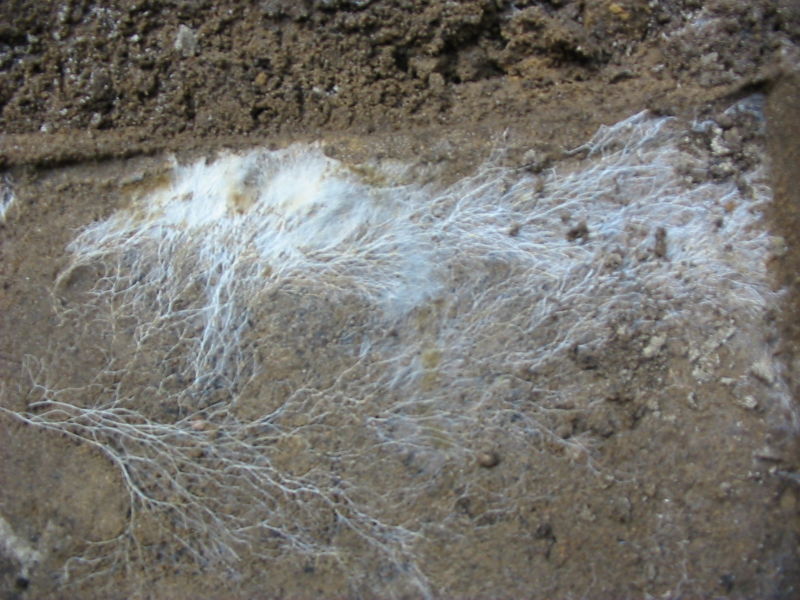
Mycelium functions as a sophisticated biological engine for nutrient acquisition and transport. Composed of hyphae – microscopic, branching filaments – it secretes powerful extracellular enzymes that break down complex organic matter in its environment into simpler molecules. These molecules are then absorbed directly through the hyphal walls via osmosis and active transport, feeding the fungal organism. This process is crucial for decomposition, recycling nutrients back into ecosystems. Furthermore, mycelial networks can form symbiotic relationships, most notably mycorrhizae with plant roots, facilitating nutrient exchange and acting as extensions of the plant's root system, a process vital for forest health and plant survival, as detailed by researchers like Suzanne Simard.
📊 Key Facts & Numbers
The scale and ubiquity of mycelium are staggering. A single cubic inch of fertile forest soil can contain over 8 miles of hyphae. The largest known organism on Earth is a mycelial network of the fungus Armillaria ostoyae in Oregon's Malheur National Forest, covering approximately 2,385 acres and estimated to be between 2,400 and 8,650 years old. Fungi, and thus their mycelium, are responsible for decomposing an estimated 90% of all dead organic matter on land. Globally, fungal biomass is estimated to be between 10 million and 1.1 million tons, a significant portion of which is mycelial. The surface area of mycelium can be immense, with some estimates suggesting it could cover the entire Earth's land surface multiple times over.
👥 Key People & Organizations
Key figures in mycology have shaped our understanding of mycelium. Elias Magnus Fries, a Swedish mycologist, was instrumental in early fungal classification. Paul Stamets, a contemporary mycologist and author, has been a leading advocate for the practical applications of mycelium, particularly in bioremediation and sustainable materials. Organizations like the Mycological Society of America and the International Mycological Association foster research and disseminate knowledge. Companies such as Ecovative Design and MycoWorks are at the forefront of developing commercial applications for mycelium-based products, translating scientific understanding into tangible innovations.
🌍 Cultural Impact & Influence
Mycelium's influence extends far beyond the scientific realm, permeating culture and inspiring new ways of thinking about nature and technology. Its intricate, interconnected nature has been likened to the internet, leading to concepts like the 'Wood Wide Web,' popularized by researchers like Peter Wohlleben and Suzanne Simard, which describes how trees communicate via fungal networks. This has sparked a wave of interest in biomimicry and decentralized systems. Mycelium has also found its way into art, design, and literature, symbolizing resilience, interconnectedness, and the hidden forces of nature. The burgeoning field of mycoremediation, championed by figures like Tradd Cotter, further highlights its growing cultural relevance as a solution-oriented natural technology.
⚡ Current State & Latest Developments
The current landscape of mycelium research and application is dynamic. Significant advancements are being made in developing mycelium-based alternatives to plastics, leather, and building materials. Research into mycelium's role in soil health and carbon sequestration is gaining momentum, driven by concerns about climate change and sustainable agriculture. Furthermore, the exploration of mycelium for bioremediation – breaking down pollutants like oil spills and plastics – continues to yield promising results, with ongoing field trials and laboratory studies. The development of new fungal strains with enhanced properties for specific applications is also a key area of focus for researchers at institutions like UC Berkeley and MIT.
🤔 Controversies & Debates
Despite its immense potential, the widespread adoption of mycelium-based technologies faces several debates. One significant controversy revolves around the scalability and cost-effectiveness of producing mycelium materials compared to traditional alternatives. Critics question the long-term durability and performance of some mycelium products, particularly in demanding applications. There are also debates surrounding the genetic modification of fungi for industrial purposes, raising ethical concerns about unintended ecological consequences. Furthermore, the classification and standardization of mycelium-based products are still evolving, leading to potential confusion in the market and regulatory hurdles, as discussed in forums hosted by organizations like the Biofabrication Conference.
🔮 Future Outlook & Predictions
The future outlook for mycelium is exceptionally bright, with projections pointing towards its integration into numerous sectors. Innovations in myco-engineering are expected to yield materials with tailored properties for specific uses, from high-performance insulation to biodegradable packaging. The role of mycelium in ecological restoration, particularly in degraded soils and polluted environments, is also anticipated to expand significantly, with potential applications in carbon sequestration and wastewater treatment. The development of 'smart' mycelial materials capable of sensing and responding to environmental changes is another exciting frontier.
💡 Practical Applications
Mycelium's practical applications are rapidly expanding across diverse industries. In materials science, it's used to create sustainable alternatives to Styrofoam, leather (e.g., Mylo™), and packaging. In agriculture, it enhances soil health, improves crop yields, and acts as a natural pesticide and fertilizer. The field of bioremediation utilizes mycelium to break down pollutants, including petroleum products, pesticides, and even plastics, a process often referred to as mycoremediation. Ecovative Design offers mycelium-based materials for packaging and construction, while companies like Fungi Perfecti provide kits for home cultivation and educational purposes. Mycelium is also being explored for its potential in pharmaceuticals, with some species producing compounds with medicinal properties.
Key Facts
- Category
- nature
- Type
- topic