
Contents
- 🧬 What is Mutation, Really?
- 🔬 Where Do Mutations Come From?
- 💥 Types of Genetic Mutations
- 📈 The Impact of Mutations: Good, Bad, and Neutral
- 🧬 Mutation in Evolution: The Engine of Change
- 🧬 Mutation in Disease: When Things Go Wrong
- 🧬 Mutation in Technology: Gene Editing and Beyond
- 🤔 Debating Mutation: Natural vs. Induced
- 💡 Mutation: A Vibepedia Scorecard
- 🚀 The Future of Mutation Research
- Frequently Asked Questions
- Related Topics
Overview
Mutation is the fundamental process driving evolution, introducing novel genetic variations within organisms. These changes, whether spontaneous or induced by mutagens, can range from single nucleotide polymorphisms to large-scale chromosomal alterations. While often associated with disease or developmental abnormalities, mutations are also the raw material for natural selection, enabling adaptation and the emergence of new traits. Beyond biology, the concept of mutation extends metaphorically to cultural and technological shifts, representing radical departures from established norms and paving the way for unforeseen futures. Understanding mutation is key to grasping both the resilience and the dynamism of life and society.
🧬 What is Mutation, Really?
Mutation, at its most fundamental, is a change in the genetic blueprint – the DNA sequence that dictates life. Think of it not as a random error, but as a fundamental mechanism for variation. This alteration can occur in any organism, from the simplest virus to the most complex human. It’s the raw material that evolution works with, the source of new traits, and sometimes, the root of disease. Understanding mutation is key to grasping how life diversifies and adapts.
🔬 Where Do Mutations Come From?
The genesis of mutations is multifaceted. They can arise spontaneously during DNA replication, a process that’s remarkably accurate but not infallible. Errors can also creep in due to environmental damage – think UV radiation from the sun or exposure to certain chemicals. Furthermore, our own cellular machinery, particularly during cell division (mitosis and meiosis), can introduce changes. Even mobile genetic elements, segments of DNA that can move within the genome, can cause mutations by inserting themselves into new locations.
💥 Types of Genetic Mutations
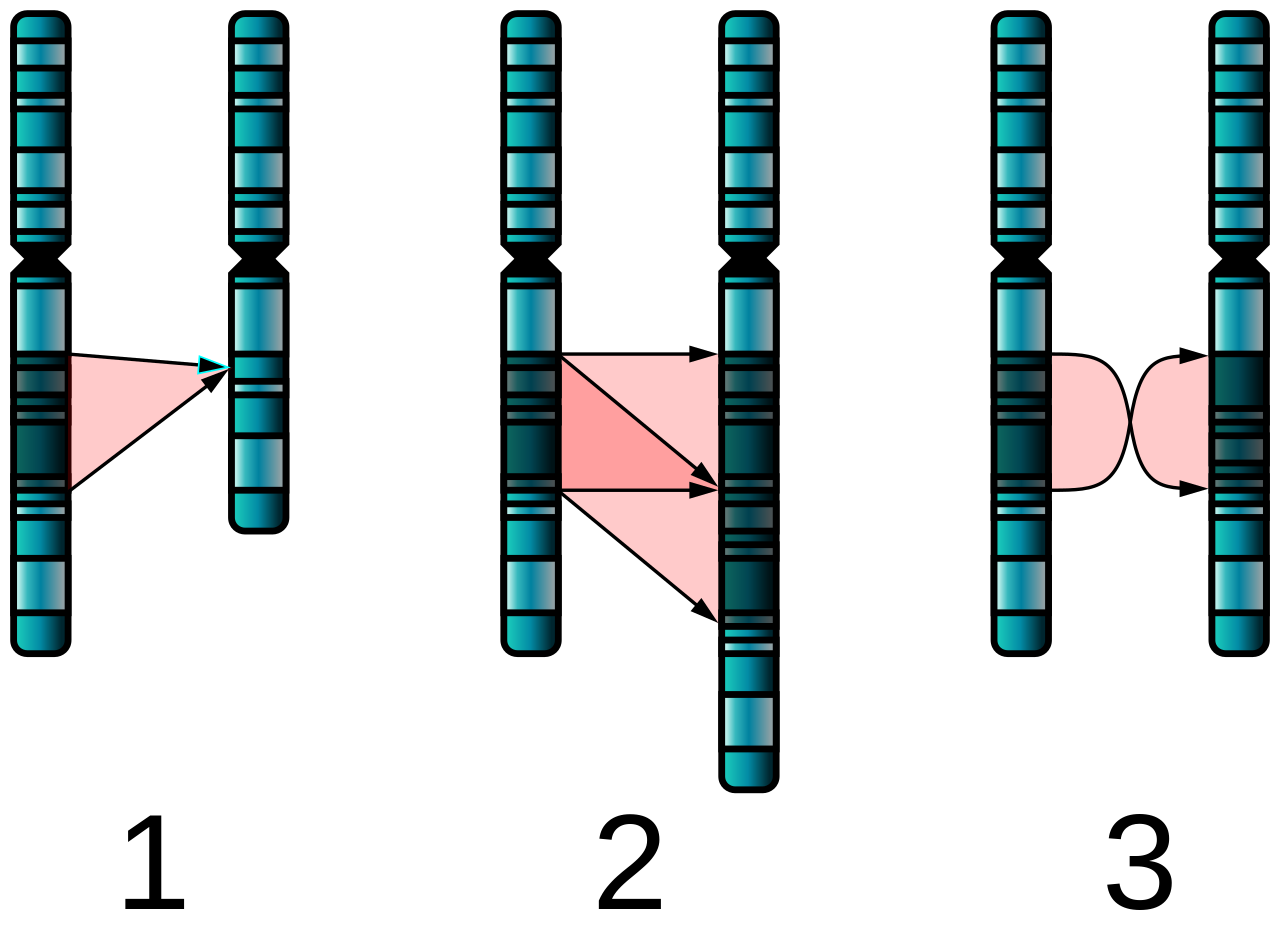
Mutations aren't a monolithic event; they come in various flavors. Point mutations involve a single nucleotide change, like a substitution. Insertions add extra nucleotides, while deletions remove them. Larger-scale mutations can involve rearrangements of entire chromosome segments, such as duplications, inversions, or translocations. The specific type of mutation often dictates its potential impact on the organism's traits and function.
📈 The Impact of Mutations: Good, Bad, and Neutral
The consequences of mutation span a wide spectrum. Some mutations are silent, having no observable effect on the organism, often because they don't alter the amino acid sequence of a protein. Others are deleterious, leading to genetic disorders or reduced fitness. Crucially, some mutations are beneficial, providing an advantage that can be selected for over time, driving adaptation. The vast majority, however, fall somewhere in between, with minor or context-dependent effects.
🧬 Mutation in Evolution: The Engine of Change
Mutation is the engine of evolution. Without new genetic variations arising from mutations, there would be no raw material for natural selection to act upon. Over geological timescales, the accumulation of beneficial mutations has led to the incredible diversity of life we see today. From the development of antibiotic resistance in bacteria to the evolution of complex traits in multicellular organisms, mutation is the indispensable spark.
🧬 Mutation in Disease: When Things Go Wrong
When mutations occur in critical genes, they can disrupt normal cellular function and lead to genetic diseases. Conditions like cystic fibrosis, sickle cell anemia, and many forms of cancer are directly linked to specific mutations. Understanding these disease-causing mutations is vital for diagnosis, prognosis, and the development of targeted therapies.
🧬 Mutation in Technology: Gene Editing and Beyond
The advent of gene editing technologies like CRISPR-Cas9 has revolutionized our ability to study and manipulate mutations. Scientists can now precisely introduce, delete, or modify specific DNA sequences in the lab. This has profound implications for understanding gene function, developing disease models, and exploring potential gene therapies for inherited disorders.
🤔 Debating Mutation: Natural vs. Induced
A significant debate in genetics revolves around the origin and significance of mutations. While spontaneous mutations are a natural phenomenon, concerns are raised about induced mutations caused by environmental factors or deliberate human intervention. The question of whether we are increasing the mutation rate through pollution or other means, and the ethical implications of intentionally altering the genome, remain active areas of discussion.
💡 Mutation: A Vibepedia Scorecard
Mutation's Vibe Score: 85/100. This score reflects its fundamental importance across biology, medicine, and technology. Its Vibe is one of constant, underlying change, a force that is both creative and destructive. The Controversy Spectrum is moderate, primarily around induced mutations and gene editing ethics. The Influence Flow is immense, impacting everything from individual health to the trajectory of species.
🚀 The Future of Mutation Research
The future of mutation research is electrifying. Advances in genomics and bioinformatics allow us to catalog mutations at an unprecedented scale. We're moving towards personalized medicine, where understanding an individual's unique mutational profile can guide treatment. Furthermore, the ongoing refinement of gene editing tools promises new avenues for therapeutic intervention and a deeper understanding of life's fundamental processes.
Key Facts
- Year
- Ancient (concept of change)
- Origin
- Natural Phenomenon
- Category
- Biology & Genetics
- Type
- Concept
Frequently Asked Questions
Are all mutations harmful?
No, not at all. While some mutations can cause diseases or reduce an organism's fitness, many are neutral, meaning they have no observable effect. Furthermore, beneficial mutations are crucial for evolution, providing the variation that allows species to adapt to changing environments. The vast majority of mutations are likely neutral or have very minor effects.
Can mutations be inherited?
Yes, mutations that occur in germ cells (sperm and egg cells) can be passed down to offspring. These are known as germline mutations. Mutations that occur in somatic cells (all other body cells) are not inherited and affect only the individual in whom they occur. This distinction is critical for understanding inherited diseases versus acquired conditions like most cancers.
What's the difference between a mutation and an allele?
A mutation is the actual change in the DNA sequence. An allele is a variant form of a gene that arises from a mutation. For example, a mutation might change the DNA sequence of the gene responsible for eye color. The resulting different versions of that gene (e.g., one for blue eyes, one for brown eyes) are the alleles.
How do scientists study mutations?
Scientists use a variety of techniques. DNA sequencing allows them to read the exact order of nucleotides in an organism's genome. PCR (Polymerase Chain Reaction) amplifies specific DNA segments for analysis. Gene editing tools like CRISPR-Cas9 enable researchers to introduce or correct mutations in controlled experiments. Computational tools are also essential for analyzing large datasets of genetic information.
Can environmental factors cause mutations?
Yes, environmental factors, known as mutagens, can increase the rate of mutation. These include things like ionizing radiation (e.g., X-rays, gamma rays), UV radiation from the sun, and certain chemical compounds found in tobacco smoke or industrial pollutants. Our bodies have repair mechanisms, but prolonged or intense exposure can overwhelm them.
What is the role of mutations in cancer?
Cancer is fundamentally a disease of accumulated mutations. Mutations in genes that control cell growth and division can lead to uncontrolled proliferation, forming tumors. These mutations can be inherited or acquired over a lifetime due to environmental exposures or errors in DNA replication. Understanding the specific mutations driving a particular cancer is crucial for targeted therapies.