
Contents
Overview
The presence of Muslims in America predates the nation itself, with some historians tracing early arrivals to the colonial era, including enslaved Africans who brought their faith with them. Early communities, often established in industrial centers like Detroit and Chicago, faced challenges of assimilation and maintaining religious practice. Post-1965 immigration reforms opened doors for larger numbers from diverse Muslim-majority countries, including Pakistan, India, Iran, and various African nations, fundamentally reshaping the demographic and cultural landscape of American Islam.
⚙️ How It Works
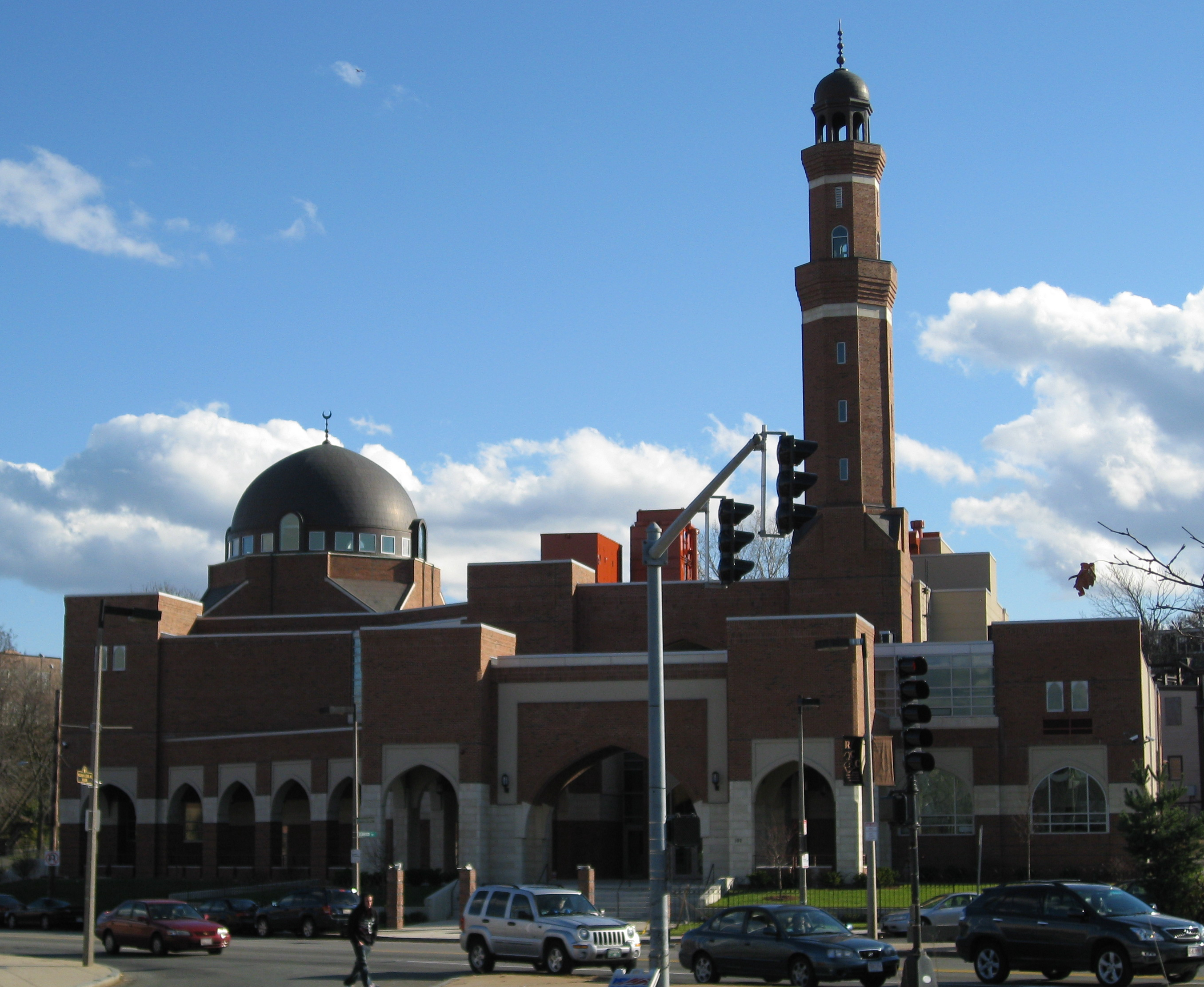
The practice of Islam among Muslim Americans is as varied as the community itself, reflecting diverse cultural traditions and theological interpretations. Core tenets include the Five Pillars of Islam: the declaration of faith (Shahada), prayer (Salat) five times daily, charity (Zakat), fasting during Ramadan (Sawm), and pilgrimage to Mecca (Hajj) for those able. Mosques and Islamic centers serve as focal points for worship, education, and community gathering, with architectural styles ranging from traditional domes and minarets to modern, understated buildings. Interfaith dialogue and civic engagement are also key components, with many Muslim American organizations actively participating in broader social justice initiatives and advocating for religious freedom. The integration of Islamic values into daily American life often involves navigating dietary laws (halal), dress codes (hijab for women), and educational systems, leading to the establishment of numerous Islamic schools and community programs.
📊 Key Facts & Numbers
Muslim Americans exhibit high levels of civic participation, with over 60% reporting voting in recent elections, a figure comparable to or exceeding that of the general U.S. population. The median household income for Muslim Americans is around $65,000, with significant variations across ethnic groups. Furthermore, approximately 70% of Muslim Americans hold a college degree, demonstrating a strong commitment to education.
👥 Key People & Organizations
Key figures in the Muslim American landscape span religious leaders, activists, politicians, and cultural figures. Imam Siraj Wahhaj, a prominent Brooklyn-based imam, has been influential in advocating for Muslim rights and community development. Zohran Mamdani, a Ugandan-born politician, made history as the first openly gay Muslim elected to the New York City Council in 2021. Organizations like the Council on American-Islamic Relations (CAIR), founded in 1994, play a crucial role in civil rights advocacy and public outreach. The Muslim Public Affairs Council (MPAC), established in 1988, focuses on policy and political engagement. Prominent academics such as Saba Mahmood have contributed significantly to understanding Islamic practices and identities in contemporary contexts, while artists like Ramy Youssef, creator of the Hulu series Ramy, have brought Muslim American experiences to mainstream media.
🌍 Cultural Impact & Influence
The cultural impact of Muslim Americans is multifaceted, influencing American arts, politics, and social discourse. The visibility of Muslim Americans in media has grown significantly, with figures like Ibtihaj Muhammad, an Olympic fencer and author, becoming prominent role models. The culinary scene has also been enriched by the diverse cuisines brought by immigrants from countries like Egypt, Iran, and Bangladesh, with halal food options becoming increasingly accessible. Muslim American literature, film, and music explore themes of identity, faith, and belonging, challenging stereotypes and offering nuanced portrayals. The community's engagement in social justice movements, from civil rights to environmental activism, demonstrates a deep commitment to American ideals and a desire to contribute positively to society.
⚡ Current State & Latest Developments
In recent years, Muslim American communities have focused on strengthening interfaith alliances and countering Islamophobia, particularly in the wake of heightened political rhetoric. The 2020 United States Census data continues to inform demographic understanding, while ongoing research by institutions like the Pew Research Center tracks evolving attitudes and practices. The rise of digital platforms has facilitated new forms of community building and religious learning, with numerous online Islamic resources and social media groups emerging. Political engagement remains a priority, with Muslim American voters and candidates increasingly active in local and national elections. The ongoing development of halal industries, from food to finance, also signifies economic growth and integration.
🤔 Controversies & Debates
Muslim Americans navigate a complex terrain of public perception and policy. Debates often center on issues of religious freedom, national security, and cultural assimilation. Concerns about Islamophobia, fueled by events and rhetoric, persist, leading to increased efforts in advocacy and education by organizations like CAIR. The question of how to balance religious observance with secular American life is a constant negotiation, particularly for younger generations. Debates also arise within the community regarding interpretations of Islamic law, gender roles, and political engagement, reflecting the diversity of thought and practice. The portrayal of Muslims in media remains a contentious issue, with ongoing efforts to promote more accurate and diverse representations.
🔮 Future Outlook & Predictions
The future of Muslim American identity is likely to be shaped by continued demographic growth and evolving social and political landscapes. Younger generations, often born and raised in the U.S., are increasingly defining their identities at the intersection of their faith and American culture, potentially leading to new forms of expression and community organization. The ongoing challenge of combating Islamophobia will remain a critical focus, necessitating sustained advocacy and public education. As the community's political influence grows, so too will its role in shaping national policy on issues ranging from immigration to civil liberties. Furthermore, the increasing digital connectivity may foster new pan-ethnic and transnational Muslim American networks, further diversifying the community's collective voice and impact.
💡 Practical Applications
Muslim Americans are actively involved in numerous practical applications that benefit society at large. This includes contributions to healthcare, with many Muslim doctors and nurses serving diverse patient populations. In the business sector, entrepreneurs have established thriving halal food industries, financial institutions adhering to Islamic principles (e.g., Amana Mutual Bank), and technology startups. The community's commitment to education has led to the founding and support of numerous Islamic schools and universities, contributing to the broader educational infrastructure. Furthermore, Muslim American non-profits and charitable organizations, such as Islamic Relief Worldwide, engage in extensive humanitarian work both domestically and internationally, addressing poverty, disaster relief, and development needs.
Key Facts
- Category
- culture
- Type
- topic