Punk | Vibepedia
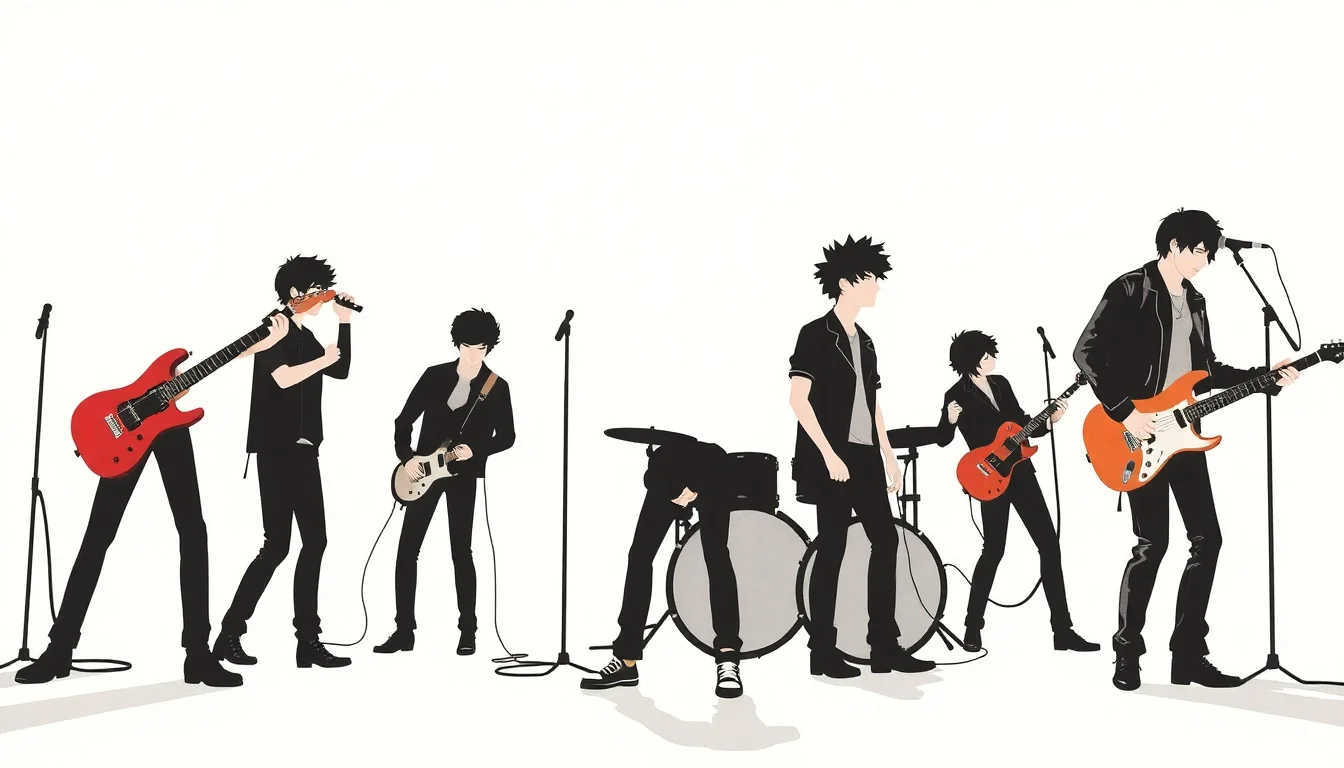
Punk is more than just a genre; it's a seismic cultural tremor that erupted in the mid-1970s, fundamentally challenging the bloated rock epics and polished pop
Overview
Punk is more than just a genre; it's a seismic cultural tremor that erupted in the mid-1970s, fundamentally challenging the bloated rock epics and polished pop of the era. Born from a potent cocktail of working-class frustration, artistic alienation, and a DIY ethos, punk music is characterized by its stripped-down, aggressive sound, fast tempos, and often politically charged or nihilistic lyrics. It rejected virtuosity for visceral energy, favoring three-chord structures and raw, shouted vocals over complex arrangements. Beyond the music, punk fostered a distinct subculture with its own fashion, ideology, and community. It championed individuality, anti-authoritarianism, and a "do it yourself" (DIY) spirit that empowered fans to create their own zines, bands, and art, regardless of formal training. This democratizing impulse was crucial, making creative expression accessible and fostering a sense of collective agency that resonated deeply with disaffected youth worldwide. While its initial explosion was concentrated in cities like New York and London, punk's influence proved remarkably enduring and adaptable. It splintered into numerous subgenres, from the melodic strains of [[pop-punk|pop-punk]] and the abrasive intensity of [[hardcore-punk|hardcore punk]] to the more experimental edges of [[post-punk|post-punk]]. Its core tenets – rebellion, authenticity, and a rejection of mainstream norms – continue to echo across music and culture, influencing countless artists and movements.