
Contents
Overview
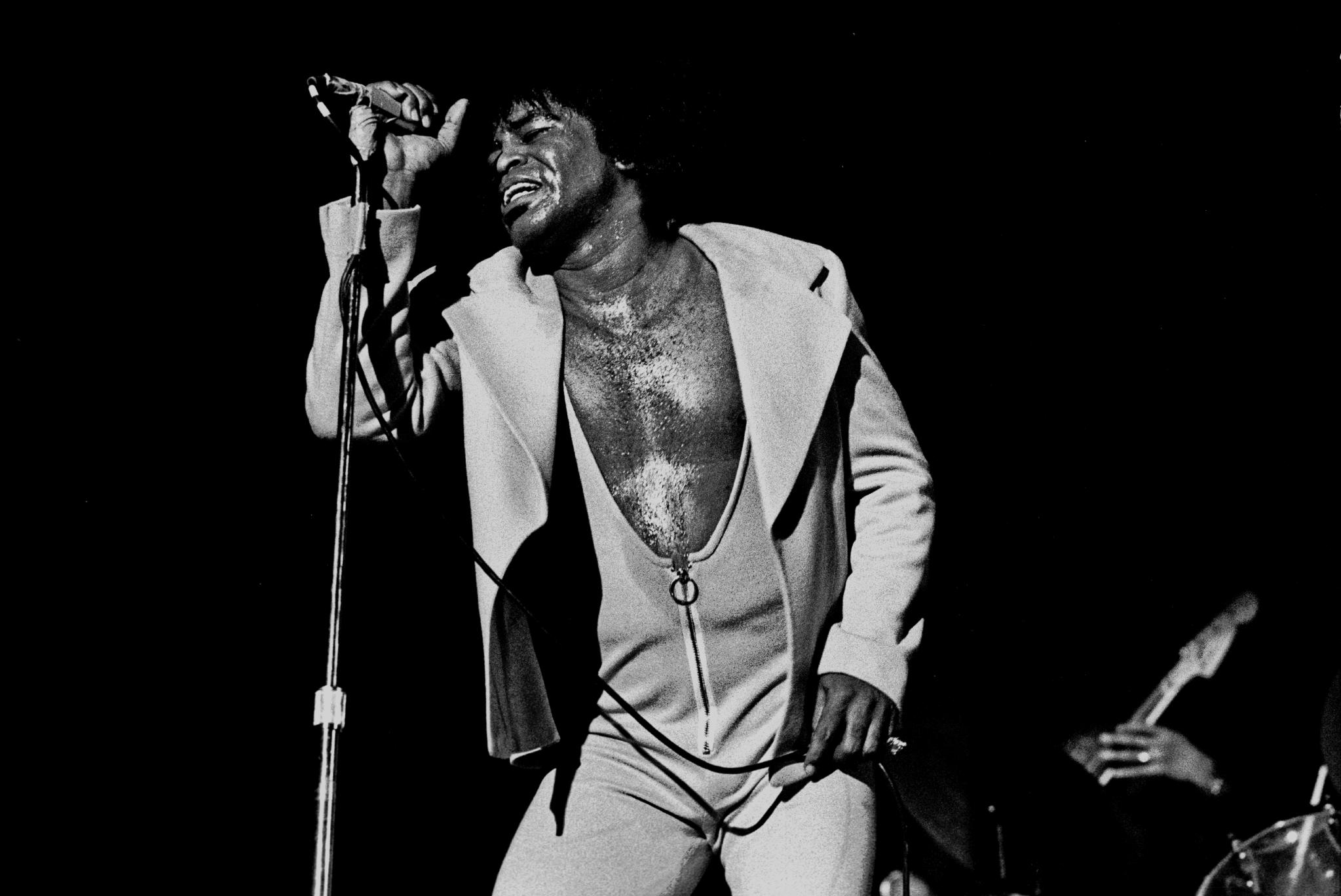
Funk is a genre of music characterized by a rhythmic groove of electric bass guitar, syncopated drum patterns, and a prominent downbeat. It emerged in the mid-1960s, primarily from soul and jazz, with James Brown often cited as the principal architect. His innovations, particularly in emphasizing the first beat of the measure (the 'one'), shifted the focus from melody and harmony to rhythm and percussive instrumental interplay. This rhythmic foundation, combined with shouted, chanted, or percussive vocals, created a sound that was both danceable and intellectually stimulating, demanding close listening to the intricate layers of instrumentation.
Beyond its sonic blueprint, funk represents a cultural shift, a vibrant expression of Black American identity and resilience. It gave rise to a constellation of influential artists and bands like Sly and the Family Stone, Parliament-Funkadelic, Earth, Wind & Fire, and Kool & the Gang, each adding their unique flavor, from Sly Stone's psychedelic leanings to George Clinton's P-Funk cosmic surrealism. The genre's impact is undeniable, bleeding into and profoundly shaping disco, hip-hop, rock, and electronic dance music, making it a foundational pillar of modern popular music.
The Architect: James Brown
The genesis of funk is inextricably linked to the evolution of R&B and soul. Musicians like James Brown, starting in the mid-1960s with seminal tracks like "Papa's Got a Brand New Bag" (1965) and "Cold Sweat" (1967), began de-emphasizing traditional song structures and chord progressions. Instead, he focused on interlocking rhythmic patterns played by the guitar, bass, and drums, creating a dense, percussive groove. His band, featuring legendary players like bassist Maceo Parker and drummer Clyde Stubblefield, was a laboratory for this new sound. This emphasis on the 'one' beat, coupled with horn stabs and syncopated basslines, defined the core of funk and set it apart from its predecessors.
Diversification and Fusion
As funk developed, it branched into various sub-styles and fused with other genres. Sly and the Family Stone brought a more psychedelic and pop-oriented sensibility, while Parliament-Funkadelic under George Clinton pushed the boundaries with elaborate stage shows, sci-fi/afrofuturist themes, and a heavier, more experimental sound often referred to as P-Funk. The genre's infectious groove proved incredibly adaptable, influencing the rise of disco in the 1970s, which retained funk's rhythmic drive but often smoothed out the edges for broader dancefloor appeal. Simultaneously, funk's percussive and sample-friendly nature made it a cornerstone of early hip-hop production.
Enduring Legacy
The legacy of funk is vast and continues to resonate. Its rhythmic innovations laid the groundwork for countless genres, and its spirit of experimentation and improvisation lives on. Artists across the musical spectrum, from Prince and Michael Jackson to modern acts like Kendrick Lamar and Silk Sonic, owe a significant debt to funk. The genre's emphasis on tight ensembles, virtuosic instrumentalists, and the sheer power of the groove remains a potent force in music, proving that sometimes, the most profound musical statements are made by focusing on the irresistible pull of the rhythm.
Key Facts
- Year
- 1960s
- Origin
- United States
- Category
- music
- Type
- genre
Frequently Asked Questions
What are the key instruments in funk music?
The core instrumentation typically includes electric bass, drums, rhythm guitar, and a horn section (saxophones, trumpets, trombones). Keyboards like the Hammond organ and Clavinet are also prevalent.
Who are the most important funk artists?
James Brown is considered the pioneer. Other essential artists include Sly and the Family Stone, Parliament-Funkadelic, Earth, Wind & Fire, Kool & the Gang, The Meters, and Chaka Khan.
How is funk different from soul or R&B?
While funk evolved from soul and R&B, it places a much stronger emphasis on rhythm and groove, often de-emphasizing melody and chord progressions. Funk's rhythmic structure is typically more complex and percussive.
What genres did funk influence?
Funk profoundly influenced disco, hip-hop, electronic dance music, new wave, and rock music. Its rhythmic vocabulary is a cornerstone of modern popular music.
What does 'playing on the one' mean in funk?
'Playing on the one' refers to emphasizing the first beat of the musical measure, a characteristic rhythmic technique pioneered by James Brown that gives funk its driving, insistent feel.