
Contents
Overview
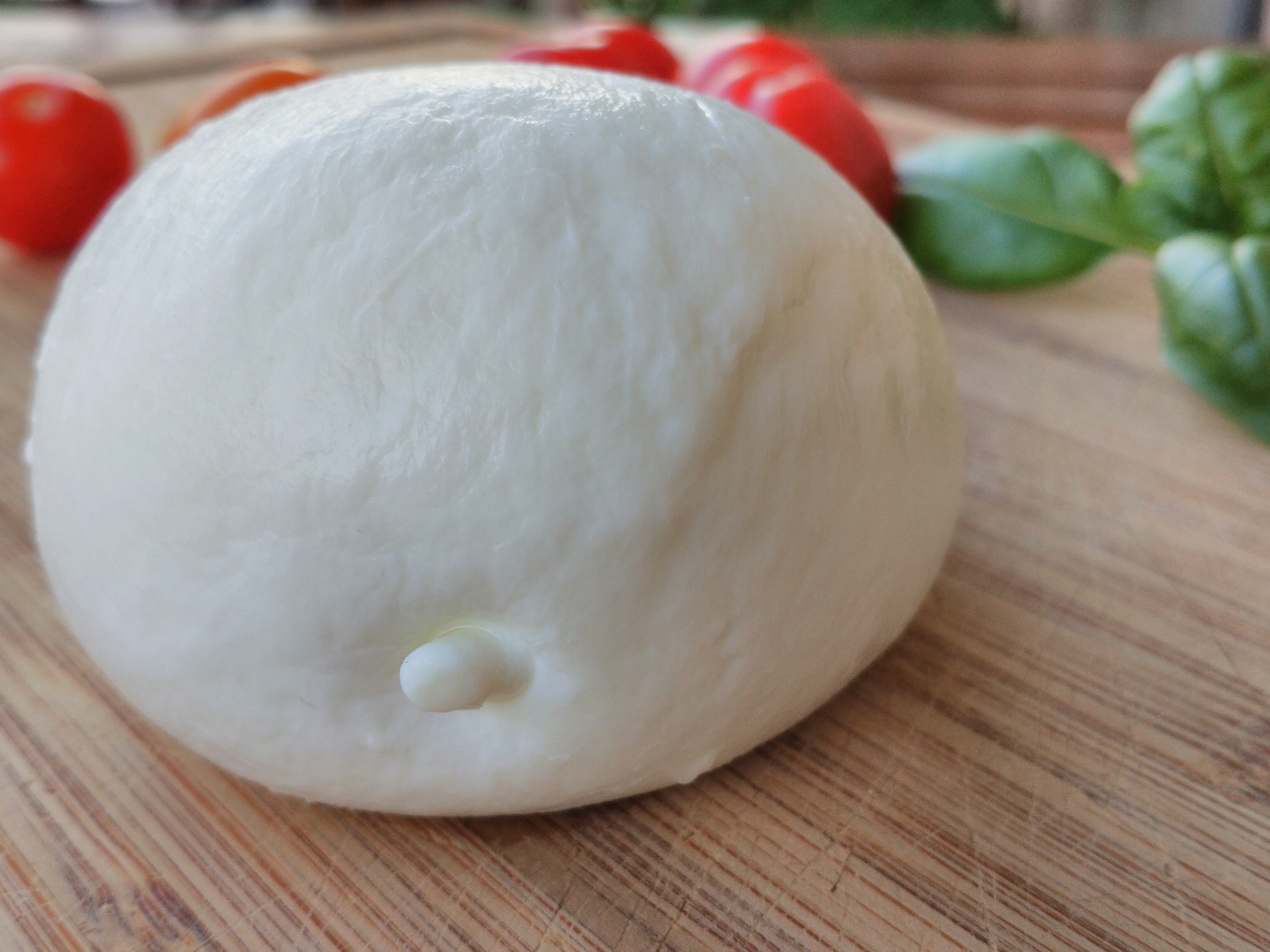
Mozzarella is a semi-soft, fresh cheese renowned for its unique 'pasta filata' or stretched-curd preparation method. This technique gives mozzarella its characteristic elastic texture and mild, milky flavor. It's broadly categorized into 'fior di latte' made from cow's milk and the more prized 'mozzarella di bufala' from the Italian water buffalo. Fresh mozzarella, typically white with a subtle yellow hue influenced by the animal's diet, famously 'squeaks' when chewed. While traditionally consumed within days of production, modern preservation techniques extend its shelf life, making this versatile cheese a global culinary staple, especially on pizzas and in Caprese salads.
🎵 Origins & History
The story of mozzarella begins in southern Italy, though its roots are even deeper, possibly tied to ancient Roman cheesemaking traditions. Early forms were likely made from the milk of sheep and goats before the introduction of the Italian water buffalo. The distinct 'pasta filata' method, where curds are heated and stretched, is what defines mozzarella. This technique was crucial for creating a cheese that could be stored and transported, moving beyond the immediate consumption of fresh cheeses. The Benedictine monks of San Lorenzo in Capua are often credited with early production, particularly of buffalo mozzarella, establishing a legacy that would define Italian dairy.
⚙️ How It Works
The magic of mozzarella lies in its 'pasta filata' (stretched curd) process. After the milk (cow or buffalo) is curdled with rennet, the resulting curd is heated in hot water or whey. This heat softens the curd, allowing cheesemakers to stretch and knead it until it becomes smooth, elastic, and pliable. This stretching aligns the protein strands, creating the characteristic stringy texture when melted. The cheese is then shaped into balls, braids (treccia), or logs, and often cooled in brine. The high moisture content of fresh mozzarella contributes to its delicate texture and short shelf life, while lower-moisture versions, often produced for industrial use, undergo further processing to reduce water content, extending their stability for months.
📊 Key Facts & Numbers
The United States is the largest consumer of mozzarella. Mozzarella di bufala Campana DOP (Denominazione di Origine Protetta) is a protected designation in Europe.
👥 Key People & Organizations
While no single individual is credited with 'inventing' mozzarella, its historical development is tied to the cheesemakers of southern Italy. Organizations like the Consorzio di Tutela del Formaggio Mozzarella di Bufala Campana DOP play a crucial role in protecting and promoting authentic buffalo mozzarella, ensuring adherence to traditional methods and quality standards. In the United States, companies like BelGioioso Cheese have been instrumental in popularizing and innovating mozzarella production, including the development of low-moisture varieties. The International Dairy Federation (IDF) also sets global standards and facilitates research within the dairy industry.
🌍 Cultural Impact & Influence
Mozzarella's cultural impact is immense, deeply intertwined with Italian cuisine and its global spread. It's the quintessential pizza cheese, its meltability and mild flavor making it the perfect canvas for toppings. The iconic Caprese salad, featuring fresh mozzarella, tomatoes, and basil, is a testament to its simple elegance. Beyond Italy, mozzarella has become a staple in kitchens worldwide, adapted into countless dishes from baked ziti to mozzarella sticks. Its versatility has also inspired culinary innovation, with chefs experimenting with different milk types and aging processes. The 'squeak' of fresh mozzarella has even become a sensory marker of quality and authenticity for enthusiasts.
⚡ Current State & Latest Developments
The mozzarella industry is currently experiencing a surge in demand for artisanal and high-quality products, particularly buffalo mozzarella. Innovations in production technology are focusing on improving shelf life and consistency for both fresh and low-moisture varieties. There's also a growing interest in plant-based mozzarella alternatives, driven by veganism and environmental concerns, with companies like new-culture-foods and moo-less developing innovative dairy-free options. The global supply chain for mozzarella is robust, though subject to fluctuations in milk prices and consumer trends, with a notable increase in exports from Italy to North America and Asia.
🤔 Controversies & Debates
A significant debate surrounds the authenticity and quality of mozzarella, especially concerning 'mozzarella di bufala'. The proliferation of imitations and products that don't meet strict DOP standards has led to ongoing efforts by regulatory bodies to protect the integrity of traditional mozzarella. Another point of contention is the environmental impact of dairy farming, particularly water buffalo, and the push for more sustainable production methods. The rise of plant-based alternatives also sparks debate about what constitutes 'true' mozzarella and its place in traditional cuisine. Furthermore, the economic viability for small-scale producers versus large industrial operations remains a persistent challenge.
🔮 Future Outlook & Predictions
The future of mozzarella likely involves a dual trajectory: continued reverence for traditional, artisanal production, especially for buffalo mozzarella, alongside significant advancements in plant-based alternatives. Expect further innovation in extending the shelf life of fresh mozzarella without compromising its delicate texture and flavor, potentially through advanced packaging or mild processing techniques. The demand for locally sourced and traceable ingredients will also likely drive more regional mozzarella production. As global palates evolve, so too will the applications of mozzarella, potentially seeing it incorporated into more diverse culinary traditions and fusion dishes.
💡 Practical Applications
Mozzarella's primary application is culinary, most famously as a topping for pizza. Its exceptional melting properties and mild, creamy flavor make it ideal for this purpose. It's also a star ingredient in the Caprese salad, paired with ripe tomatoes and fresh basil, drizzled with olive oil. Beyond these staples, it's used in baked dishes like lasagna and baked ziti, stuffed into pastries, fried as mozzarella sticks, and incorporated into antipasti platters. Fresh mozzarella balls, often marinated in herbs and oil, are a popular appetizer. Its versatility extends to sandwiches, pasta dishes, and even as a topping for grilled vegetables.
Key Facts
- Category
- culture
- Type
- product