
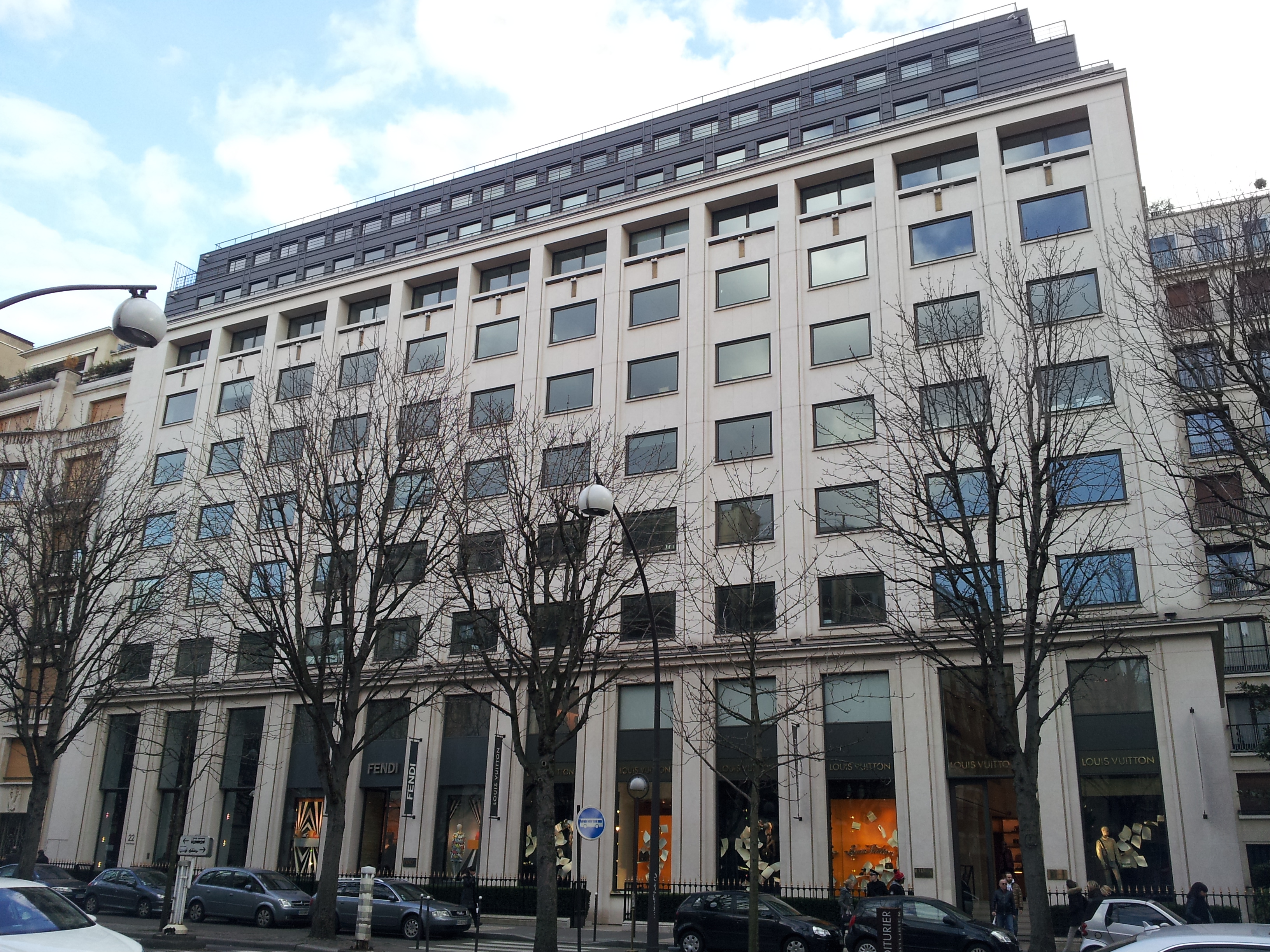
Contents
Overview
The genesis of Moët Hennessy is a tale of two dynasties, each a titan in its own right. Moët & Chandon, the champagne house, traces its origins to Claude Moët, who founded the company and introduced champagne to the aristocracy of Paris and beyond. His grandson, Victor Moët, later partnered with Pierre-Gabriel Chandon, solidifying the 'Moët & Chandon' name. Simultaneously, the Hennessy cognac house was established by Richard Hennessy, an Irish officer in the French army, who settled in Cognac and began distilling the region's famed brandy. The pivotal moment arrived through a merger that combined the prestige of champagne with the global reach of cognac, creating an entity poised for unparalleled dominance in the luxury beverage sector. The subsequent merger with Louis Vuitton to form LVMH Moët Hennessy Louis Vuitton SE cemented its status as the world's preeminent luxury group.
⚙️ How It Works
Moët Hennessy operates as a collection of highly specialized, yet interconnected, maisons, each maintaining its distinct identity and production methods while benefiting from the scale and resources of the larger LVMH group. For champagne, this involves meticulous vineyard management in the Champagne region of France, adhering to strict appellation rules that dictate grape varietals, cultivation techniques, and aging processes. The production of champagne involves secondary fermentation in the bottle, a complex process that creates the characteristic bubbles and requires significant time in the cellar, often years for prestige cuvées like Dom Pérignon. For cognac, the process begins with the distillation of white wine into a spirit, which is then aged for years, sometimes decades, in French oak barrels in the Cognac region of France. The blending of different eaux-de-vie by master blenders is crucial to achieving the signature taste profiles of brands like Hennessy. Distribution is managed through a sophisticated global network, ensuring these luxury products reach discerning consumers in over 150 countries.
📊 Key Facts & Numbers
Moët Hennessy's portfolio is a testament to its enduring market power. Dom Pérignon, a symbol of luxury champagne, commands prices often starting in the hundreds of dollars per bottle, with its limited releases generating significant demand. Veuve Clicquot also boasts robust sales, contributing significantly to the group's overall revenue. In 2023, the LVMH group, of which Moët Hennessy is a crucial Wines & Spirits division, reported revenues of €86.2 billion, with the Wines & Spirits sector alone generating €6.2 billion. This financial strength underscores Moët Hennessy's consistent ability to command premium pricing and maintain high sales volumes in a competitive global market.
👥 Key People & Organizations
The Moët Hennessy empire is built upon the legacy of its founding figures and the strategic leadership that has guided it through centuries of change. Claude Moët, the visionary founder of Moët & Chandon, established the brand's early reputation among European royalty and the burgeoning Parisian elite. Richard Hennessy, the Irish-born founder of Hennessy cognac, laid the foundation for what would become the world's leading cognac house. In the modern era, Bernard Arnault, the chairman and CEO of LVMH, has been instrumental in orchestrating the group's expansion and integration of Moët Hennessy into its luxury conglomerate. Key figures within Moët Hennessy itself include master blenders and cellar masters who are custodians of the houses' heritage and quality, such as Hennessy's long-standing blenders who ensure consistency across generations. The LVMH group's corporate structure, managed from its headquarters in Paris, France, oversees the strategic direction of its numerous prestigious brands.
🌍 Cultural Impact & Influence
Moët Hennessy's influence extends far beyond the beverage industry, deeply embedding itself into global culture as a potent symbol of celebration, achievement, and luxury. Popping a bottle of champagne from Moët & Chandon or Veuve Clicquot has become a near-universal ritual for marking significant life events, from weddings and anniversaries to sporting victories and New Year's Eve. Hennessy cognac holds a similar status, particularly within hip-hop culture, where it has been referenced in countless songs and is often associated with success and affluence. The brand's presence in films, music videos, and high-profile events reinforces its image as a marker of prestige. This cultural ubiquity has not only driven sales but has also shaped consumer perceptions of luxury, associating these drinks with moments of joy, success, and sophisticated indulgence. The visual identity of brands like Dom Pérignon and Moët & Chandon are instantly recognizable, contributing to their enduring appeal.
⚡ Current State & Latest Developments
In the contemporary market, Moët Hennessy continues to navigate evolving consumer preferences and global economic shifts. The company has been actively investing in sustainable viticulture and production methods across its estates, responding to growing environmental concerns. Moët Hennessy is focusing on expanding its presence in emerging markets, particularly in Asia, while reinforcing its dominance in established markets like the United States and Europe. Innovations include the introduction of new, limited-edition releases and collaborations designed to appeal to younger demographics and collectors. The company also faces increasing competition from craft distilleries and artisanal beverage producers, prompting a strategic balance between preserving heritage and embracing modern marketing approaches, including digital engagement and influencer partnerships. The ongoing integration within LVMH ensures continued investment in brand building and distribution infrastructure.
🤔 Controversies & Debates
The long history and premium positioning of Moët Hennessy have not been without their controversies. One recurring debate centers on the accessibility and perceived elitism of its products, with critics questioning whether such luxury goods are appropriate in times of economic hardship or social inequality. The environmental impact of large-scale viticulture and production, including water usage and carbon emissions, is another area of scrutiny, though the company has publicly committed to sustainability initiatives. Furthermore, the historical association of luxury spirits with conspicuous consumption has drawn criticism from those advocating for more modest lifestyles. The role of LVMH in consolidating so many luxury brands under one umbrella also sparks discussions about market monopolies and their potential impact on smaller producers and consumer choice. Debates also arise around the authenticity and marketing of 'heritage' brands, with questions sometimes posed about how much tradition is preserved versus how much is a carefully curated narrative for marketing purposes.
🔮 Future Outlook & Predictions
The future outlook for Moët Hennessy appears robust, driven by several key trends. The continued growth of the global middle class, particularly in Asia, presents a significant opportunity for increased demand for premium and super-premium beverages. Moët Hennessy is likely to further leverage its strong brand equity to introduce new products and expand into adjacent categories, potentially through strategic acquisitions or brand extensions within the LVMH portfolio. Innovations in packaging and direct-to-consumer sales channels are expected to become more prominent, catering to evolving purchasing habits. The company's commitment t
Key Facts
- Category
- culture
- Type
- topic