
Contents
Overview
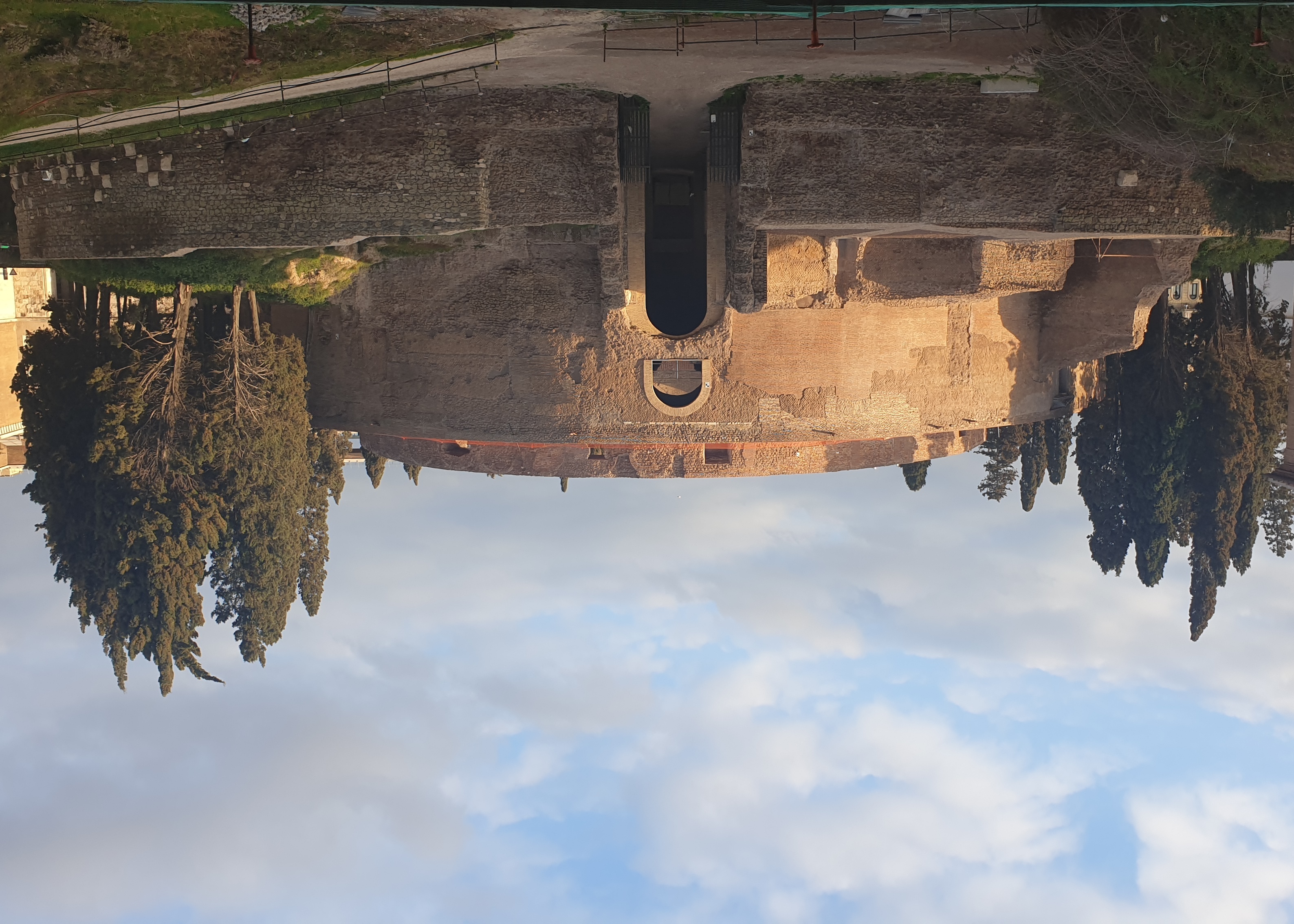
The Mausoleum of Augustus, constructed in 28 BC, was a grandiose project initiated by Augustus to serve as the final resting place for his family. This monumental tomb, situated on the Campus Martius in Rome, Italy, was designed to surpass the grandeur of Alexander the Great's tomb in Alexandria. The mausoleum's architecture was influenced by Ancient Egyptian and Ancient Greek styles, reflecting the cultural exchange and appropriation characteristic of the Roman Empire. The structure's location, near the Tiber River, was chosen for its proximity to the heart of Rome, ensuring the emperor's legacy would remain at the center of the city.
🔨 Restoration & Preservation
After centuries of neglect and damage, the Mausoleum of Augustus underwent a significant restoration project that lasted fourteen years, from 2007 to 2021. This extensive work, overseen by the Italian government and Rome Municipality, aimed to preserve the ancient structure and make it accessible to the public once more. The restoration process involved collaboration with various experts, including archaeologists from the Italian National Institute of Archaeology and engineers from University of Rome. The reopening of the mausoleum in March 2021 marked a significant milestone in Rome's cultural and historical preservation efforts, allowing visitors to appreciate the grandeur of Augustus' tomb and its historical significance.
🌍 Cultural Significance
The Mausoleum of Augustus holds immense cultural significance, not only as the resting place of Augustus and his family but also as a testament to the engineering and architectural prowess of the ancient Romans. The structure's design, which combines elements of Ancient Egyptian and Ancient Greek architecture, reflects the cultural diversity and exchange of the Roman Empire. As a popular tourist destination, the mausoleum attracts visitors from around the world, including historians, archaeologists, and enthusiasts of Ancient Rome. The site is often visited in conjunction with other nearby historical landmarks, such as the Museum of the Ara Pacis and the Pantheon.
🔮 Legacy & Tourism
The legacy of the Mausoleum of Augustus extends beyond its historical significance, as it continues to inspire architectural and engineering innovations. The structure's design has influenced numerous other monuments and buildings throughout history, including the Grant's Tomb in New York City, designed by John Hemenway Duncan. As a symbol of Augustus' power and legacy, the mausoleum remains an essential part of Rome's cultural heritage, attracting scholars and tourists alike. The site's reopening has also sparked renewed interest in the history of the Roman Empire, with many visitors drawn to the mausoleum's proximity to other significant landmarks, such as the Colosseum and the Roman Forum.
Key Facts
- Year
- 28 BC
- Origin
- Rome, Italy
- Category
- history
- Type
- place
Frequently Asked Questions
Who commissioned the construction of the Mausoleum of Augustus?
The Mausoleum of Augustus was commissioned by Augustus, the first emperor of Rome, in 28 BC. The structure was designed to serve as the final resting place for Augustus and his family, including his wife Livia Drusilla and his adopted sons Gaius Caesar and Lucius Caesar.
What is the cultural significance of the Mausoleum of Augustus?
The Mausoleum of Augustus holds immense cultural significance as a testament to the engineering and architectural prowess of the ancient Romans. The structure's design, which combines elements of Ancient Egyptian and Ancient Greek architecture, reflects the cultural diversity and exchange of the Roman Empire. As a popular tourist destination, the mausoleum attracts visitors from around the world, including historians, archaeologists, and enthusiasts of Ancient Rome.
How was the Mausoleum of Augustus restored?
The Mausoleum of Augustus underwent a significant restoration project that lasted fourteen years, from 2007 to 2021. This extensive work, overseen by the Italian government and Rome Municipality, aimed to preserve the ancient structure and make it accessible to the public once more. The restoration process involved collaboration with various experts, including archaeologists from the Italian National Institute of Archaeology and engineers from University of Rome.
What is the current state of the Mausoleum of Augustus?
The Mausoleum of Augustus was reopened to the public in March 2021 after undergoing significant restoration work. The site is now open to visitors, who can explore the ancient structure and learn about its history and cultural significance. The mausoleum is located on the Piazza Augusto Imperatore, near the corner with Via di Ripetta as it runs along the Tiber River.
How does the Mausoleum of Augustus compare to other ancient Roman landmarks?
The Mausoleum of Augustus is one of the most well-preserved ancient Roman landmarks, and its design has influenced numerous other monuments and buildings throughout history. The structure's grandeur and historical significance make it a must-visit destination for anyone interested in Ancient Rome and its legacy. The mausoleum is often visited in conjunction with other nearby historical landmarks, such as the Museum of the Ara Pacis and the Pantheon.