
Contents
- 🗺️ The World According to Ricci
- ✨ Venerable Status: A Spiritual Seal of Approval
- 📚 Bridging Worlds: Ricci's Intellectual Legacy
- 🗣️ Language as a Bridge: Mastering Mandarin
- 🧭 Navigating Imperial Courts: Diplomacy and Deference
- 🔭 Science as a Salve: Astronomy and Cartography
- ✝️ Faith in the Forbidden City: Jesuit Missions in China
- 🤔 The Ricci Controversy: East Meets West
- 💡 Key Takeaways for the Curious Mind
- 🚀 Where Does Ricci's Influence Lead?
- Frequently Asked Questions
- Related Topics
Overview
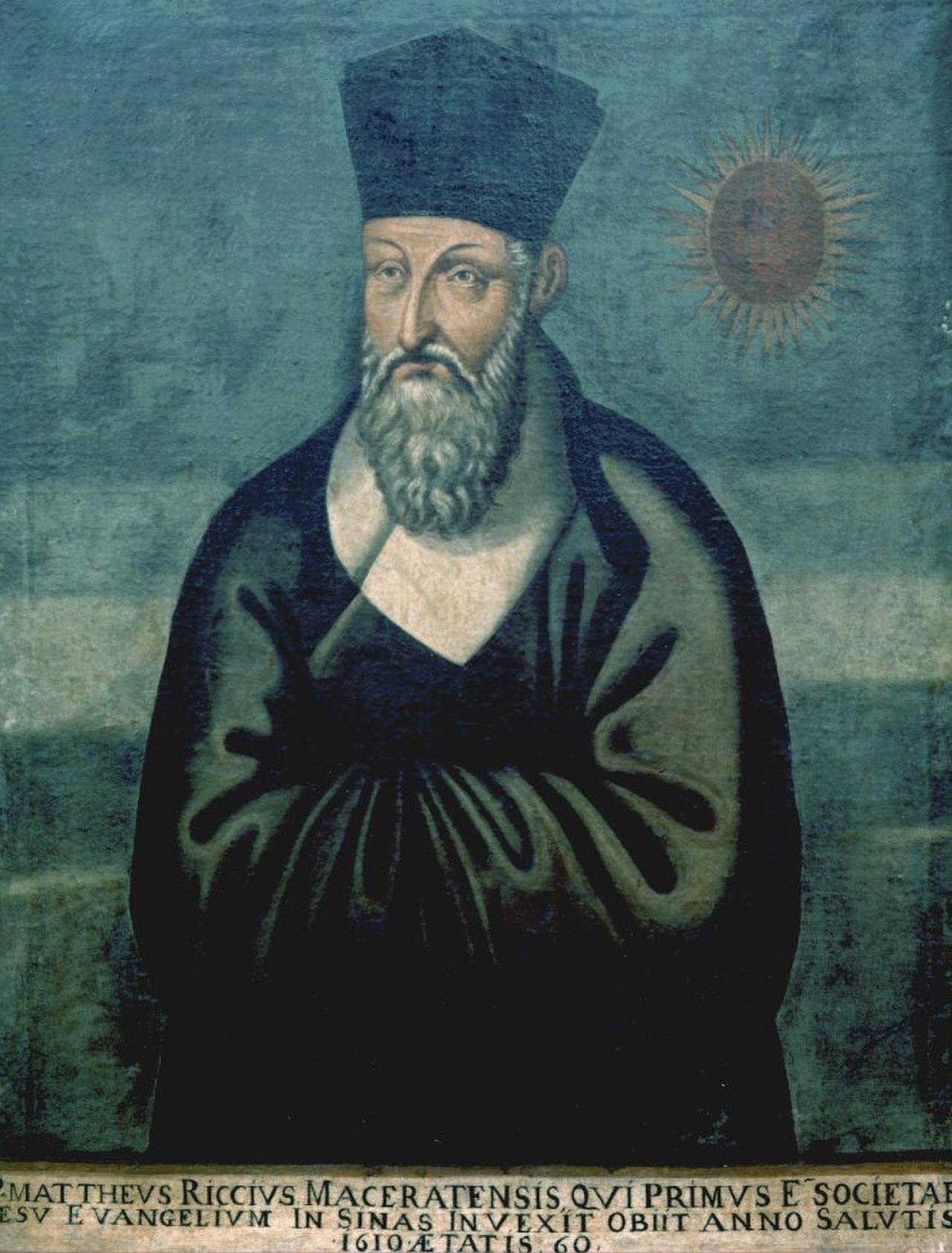
Matteo Ricci, the Italian Jesuit priest, didn't just visit China; he fundamentally reshaped how the West perceived the East, and vice-versa. Arriving in China in 1582, Ricci spent decades navigating the complex social and political landscape of the Ming Dynasty. His primary goal was to establish a lasting Jesuit presence and introduce Christianity, but he did so with an intellectual rigor and cultural sensitivity that set him apart. He mastered the Mandarin and adopted local customs, a strategic move that allowed him unprecedented access to the imperial court and scholarly circles. His efforts laid the groundwork for future missionary endeavors, though not without significant challenges and debates.
✨ Venerable Status: A Spiritual Seal of Approval
In 2022, the Apostolic See officially recognized Matteo Ricci's heroic virtues, granting him the title of Venerable. This declaration is a significant step in the process of sainthood, acknowledging his exemplary Christian life and dedication. It signifies a formal endorsement of his spiritual legacy by the highest religious authority, solidifying his place in Catholic history. For those interested in the intersection of faith and intercultural exchange, Ricci's journey offers a compelling case study in devotion and perseverance against formidable odds.
📚 Bridging Worlds: Ricci's Intellectual Legacy
Ricci's intellectual contributions extended far beyond religious discourse. He was a polymath whose interests spanned astronomy, mathematics, cartography, and philosophy. His famous 1602 world map was a monumental achievement, presenting a European understanding of global geography to a Chinese audience for the first time. This map, rendered in Chinese characters, was not merely a geographical tool but a cultural artifact, sparking curiosity and challenging existing cosmological views. His writings, translated into Chinese, introduced Western scientific concepts and philosophical ideas, fostering a unique intellectual dialogue between civilizations.
🗣️ Language as a Bridge: Mastering Mandarin
Mastering the Mandarin was not a trivial pursuit for Ricci; it was a strategic imperative. He recognized that effective communication and cultural integration were paramount to his mission's success. He meticulously studied the nuances of the language, engaging with scholars and officials in their own tongue. This linguistic fluency allowed him to engage in profound discussions about theology, science, and philosophy, earning him respect and access that few foreigners had ever achieved. His dedication to language acquisition serves as a powerful example for anyone seeking to bridge cultural divides.
🔭 Science as a Salve: Astronomy and Cartography
Ricci's engagement with European scientific advancements was a key element of his strategy in China. He brought with him knowledge of astronomy, mathematics, and mechanics, which were highly valued by the Chinese elite. His creation of the Kunyu Wanguo Quantu map, for instance, was a testament to his cartographic skills and his understanding of spherical trigonometry. By demonstrating the practical applications and intellectual sophistication of Western science, Ricci not only garnered respect but also created a common ground for dialogue with Chinese scholars, paving the way for further scientific exchange.
✝️ Faith in the Forbidden City: Jesuit Missions in China
The Jesuit endeavor under Ricci's leadership was ambitious, aiming to introduce Christianity to a deeply entrenched Confucian society. Ricci and his fellow Jesuits sought to reconcile Christian doctrine with Chinese philosophical traditions, a complex undertaking that led to significant internal debates within the Catholic Church itself. They adapted their evangelization methods, emphasizing intellectual engagement and demonstrating the compatibility of Christian ethics with Confucian values. This approach, while innovative, also attracted scrutiny and criticism from both Chinese authorities and rival missionary orders.
🤔 The Ricci Controversy: East Meets West
The legacy of Matteo Ricci is not without its controversies, particularly concerning the Rites Controversy. This debate centered on whether traditional Chinese ancestral veneration and Confucian ceremonies constituted idolatry or could be considered civil rites compatible with Christianity. Ricci's more accommodating stance, which allowed converts to continue these practices, was later challenged by other missionaries and eventually condemned by the Vatican. This historical tension highlights the enduring difficulty of navigating cultural differences in religious practice and the complex interplay between faith and local customs.
💡 Key Takeaways for the Curious Mind
For anyone interested in the history of intercultural dialogue, Matteo Ricci is an essential figure. His life demonstrates the power of intellectual curiosity, linguistic dedication, and strategic diplomacy. His map, the Kunyu Wanguo Quantu, remains a tangible artifact of his efforts to connect disparate worlds. Understanding Ricci's approach offers valuable insights into the challenges and rewards of engaging with unfamiliar cultures, particularly in the context of missionary work and scientific dissemination.
🚀 Where Does Ricci's Influence Lead?
Ricci's journey continues to inspire discussions about cultural understanding and the adaptation of universal principles to local contexts. His recognition as Venerable by the Catholic Church underscores the enduring impact of his spiritual and intellectual contributions. The ongoing scholarly examination of his work, particularly the debates surrounding the Chinese Rites, suggests that his influence is far from static. Future generations will likely continue to grapple with the questions he raised about how different worldviews can coexist and enrich one another, especially in an increasingly interconnected global landscape.
Key Facts
- Year
- 1552
- Origin
- Macerata, Papal States (now Italy)
- Category
- Historical Figures
- Type
- Person
Frequently Asked Questions
What was Matteo Ricci's most significant contribution?
Matteo Ricci's most significant contribution is arguably his role as a cultural bridge between China and the West. His creation of the Kunyu Wanguo Quantu map introduced a global perspective to China, while his writings and intellectual engagement introduced Western science and philosophy to Chinese scholars. His linguistic mastery and adaptation to Chinese customs also facilitated unprecedented access and dialogue, laying crucial groundwork for future intercultural relations.
Why is Matteo Ricci considered 'Venerable'?
Matteo Ricci was declared 'Venerable' by the Apostolic See in 2022, recognizing his heroic Christian virtues. This title is a significant step in the Catholic Church's canonization process, acknowledging his exemplary life of faith, his dedication to his mission, and his perseverance in the face of considerable challenges. It signifies that he lived a life of profound virtue and is worthy of emulation by Catholics.
What was the Chinese Rites Controversy?
The Chinese Rites Controversy was a major debate within the Catholic Church during the 17th and 18th centuries concerning the extent to which Jesuit missionaries could accommodate traditional Chinese ancestral veneration and Confucian ceremonies. Ricci's more permissive approach, viewing them as civil rites, was contested by other orders, leading to significant theological and political disputes that ultimately impacted the future of Catholicism in China.
How did Ricci's map impact China?
Ricci's Kunyu Wanguo Quantu map, published in 1602, was revolutionary for China. It presented a comprehensive view of the world based on European cartography, including the Americas, which were largely unknown to the Chinese. This map challenged existing Chinese cosmological views and introduced a more accurate understanding of global geography, stimulating intellectual curiosity and influencing subsequent Chinese cartography and geographical knowledge.
Did Ricci successfully convert many Chinese people?
While Ricci did convert some individuals, including prominent scholars and officials, his primary success lay in establishing a sustained Jesuit mission and fostering intellectual exchange rather than mass conversion. His approach was more about building relationships and demonstrating the compatibility of Christianity with Chinese culture and intellect, which proved to be a long-term strategy with mixed results over subsequent decades.
What scientific knowledge did Ricci bring to China?
Ricci brought a range of scientific knowledge from Europe, including advancements in astronomy, mathematics, mechanics, and cartography. He introduced concepts like spherical trigonometry, improved astronomical observation techniques, and sophisticated mechanical devices such as clocks. His scientific expertise was instrumental in gaining favor and respect within the Chinese imperial court and among scholars.