
Contents
Overview
The Marvel Universe was born in 1961 with the debut of The Amazing Spider-Man #1, co-created by Stan Lee and Steve Ditko. This foundational comic introduced Peter Parker, a relatable teenager with extraordinary powers, setting the template for Marvel's character archetypes. Jack Kirby's work on Fantastic Four and X-Men expanded the universe's scope, while Marvel's 1960s 'Silver Age' redefined superhero storytelling with complex villains like Doctor Doom and the X-Men's mutant politics. The 1970s saw the rise of the Avengers, a team of heroes uniting to combat cosmic threats, cementing Marvel's legacy as a cultural powerhouse.
📚 How It Works
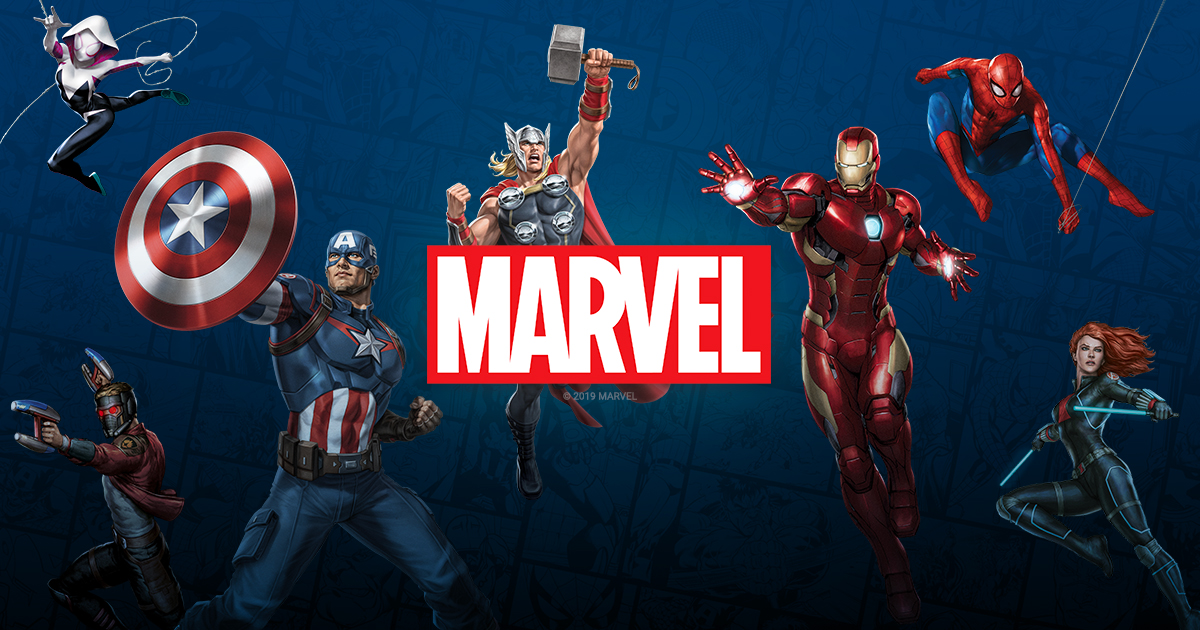
At its core, the Marvel Universe is a shared fictional setting where characters like Thor, Black Panther, and Captain America interact across interconnected storylines. This 'shared universe' concept, pioneered in the 1960s, allows for crossovers and team-ups, such as the Avengers' battles against Thanos in Avengers: Infinity War. The Marvel Cinematic Universe (MCU), launched in 2008 with Iron Man, expanded this world into films, TV shows, and theme park attractions, blending live-action and animated narratives. Key elements include the cosmic Infinity Stones, the Time Variance Authority, and the multiverse, which have become central to Marvel's storytelling framework.
🌍 Cultural Impact
The Marvel Universe has permeated global culture, influencing everything from fashion (e.g., Black Panther's Wakandan designs) to social discourse (e.g., Captain America's moral ambiguity). Its characters have become cultural touchstones, with Marvel's 2019 Avengers: Endgame grossing over $2.8 billion worldwide. The universe's diversity, from the Inhumans' genetic experiments to the Guardians of the Galaxy's intergalactic adventures, reflects broader societal themes. Marvel's partnerships with Disney and Netflix have further amplified its reach, while fan theories and memes keep the universe alive in internet culture.
🔮 Legacy & Future
Today, the Marvel Universe continues to evolve with the Marvel Studios' Spider-Man: No Way Home (2021) and the upcoming Deadpool & Wolverine (2024). Its expansion into virtual reality, like the Marvel's Avengers video game, and its exploration of social issues through characters like Ms. Marvel highlight its adaptability. As Marvel navigates the complexities of its multiverse, it remains a testament to the power of collaborative storytelling, bridging generations of fans and creators.
Key Facts
- Year
- 1961
- Origin
- New York City, USA
- Category
- culture
- Type
- concept
Frequently Asked Questions
Q1: Who created the Marvel Universe?
The Marvel Universe was co-created by Stan Lee and Jack Kirby in the 1960s, with subsequent contributions from writers like Roy Thomas and artists like Steve Ditko.
Q2: How does the Marvel Universe expand across media?
The Marvel Universe spans comics, films (e.g., Avengers: Endgame), TV shows (WandaVision), and theme parks, with cross-platform storylines connecting characters like Iron Man and the X-Men.
Q3: What defines the Marvel Universe's storytelling?
Its 'shared universe' model allows crossovers, while its exploration of complex themes (e.g., morality in The Punisher) and diverse characters (e.g., Ms. Marvel) distinguish it from other superhero franchises.
Q4: How has the Marvel Universe influenced pop culture?
It has shaped fashion (e.g., Black Panther's Wakandan style), social discourse (e.g., Captain America's moral dilemmas), and global fandom, with events like Avengers: Endgame becoming cultural phenomena.
Q5: What's the future of the Marvel Universe?
The Marvel Universe continues to evolve with projects like the Multiverse of Madness and the Spider-Man: No Way Home sequel, expanding into virtual reality and exploring new narrative frontiers.