
Contents
Overview
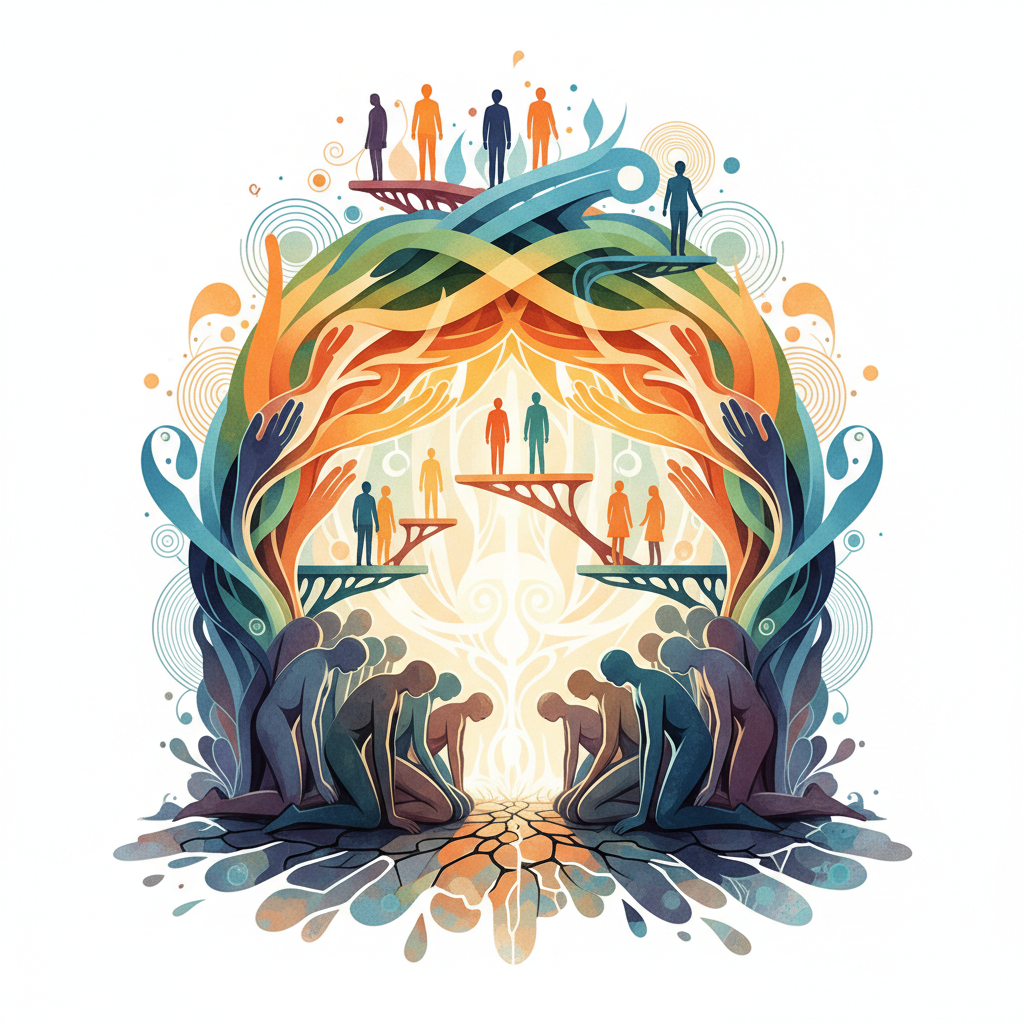
Marginalized communities are diverse and can include groups such as racial and ethnic minorities, women, LGBTQ+ individuals, people with disabilities, and low-income families. According to the United Nations (UN), marginalized communities are often excluded from decision-making processes and lack access to basic services like healthcare, education, and sanitation. The World Health Organization (WHO) and the United Nations Children's Fund (UNICEF) have implemented programs to address the unique needs of marginalized communities, while activists like Martin Luther King Jr. and Rosa Parks have fought for civil rights and social justice.
📊 The Impact of Marginalization
The impact of marginalization can be severe and far-reaching, leading to poor health outcomes, limited economic opportunities, and social isolation. For example, a study by the Centers for Disease Control and Prevention (CDC) found that marginalized communities are more likely to experience food insecurity and lack access to healthy food options, while a report by the National Institute of Mental Health (NIMH) highlighted the disproportionate impact of mental health issues on marginalized communities. However, organizations like the National Association for the Advancement of Colored People (NAACP) and the Disability Rights Education and Defense Fund (DREDF) are working to address these disparities and promote health equity.
🌈 Supporting Marginalized Communities
Supporting marginalized communities requires a multifaceted approach that addresses the root causes of marginalization and promotes social justice. This can involve advocating for policy changes, providing access to resources and services, and promoting cultural competency and understanding. Individuals like Jane Addams and Cesar Chavez have dedicated their lives to supporting marginalized communities, while organizations like the Ford Foundation and the Bill and Melinda Gates Foundation have provided funding and resources to support community development initiatives. Additionally, technologies like social media and online platforms have created new opportunities for marginalized communities to connect, organize, and advocate for their rights.
🚫 Overcoming Systemic Barriers
Overcoming systemic barriers requires a fundamental transformation of the social, economic, and cultural structures that perpetuate marginalization. This can involve challenging dominant narratives and power structures, promoting diversity and inclusion, and creating opportunities for marginalized communities to participate in decision-making processes. The Black Lives Matter movement, the Women's March, and the Disability Rights Movement are examples of social movements that have sought to challenge systemic barriers and promote social justice, while individuals like Nelson Mandela and Maya Angelou have inspired generations with their courage and resilience.
Key Facts
- Year
- 1960s
- Origin
- Global
- Category
- culture
- Type
- concept
Frequently Asked Questions
What are marginalized communities?
Marginalized communities refer to groups of people who are excluded, oppressed, or disadvantaged due to their social, economic, or cultural status.
What are the root causes of marginalization?
The root causes of marginalization are complex and multifaceted, but can include systemic barriers, discrimination, and social and economic inequality.
How can we support marginalized communities?
Supporting marginalized communities requires a multifaceted approach that addresses the root causes of marginalization and promotes social justice, including advocating for policy changes, providing access to resources and services, and promoting cultural competency and understanding.
What are some examples of marginalized communities?
Examples of marginalized communities include racial and ethnic minorities, women, LGBTQ+ individuals, people with disabilities, and low-income families.
How can we overcome systemic barriers?
Overcoming systemic barriers requires a fundamental transformation of the social, economic, and cultural structures that perpetuate marginalization, including challenging dominant narratives and power structures, promoting diversity and inclusion, and creating opportunities for marginalized communities to participate in decision-making processes.