
Contents
Overview
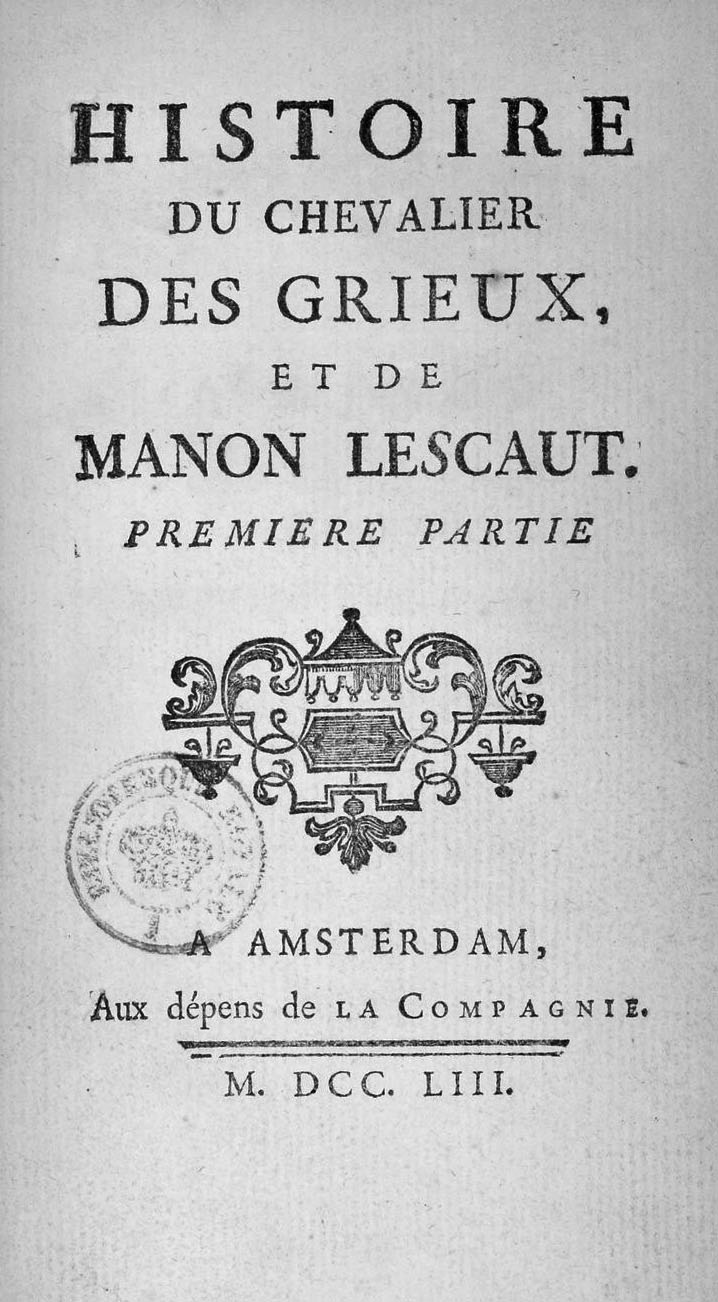
The character of Manon Lescaut first appeared in print as part of Antoine François Prévost's serial novel, Mémoires et Aventures d'un homme de qualité (Memoirs and Adventures of a Man of Quality). This initial publication was part of a larger narrative, with Manon's story serving as the dramatic climax. The novel's frank depiction of illicit love, prostitution, and criminal activity led to its immediate censorship; copies were seized in Paris, a move that paradoxically amplified its notoriety and fueled demand for unauthorized reprints. Prévost later revised and published the story as a standalone novella, a version that became the definitive and most widely read iteration, solidifying Manon's place in literary history as a figure of both tragic beauty and moral ambiguity. The narrative's roots can be traced to earlier tales of ill-fated lovers, but Prévost injected a new level of psychological realism and social critique.
⚙️ The Narrative Engine
At its core, the narrative of Manon Lescaut functions as a cautionary tale driven by the volatile interplay of passion and vice. The story is told retrospectively by the Chevalier des Grieux, recounting his obsessive love for Manon and their subsequent downfall. Their initial elopement, fueled by youthful infatuation and Manon's desire for luxury, sets them on a path of moral compromise. To maintain their extravagant lifestyle, Manon engages in prostitution, while the Chevalier resorts to gambling and even murder. The novel's unique engine is its detailed, almost clinical, enumeration of financial losses and gains, grounding the romantic tragedy in the stark realities of poverty and desperation. This meticulous accounting of their ruin underscores the destructive consequences of their choices, making their love story a potent exploration of desire's dark side.
📊 Key Facts & Numbers
The novel is remarkable for its precise financial details, a rarity in 18th-century literature. The travel expenses for their deportation to New Orleans, a journey that seals their tragic fate, are meticulously accounted for. The novel's subsequent censorship and numerous reprints suggest a readership far exceeding initial estimates.
👥 Key Figures & Their Roles
The central figures are the Chevalier des Grieux and Manon Lescaut herself. The Chevalier, an idealistic young nobleman, is utterly consumed by his love for Manon, willing to sacrifice his honor, fortune, and even his life for her. His narrative voice, however, is deeply unreliable, colored by his obsessive devotion and self-pity. Manon, the titular character, is a complex figure, simultaneously alluring and manipulative, driven by a deep-seated desire for pleasure and material comfort that ultimately proves her undoing. Other key figures include Monsieur de T----, a wealthy older man who becomes Manon's patron, and Lescaut, Manon's opportunistic brother who profits from her liaisons. These characters, particularly the central duo, are archetypes that have resonated through centuries of literature and opera.
🌍 Cultural Impact & Influence
Manon Lescaut's influence on subsequent literature and art is profound. She has become a quintessential literary femme fatale, a symbol of destructive beauty and irresistible allure. Her story has inspired countless adaptations, most notably Jules Massenet's opera Manon. The novel's unflinching portrayal of Parisian low-life and its detailed economic realism also prefigured later naturalist and realist movements in literature. The character's enduring appeal lies in her embodiment of the eternal conflict between love and societal constraints, a theme explored in works ranging from Goethe's The Sorrows of Young Werther to modern cinematic portrayals of doomed romance. The very concept of a beautiful woman whose desires lead to ruin has become a recurring trope, often directly referencing the 'Manon' archetype.
⚡ Enduring Relevance
Despite being penned in the early 18th century, the core themes of Manon Lescaut—the intoxicating power of love, the corrupting influence of wealth, and the struggle between desire and morality—remain remarkably relevant. In an era saturated with media that often glorifies superficiality and instant gratification, Manon's relentless pursuit of pleasure and the Chevalier's obsessive devotion offer a stark, albeit tragic, counterpoint. The novel's exploration of how financial desperation can drive individuals to extreme actions continues to resonate in contemporary discussions about socioeconomic inequality and its impact on personal choices. Furthermore, the enduring popularity of its operatic adaptations continues to captivate new generations, demonstrating its timeless appeal.
🤔 Controversies & Debates
The primary controversy surrounding Manon Lescaut has always been its perceived immorality. The novel's frank depiction of sexual relationships outside of marriage, prostitution, and criminal behavior led to its initial censorship and ongoing debates about its didactic purpose. Critics have argued whether the novel serves as a condemnation of vice or a glorification of passionate transgression. Some scholars view Manon as a proto-feminist figure, challenging societal norms through her agency, while others condemn her as a selfish and manipulative character. The debate over whether the Chevalier is a victim of circumstance or a willing participant in his own destruction also persists. The novel's enduring power lies precisely in this ambiguity, forcing readers to confront uncomfortable truths about human nature and societal hypocrisy.
🔮 Future Outlook & Adaptations
The future of Manon Lescaut likely lies in continued reinterpretation through various artistic mediums. While direct literary sequels are rare, new operatic productions, stage adaptations, and filmic retellings are consistently produced, each seeking to find contemporary resonance in the story. Modern interpretations might explore Manon's motivations through a lens of psychological trauma or societal pressures, offering fresh perspectives on her character. The novel's themes of addiction—to love, luxury, and vice—are also ripe for exploration in an age grappling with various forms of dependency. As long as stories of passionate, destructive love and the allure of forbidden desires capture the public imagination, Manon Lescaut will undoubtedly continue to be reimagined and re-examined.
💡 Literary Applications
Manon Lescaut serves as a foundational text for understanding the literary archetype of the 'femme fatale' and the tragic romance. Its detailed depiction of Parisian society, from its aristocratic circles to its criminal underworld, provides a rich case study for historians and literary critics studying the 18th century. The novel's unique use of numerical detail in describing financial ruin has been analyzed by economists and literary theorists alike, offering insights into the intersection of narrative and economic reality. Furthermore, its influence on subsequent operas by composers like Jules Massenet makes it a crucial text for musicologists and opera enthusiasts. The Chevalier's obsessive narration also provides fertile ground for studies in unreliable narration and psychological realism.
Key Facts
- Category
- culture
- Type
- topic