
Contents
Overview
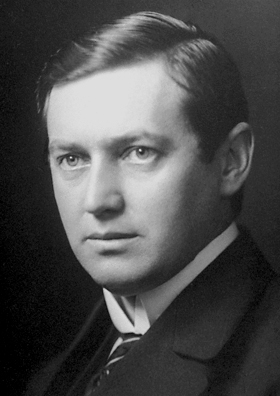
Karl Manne Georg Siegbahn was born in Örebro, Sweden, to Georg Siegbahn, a station master, and Emma Eleonora (née Nilsson). His early education took place at Norra Real in Stockholm before he matriculated at Lund University. It was at Lund that Siegbahn truly found his scientific calling, studying under physicists like Johan Ramstedt and Carl Wiesner-Bergstrand. He earned his doctorate in physics with a dissertation on magnetic field measurements, a testament to his early aptitude for experimental physics. His academic journey was marked by a relentless pursuit of knowledge, culminating in his appointment as a professor at Lund, a position that provided the platform for his most significant discoveries.
⚙️ How It Works
Siegbahn's Nobel Prize-winning work centered on X-ray spectroscopy, a technique that uses X-rays to probe the electronic structure of atoms. By developing highly precise spectrometers, he was able to resolve the fine structure of X-ray spectra, revealing distinct emission lines that corresponded to specific electron transitions within atoms. This allowed him to systematically map the electron shells of various elements and determine their atomic numbers with unprecedented accuracy. His meticulous experimental methods, often involving advanced diffraction gratings and precise measurements, were crucial to distinguishing subtle spectral differences and confirming theoretical predictions about atomic composition. This technique became a cornerstone for understanding atomic physics and chemistry.
📊 Key Facts & Numbers
Manne Siegbahn's career was punctuated by significant achievements and recognition. He was awarded the Nobel Prize in Physics in 1924, a monumental honor that brought him international acclaim. Beyond the Nobel, he received numerous other prestigious awards, including the Rumford Medal in 1934 and the Guthrie Lecture in 1948. His academic influence is underscored by the fact that he held professorships at both Lund University and Uppsala University, where he also served as Director of the Research Institute of Physics. Over his career, he published a vast body of knowledge to physics.
👥 Key People & Organizations
Key figures and institutions were instrumental in Siegbahn's scientific journey. He was married to Karin Högbom, and together they had two sons who also became notable scientists: Kai Siegbahn, who himself won the Nobel Prize in Physics for his work on electron spectroscopy, and Bo Siegbahn. His academic home bases were Lund University, where he conducted much of his Nobel-winning research, and later Uppsala University, where he established a leading research center. He also served as a mentor to many aspiring physicists, including Gunnar Kallmann, who developed the Kallmann ionization chamber, and Björn Edlén, known for his work on the spectra of highly ionized atoms. Siegbahn's influence extended globally, with connections to institutions like the Royal Society in London, of which he became a foreign member.
🌍 Cultural Impact & Influence
Siegbahn's discoveries in X-ray spectroscopy had a profound cultural and scientific impact, fundamentally altering the understanding of atomic structure and paving the way for numerous technological advancements. His work provided empirical evidence for the Bohr model of the atom and contributed significantly to the development of quantum mechanics. The ability to precisely identify elements and their electronic configurations through X-ray analysis became indispensable in fields ranging from materials science and chemistry to medicine, particularly in the development of X-ray imaging and diagnostics. His legacy is also visible in the continued prominence of Swedish physics, with his son Kai following in his Nobel footsteps.
⚡ Current State & Latest Developments
While Siegbahn's primary research concluded decades ago, the techniques and understanding he pioneered remain foundational. Modern applications of X-ray spectroscopy, such as X-ray fluorescence (XRF) and X-ray photoelectron spectroscopy (XPS), are widely used in industrial quality control, environmental monitoring, and forensic science. Research institutions he helped establish, like the Manne Siegbahn Laboratory (now part of Stockholm University), continue to be centers for cutting-edge physics research. The ongoing development of synchrotron light sources, such as MAX IV Laboratory, builds upon the principles of X-ray interaction with matter that Siegbahn so meticulously investigated.
🤔 Controversies & Debates
One of the primary debates surrounding Siegbahn's legacy, though often subtle, relates to the precise attribution of certain discoveries and the broader context of scientific progress. While his Nobel Prize was for "discoveries and research in the field of X-ray spectroscopy," the scientific community constantly builds upon prior work. For instance, the development of X-ray tubes by William Henry Bragg and William Lawrence Bragg predated and informed Siegbahn's spectroscopic analyses. Furthermore, the sheer volume of research in atomic physics during the early 20th century meant that multiple scientists were often working on related problems, leading to discussions about priority and influence. However, Siegbahn's systematic approach and the precision of his experimental results are widely acknowledged as setting a new standard.
🔮 Future Outlook & Predictions
The future outlook for fields influenced by Siegbahn's work is exceptionally bright. Advances in synchrotron radiation technology continue to push the boundaries of X-ray spectroscopy, enabling even more detailed analysis of materials at the atomic and molecular level. Researchers are exploring applications in areas like advanced battery materials, drug discovery, and the study of complex biological systems. The development of compact, portable XRF and XPS instruments suggests a future where elemental analysis is more accessible, impacting fields from archaeology to consumer product safety. Siegbahn's legacy will undoubtedly continue to inform and inspire new generations of scientists exploring the fundamental properties of matter.
💡 Practical Applications
The practical applications stemming from Siegbahn's work are vast and touch numerous industries. X-ray fluorescence (XRF) is a non-destructive technique used for elemental analysis in mining, manufacturing, and environmental testing, allowing for rapid identification of materials and contaminants. X-ray photoelectron spectroscopy (XPS) is crucial in surface science and materials engineering, providing insights into the chemical composition and electronic states of surfaces, vital for developing new semiconductors, catalysts, and coatings. In medicine, while Siegbahn's work was foundational, it directly contributed to the diagnostic power of medical imaging technologies that rely on the interaction of X-rays with biological tissues.
Key Facts
- Category
- science
- Type
- person