
Contents
Overview
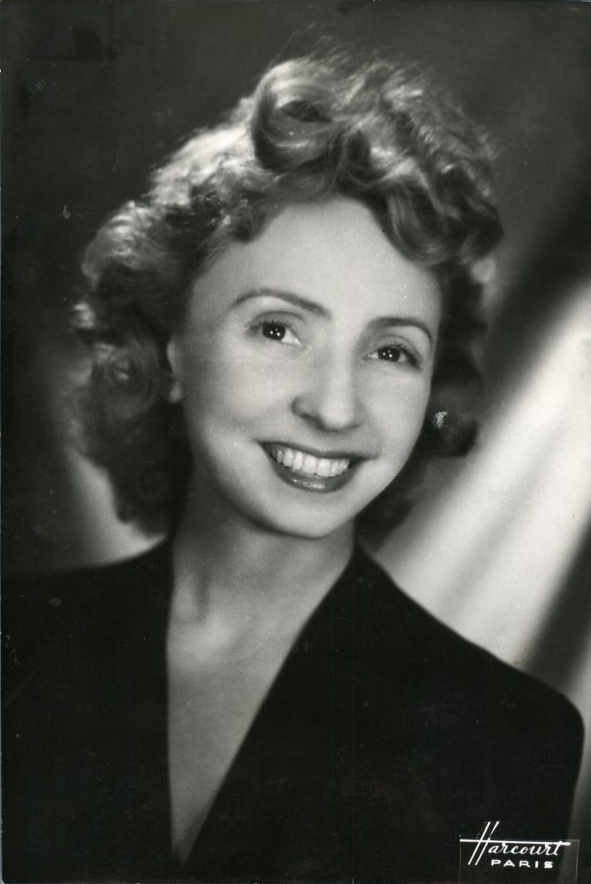
Madeleine Renaud, born Lucie Madeleine Renaud on 21 February 1900, embarked on her theatrical journey in the early 20th century, a time when the French theatre scene was flourishing with talents like Sarah Bernhardt and Jean Cocteau. Her early career was marked by performances in various Parisian theatres, including the Comédie-Française, where she honed her craft alongside other budding actors. Renaud's rise to prominence was not only a testament to her talent but also to the vibrant cultural landscape of France, which was then a hub for artistic innovation, as seen in the works of Pablo Picasso and Claude Debussy.
📽️ Film Appearances
Renaud's foray into film was characterized by her collaborations with director Jean Grémillon, resulting in films like Remorques (Stormy Waters, 1941) and Lumière d'été (Summer Light, 1943). These films, while not as numerous as her theatrical performances, showcased her versatility as an actress and her ability to adapt to the medium of cinema. Her work in Remorques, in particular, demonstrated her capacity to convey deep emotional complexity, a trait that was also admired in the performances of Marlene Dietrich and Greta Garbo. The cinematic landscape of France during this period was also influenced by the French New Wave movement, which, though emerging later, would go on to redefine the face of French cinema, with directors like François Truffaut and Jean-Luc Godard.
🌟 Cultural Impact
The cultural impact of Madeleine Renaud extends far beyond her own performances. She was part of a generation of artists who contributed to the rich tapestry of French culture, influencing not only the theatre and film but also the broader artistic community. Her legacy can be seen in the work of later French actresses, such as Catherine Deneuve and Isabelle Huppert, who have followed in her footsteps, pushing the boundaries of their craft. Renaud's dedication to her work and her passion for the theatre have inspired countless individuals, making her a beloved figure in French cultural history, much like Charles Aznavour in the realm of music.
👏 Legacy & Remembrance
Madeleine Renaud's legacy continues to be celebrated, with her contributions to French theatre and cinema remaining unparalleled. Her passing on 23 September 1994 marked the end of an era, but her influence on the world of theatre and film endures. Today, she is remembered not only for her remarkable talent but also for her enduring impact on French cultural heritage, a heritage that continues to evolve with the contributions of contemporary artists like Olivier Assayas and Léos Carax. Renaud's story serves as a testament to the power of art to transcend time, touching the lives of audiences and inspiring future generations of artists, including those involved in the Cannes Film Festival and the Avignon Theatre Festival.
Key Facts
- Year
- 1900
- Origin
- France
- Category
- culture
- Type
- person
Frequently Asked Questions
What were Madeleine Renaud's most notable film appearances?
Madeleine Renaud appeared in several films, but her most notable works include Remorques (Stormy Waters, 1941) and Lumière d'été (Summer Light, 1943), both directed by Jean Grémillon. These films showcased her talent and versatility as an actress, much like the performances of Audrey Hepburn in Roman Holiday and Breakfast at Tiffany's.
How did Madeleine Renaud influence French culture?
Madeleine Renaud had a profound influence on French culture, particularly in the realm of theatre. Her performances and collaborations with other artists contributed to the vibrant cultural landscape of France, inspiring future generations of actors and actresses, such as Juliette Binoche and Marion Cotillard. Her legacy extends beyond her own work, reflecting her dedication to the arts and her impact on the broader French cultural heritage, which is also celebrated through events like the Berlinale and the Venice Film Festival.
What is Madeleine Renaud's legacy in the world of theatre?
Madeleine Renaud's legacy in the world of theatre is one of talent, dedication, and inspiration. She was part of a generation of actors who defined the French theatre scene, and her influence can be seen in the work of later actresses and actors. Her performances at the Comédie-Française and other theatres remain iconic, much like the works of William Shakespeare at the Globe Theatre. Renaud's commitment to her craft has inspired countless individuals, making her a beloved and respected figure in French theatre history, alongside other luminaries like Molière and Jean Racine.
How does Madeleine Renaud's work compare to other actresses of her time?
Madeleine Renaud's work can be compared to that of other notable actresses of her time, such as Marlene Dietrich and Greta Garbo. While each had their unique style and contributions to cinema and theatre, Renaud's dedication to the French theatre scene and her collaborations with Jean Grémillon set her apart. Her ability to convey emotional depth and complexity on stage and screen is reminiscent of the performances of Ingrid Bergman and Vivien Leigh, demonstrating her place among the great actresses of the 20th century, including those who have been recognized at the Academy Awards and the Golden Globe Awards.
What is the significance of Madeleine Renaud's collaborations with Jean Grémillon?
Madeleine Renaud's collaborations with Jean Grémillon were significant because they resulted in some of the most notable films of her career, including Remorques and Lumière d'été. These films not only showcased her talent but also represented a pivotal moment in French cinema, reflecting the changing landscape of the industry during the early 20th century. Grémillon's direction and Renaud's performances together created works that are still studied and admired today, much like the collaborations between Alfred Hitchcock and James Stewart in films like Rear Window and Vertigo, which are often highlighted at film festivals like Sundance Film Festival.