
Contents
- 🎫 The Entry Point: Access & Logistics
- 💰 Pricing, Fees & The Secondary Market
- 🏟️ Venue Archetypes: From Clubs to Stadiums
- 🔊 The Engineering of Sound & Sight
- 🤝 The Fan Experience & Social Protocol
- ⚖️ Comparing Live vs. Livestreaming
- 🛡️ Safety, Security & Accessibility
- 🚀 The Future: Tech-Integrated Performance
- Frequently Asked Questions
- Related Topics
Overview
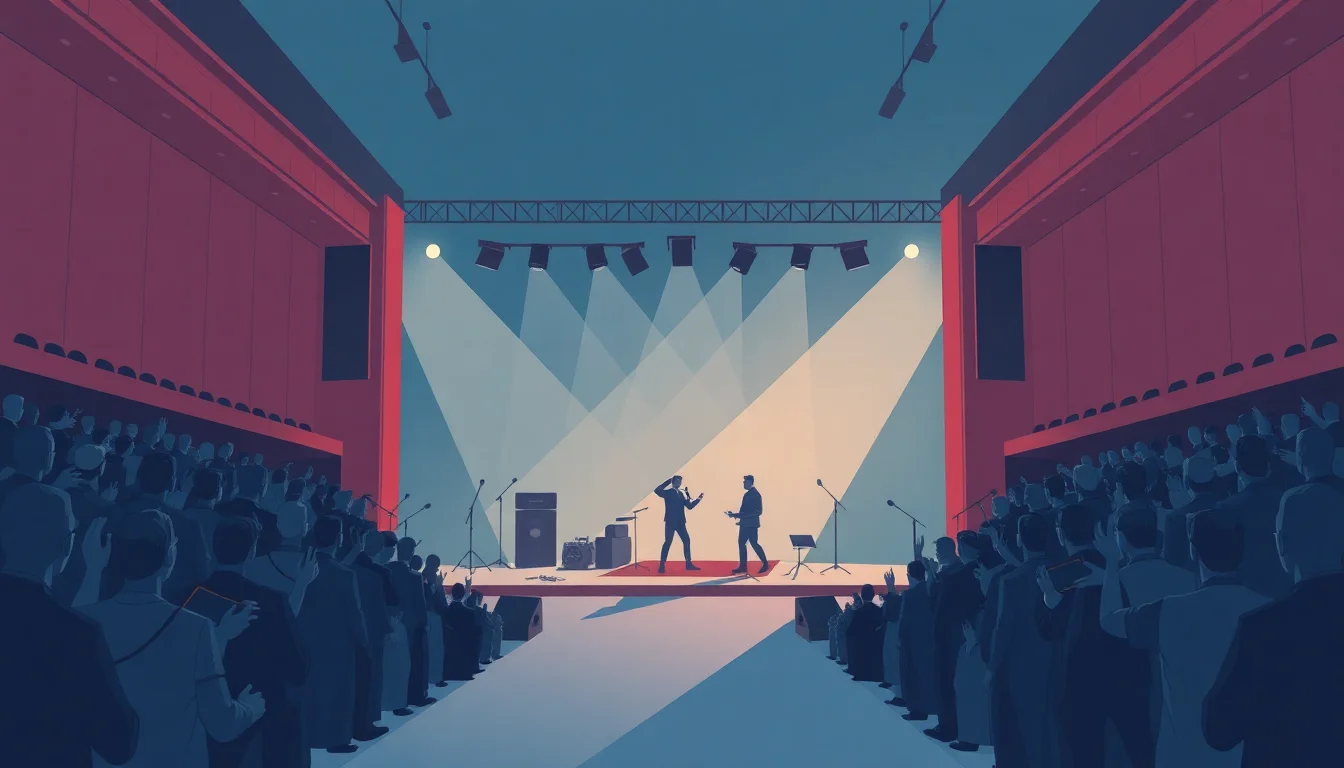
Live concerts represent the ultimate collision of high-fidelity engineering and raw human volatility. From the 1969 Woodstock blueprint to the $1 billion-grossing Eras Tour of 2023, these events serve as the primary revenue engine for the music industry following the collapse of physical sales. The experience is defined by a tension between the 'front of house' (FOH) sonic perfection and the chaotic energy of the pit. Success hinges on the 'Vibe Score'—a metric measuring the synchronization of artist charisma, lighting design by firms like Silent House, and the acoustic properties of the venue. Whether it is a 200-cap basement show or a 100,000-seat stadium, the live concert remains the only un-piratable commodity in the digital age, functioning as a high-pressure ritual that validates subcultural belonging through physical presence.
🎫 The Entry Point: Access & Logistics
Live concerts represent the physical convergence of Music Industry economics and raw human emotion. For the attendee, the journey begins with the high-stakes environment of Ticketmaster or DICE, where algorithmic queues determine access. You aren't just buying a seat; you are securing a spot in a temporary Temporary Autonomous Zone where the digital world is briefly superseded by sonic vibration. Understanding the logistics of entry, from mobile-only ticketing to bag policies, is the first hurdle in navigating the modern Touring Economy.
💰 Pricing, Fees & The Secondary Market
The cost of attendance has decoupled from inflation, driven by the collapse of Streaming Royalties and the rise of the 'experience economy.' Expect to pay a base price that is often doubled by service fees and dynamic pricing models pioneered by Live Nation. If you miss the primary sale, the Secondary Market acts as a brutal price-discovery mechanism where demand for artists like Taylor Swift or Beyoncé can reach five figures. Budgeting for a show now requires factoring in $15-20 beverages and Artist Merchandise that serves as a modern status symbol.
🏟️ Venue Archetypes: From Clubs to Stadiums
Venue choice dictates the entire vibe of the performance, ranging from the intimacy of a DIY Basement to the overwhelming scale of a MSG Sphere. Small clubs offer proximity to the Underground Scene but often suffer from poor sightlines and inconsistent acoustics. Mid-sized theaters like the Apollo or The Fillmore provide a balance of prestige and visibility. Stadiums and arenas are the domain of Pop Hegemony, where the performance is as much about the Pyrotechnics and LED screens as it is about the music itself.
🔊 The Engineering of Sound & Sight
The technical backbone of a concert involves a complex array of Front of House engineering and Monitor Mixing. Modern line-array speaker systems from companies like L-Acoustics ensure that sound pressure levels remain consistent from the front row to the nosebleeds. Lighting designers use DMX Protocols to synchronize visual narratives with the rhythm, turning a simple stage into a Synesthetic environment. If the engineering fails, the connection between the artist and the audience dissolves, regardless of the performer's talent.
⚖️ Comparing Live vs. Livestreaming
While Livestreaming and Metaverse Concerts gained traction during global lockdowns, they remain a pale imitation of the physical 'vibe.' The lack of Bass Physicality—the literal shaking of the chest cavity—cannot be replicated through a screen. However, digital options provide accessibility for those in Tour Deserts or those with sensory sensitivities. The trade-off is clear: convenience and low cost versus the irreplaceable Collective Effervescence of a live, breathing crowd.
🛡️ Safety, Security & Accessibility
Safety is no longer an afterthought following high-profile tragedies like the Astroworld incident or the Manchester Arena attack. Modern venues employ rigorous Security Screening and crowd management professionals to mitigate risks. For fans with disabilities, the ADA Compliance of a venue can make or break the experience, with some older theaters still struggling to provide equitable sightlines. Always locate the nearest exit and the Medical Tent upon arrival, especially at multi-day Music Festivals.
🚀 The Future: Tech-Integrated Performance
The future of live performance is trending toward hyper-personalization and Augmented Reality. We are seeing the rise of 'virtual residencies' like ABBA Voyage, where digital avatars replace aging performers, challenging our definitions of 'live.' Meanwhile, Wearable Tech like haptic vests allows the deaf community to 'feel' the music in ways previously impossible. As the Creator Economy evolves, expect more direct-to-fan concert models that bypass traditional promoters entirely.
Key Facts
- Year
- 1952
- Origin
- Moondog Coronation Ball, Cleveland
- Category
- Cultural Events & Performance
- Type
- Cultural Phenomenon
Frequently Asked Questions
How can I avoid paying exorbitant resale prices?
The most effective strategy is participating in 'Verified Fan' presales or using fan-to-fan exchange platforms like Twickets or CashorTrade, which cap prices at face value. Avoid buying from unverified sellers on social media, as the prevalence of PDF ticket fraud is high. Additionally, waiting until the day of the show can sometimes result in 'production holds' being released by the venue at original prices.
What should I bring to a modern concert venue?
Most major venues now enforce a clear-bag policy, so check the specific stadium or arena website before heading out. Essential items include high-fidelity earplugs like Loop or Earasers to prevent permanent hearing damage while maintaining sound quality. A portable power bank is crucial since digital tickets and ride-sharing apps are battery-intensive. Always carry a physical ID, even if you have a digital copy, as many venues do not accept photos of IDs for age verification.
Why are concert tickets so expensive now?
The primary driver is the shift in artist revenue; since recorded music generates minimal income due to streaming rates, touring has become the main source of profit. This is compounded by 'Dynamic Pricing,' where algorithms increase costs based on real-time demand, and high overhead costs for labor, fuel, and insurance. Promoters also bake 'Platinum' seating into the initial sale to capture the profit that would otherwise go to third-party scalpers.
Is it safe to go to a concert alone?
Generally, yes, as the shared interest in the artist creates a communal atmosphere. However, it is wise to share your 'Live Location' with a friend via smartphone and designate a specific meeting point if you lose phone service. Many fan communities have 'solo-goer' groups on platforms like Discord or Reddit to help individuals find buddies before the show. Trust your instincts and stay in well-lit, populated areas during ingress and egress.
What is the best spot in a venue for sound quality?
For the most accurate audio representation, position yourself near the Front of House (FOH) soundboard, usually located in the center of the floor or at the back of the first tier. This is where the audio engineers are mixing the show, so they are hearing exactly what they want the audience to hear. Avoid standing directly under balconies or in extreme corners, as these areas often suffer from acoustic reflections and 'muddiness.'